Fishing is more than just a sport. It’s a timeless art, a survival skill, and a peaceful escape from the modern world.
Across the globe, people engage in various fishing styles, each with its own techniques, tools, and objectives. In this detailed guide, we break down the five main types of fishing, offering valuable insight into what makes each one unique and how you can get started.
Whether you're a hobbyist, an adventurer, or a commercial angler, this guide provides everything you need to know.
1. Freshwater Fishing
Freshwater fishing is the most popular type of fishing in the world. It takes place in bodies of freshwater such as lakes, rivers, ponds, and streams. This style is ideal for both beginners and seasoned anglers due to its accessibility and the rich diversity of fish species available.
Key Features of Freshwater Fishing
Common Fish Species: Bass, trout, catfish, perch, and walleye
Popular Locations: Lakes, streams, ponds, reservoirs, rivers,
Whether you're just getting started or you’re a seasoned angler looking to upgrade your setup, having a complete fishing gear list is a necessity. It ensures you're always ready for the water.
Fishing isn't just a hobby, it's an experience that a well-curated gear list can make or break. This guide will walk you through the must-have essentials and offer recommendations from Basin Sports to help you build your ultimate tackle kit.
Rods and Reels: The Backbone of Every Fishing Setup
The basics are a reliable rod and reel. However, your choice will vary depending on your fishing style—whether it’s freshwater, saltwater, kayak, or backpacking trips.
Spinning rods are ideal for beginners and versatile across different species.
Baitcasting rods provide accuracy and power, perfect for bass and salmon.
Fly rods are specialized for fly fishing and differ in weight and action.
You can explore high-quality options like the St. Croix Imperial USA 8'6 4 Piece
Getting into fly fishing is exciting, but it can be confusing at first. There’s a lot of fly fishing gear for beginners out there, giving you that many choices.
For beginners, it's important to start with the right essentials. In this simple guide, we’ll help you understand the basic gear you need, how to choose it, and where to find the best quality without breaking the bank.
Whether you’re planning a freshwater trip or trying saltwater fly fishing, we’ve included practical advice, top product recommendations, and helpful tips from experts. Basin Sports is here to help you gear up and get going.
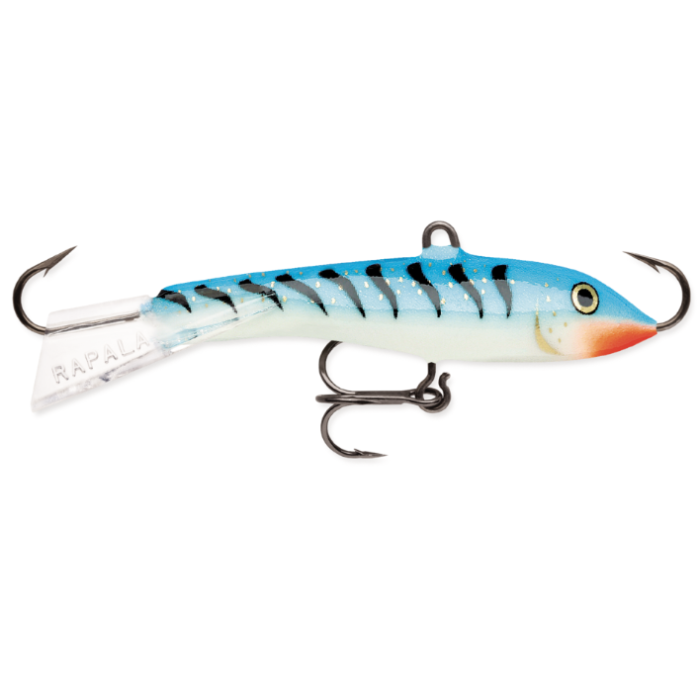
Fishing is a great way to enjoy nature while relaxing. If you want to catch fish, the first thing to know is how to tie your fishing lure correctly.
Learning to tie a fishing lure the right way ensures that your tackle works properly, making fishing more fun and successful. This guide is curated to show you the steps to tie a fishing lure and help you avoid common mistakes.
In addition, we’ll highlight some great lures you can use and why they work well in different fishing conditions. Let’s get started!
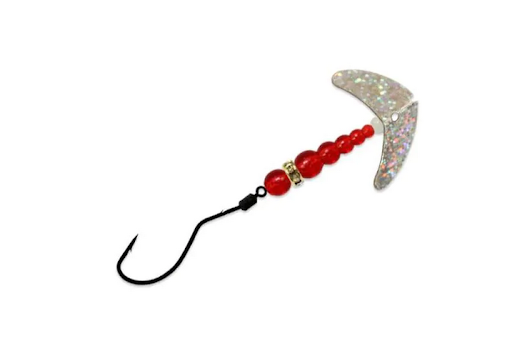
Mack's Lures Spindrift Trout 2 Spinner Lure 63404
Why Tying the Right Knot Matters
Tying the right knot for your fishing lure is key. If the knot is tied wrong, the lure can come off during casting or reeling. Also, it might not move in the water as it should.
Knowing how to tie a fishing lure properly ensures that the tied knot stays tight and the lure performs well, increasing chances of fishing success.
Hunting is a timeless sport that is enjoyed by many. This sport requires precision, preparation, and the correct gear. For a successful hunt, both the skills and quality of the gear matter. A well-thought-out hunting gear kit can help you prepare ahead of time for your next outdoor experience. This blog post will discuss the necessary hunting equipment, and it will include a detailed list to make sure you are ready for any hunting trip.
1. Finding the Right Wear:
An essential part of your hunting experience is dressing appropriately. Not only should your clothing shield you from the weather, but it should also keep you cozy and hidden.
Wearing clothing with camouflage patterns will help you blend in with your surroundings. Choose clothes whose designs correspond to the terrain you will be hunting.
Jacket and pants with insulation: Insulated clothing provides warmth without adding bulk, making it a must for hunting in colder climates.
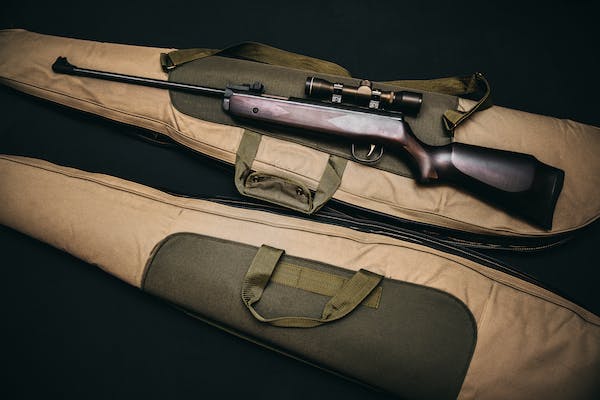
Hunting is an exciting sport for many. Just like every other sport, it requires careful planning and the use of the right set of gear. Selecting the right kind of rifle is also a crucial part of the hunting process. It is important to choose a rifle that fits your hunting style and is appropriate for the game you hunt. Let us examine how selecting quality rifles can assist hunters in making successful hunting decisions that align with their goals for the game.
1. Understand Your Game and Strategy:
The key to selecting the ideal hunting rifle is knowing the kind of game you will be hunting. Different games call for various features and capabilities. For instance:
Large game: A larger caliber rifle with considerable stopping power works well with large games like a.30-06 or.300 Winchester Magnum.
Small Game: A smaller caliber rifle with less recoil will work well for smaller games
Going out to a gun range during the weekend can be a great way to spend time with friends and family. Or to learn a new skill in self-defense. People who are into outdoor shooting know that it takes more than good firearms to have a great experience.
The right gear can make all the difference, whether you are going to the range, reloading your ammo, or going on a hunt in the woods. Let’s discuss the variety of essential shooting gear that every shooting enthusiast should have.
Must Haves Shooting Accessories
Protective Gear:
Safety comes first at shooting ranges. Investing in quality eye and ear protection safeguards your senses in the long term. These items are mandatory in some ranges. Consider buying some earplugs or electronic earmuffs. For your eye protection, invest in some sturdy glasses that are comfortable. Consider range bags or backpacks as well to organize the gear effectively. These bags have specific sections for ear protection and cleaning supplies.
It has been pretty bleak on the reloading aisle for the last several years. The necessary bits and pieces for building ammunition have been missing. There’s been rumors about how somewhere else in the country they have shelves full and no limits on how much you can buy. The interesting thing about the rumors I have heard is that in fairly short order I’ll talk to someone else from the same area and they say they can’t find anything either.
But recently, as the factory loaded ammunition has gotten easier to find and calibers that hadn’t been on the shelf have started to show up and stay for more than a minute or two, the reloading aisle is getting back to having actual reloading components on the shelves.
We are not out of the woods yet. Not by a long shot, but as I write this we have some pistol primers and some small rifle primers on the shelf. There were, for a short time, large rifle primers. And they will show up again. Brass is still tough. I expect it to get better as the
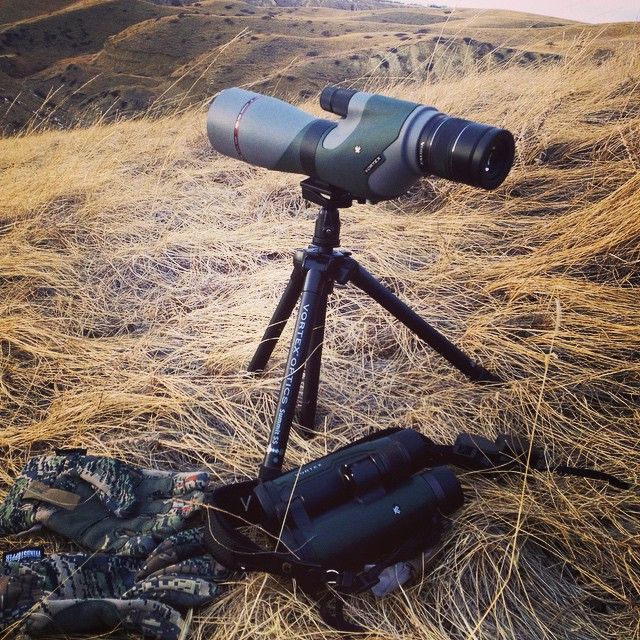
For a couple years now Basin Sports has been doing a month-long promotional deal with Vortex Optics. Vortex Days reminds me of the first time I heard of them. It was about thirteen or fourteen years ago. At that time, as I recall, there were only a few different pairs of binoculars, two lines of rifle scopes and a couple spotting scopes.
We didn’t bring in too much starting out. There were a lot of other companies with larger catalogs of optics vying for shelf space. But Vortex brought something else with them. They had a warranty that didn’t require registering with them and covered things that had nothing to do with “parts and workmanship.” If you dropped your binos, they took care of you. A lot of folks see a company launch with that kind of service and expect it to change when they get their piece of the market carved out. Not Vortex. As they have grown from a few scopes and a few binos into one of the biggest names in sport optics, they have never backed away from their desire