



Essential Deer Hunting Tips on What You Should Pack Beforehand
Most deer hunts fail before the hunter leaves the driveway. Wrong gear, missing items, poorly tested equipment. The woods expose every gap fast.
Good deer hunting tips aren't only about shot placement or scouting intel. Half the work is knowing which gear to bring and why each piece earns its spot in the pack. This guide breaks it down category by category, the way Basin Sports has helped Uintah Basin hunters do it for decades.
Hunting Clothing
Cold doesn't ask permission. It moves in at the collar, soaks through cotton, and ends a good morning sitting faster than any snapping branch does.
The layering system that works: a moisture-wicking base layer pulls sweat off skin. A mid-layer, fleece, or an insulated piece, holds body heat close. A waterproof camo outer shell stops wind and rain from reaching those first two layers. Three pieces. Each has a specific job. Skip one, and the whole system fails.
Cotton is not an option. It holds moisture and loses warmth fast. Merino wool and synthetic base layers stay warm even when damp. For mid-layers, brands like Kings Camo build specifically for hunt-day use.
The Wind-Defender Fleece line, for example, handles cold mornings without producing the kind of noise that spooks deer at close range. That detail matters on a stand.
Blaze orange is required during the Utah firearm deer season. Deer are red-green colorblind, so orange doesn't cost a single opportunity. It keeps hunters visible to other hunters. Wear it. No exceptions.
Clothing checklist:
- Moisture-wicking base layer, top, and bottom
- Insulated fleece or mid-layer jacket
- Waterproof camo outer shell
- Blaze orange vest or jacket (verify Utah season requirements)
- Warm hat and gloves, plus a spare pair each
- Merino wool or synthetic hunting socks, two pairs minimum
- Insulated, waterproof hunting boots
Basin Sports carries the full layering range for deer season, from moisture-wicking base layers to waterproof camo shells, all in their hunting clothing section.
Boot selection deserves a separate mention. A pair like the Danner Vicious handles rocky, dry terrain with serious durability. For wet ground or swampy creek crossings, rubber-insulated boots are the better call. Match the boot to the terrain type first, then the temperature.
Optics
Optics win hunts that good shooting alone can't. That's not an exaggeration.
Binoculars belong in every pack. Even on a 30-yard stand. They confirm the animal, assess the rack, and reveal movement in cover before the hunter makes a single decision. For most whitetail and mule deer setups, 8x42 or 10x42 glass is the practical range. Wide field of view.
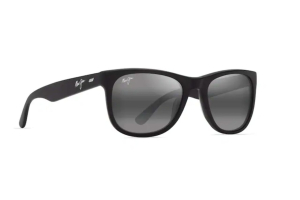
Enough magnification to read deer at 200 yards. Light enough to glass for three hours without arm fatigue. Maui Jim builds glasses in the 10x42 range with polarized lenses that cut midday glare in open terrain.
A rangefinder removes all guesswork from shot distance. For rifle hunters in open country, it's useful. For bowhunters, it's the difference between a clean harvest and a wounded deer that's never found. Get one rated past 500 yards for rifle use. For archery, look for close-focus capability under 10 yards with angle compensation built in.
Rifle scopes need pre-season attention. A variable magnification scope in the 3-9x or 4-12x range covers most deer hunting scenarios in Utah. Check that the zero holds under field weather. A scope that shifts zero between the bench and the field is worse than hunting with iron sights.
For a side-by-side look at glass options across magnification and weight, browse the optics range at Basin Sports before committing to a buy.
Archery Gear
Bowhunting deer shrinks the margin for error to almost nothing. Every component has to work.
The bow needs to be tuned before the season opens. Draw weight set for the hunter's strength, draw length dialed to proper form, cams timed correctly. Arrows need to match the bow's spine requirements. Broadheads, fixed-blade or mechanical, need to fly identically to field points at hunting distances. Many hunters test broadheads in early August and are surprised. Don't be surprised during the rut.
Release aids matter more than most beginners expect. Wrist-strap releases give a fast response and suit hunters who draw quickly in a stand. Thumb-button and back-tension releases reward more experienced archers with cleaner, surprise breaks that reduce flinch. Both are valid. Pick one and practice it consistently.
Stabilizers reduce bow torque at the shot. Front bars and side bars work together to quiet the bow and flatten the shot. Skip them, and accuracy at 40-plus yards suffers.
Archery checklist for deer season:
- Compound bow, tuned and ready
- Arrows matched to the bow spine, a minimum of six.
- Fixed-blade or mechanical broadheads, tested on target
- Wrist-strap or thumb-button release aid
- Front stabilizer and side rod
- Hip or bow-mounted quiver
- Bow case for transport
- Extra strings and string wax
A rangefinder for archery needs sub-10-yard readings and angle-compensated distance output. Elevated stand shots at steep angles consistently read longer than the actual kill distance.
Blinds and Treestands
Which is better, a treestand or a ground blind? The terrain decides. Both have a place in a deer hunter's season.
Treestands get hunters above the deer's primary scent and sight zone. That elevation advantage is real and consistent. Climbing stands work on straight, uniformly sized trees with no limb interference in the climb path. Hang-on stands paired with climbing sticks are more flexible and go on almost any tree. Ladder stands suit fixed setups near food plots or field edges where deer movement is predictable season to season.
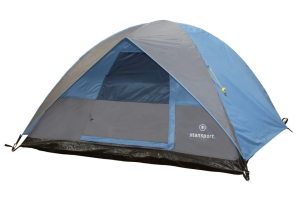
Ground blinds trade elevation for mobility. Pop-up designs set up fast, pack small, and move between locations without much effort. They're ideal for hunters who glass and spot before committing to a position, or for early-season bowhunters looking to sit tight in a brushy creek bottom.
For any treestand hunter: a full-body safety harness is not a suggestion. Falls from elevated stands are the leading cause of serious non-gunshot injuries in deer hunting. Clip in from the moment both feet leave the ground.
Hunting Knives and Field Tools
Dull knives cause accidents. That's worth saying first.
Field dressing of a deer starts with the right blade. A fixed-blade hunting knife with a 3 to 5 inch blade handles the work cleanly and holds an edge better than a folder under sustained use. Fixed blades are easier to clean after field dressing. Gut-hook blades simplify the initial belly opening without puncturing stomach contents. Not every hunter uses one, but those who do tend to stick with them permanently.
Beyond the primary knife, a compact folding bone saw handles quartering and brisket cuts that no knife blade does cleanly. A multi-tool covers the smaller jobs: cutting rope, adjusting a treestand bracket, opening gear packaging at first light.
Field tool kit:
- Fixed-blade hunting knife, 3-5 inch blade
- Compact folding bone saw.
- Multi-tool
- Pocket knife sharpener, ceramic or rod style
- Nitrile gloves, two pairs minimum
- Game bags for meat storage and transit
- 25 feet of paracord
- Headlamp with fresh batteries
That last item: don't leave without it. Field dressing regularly happens at last light. A headlamp costs almost nothing. Leaving it behind costs a lot more in frustration and mistakes.
Basin Sports stocks fixed-blade and folding options across multiple blade styles and price points in their hunting knives section, worth checking before the season starts.
Game Calls and Attractants
Look, calling deer is one part skill and two parts timing. But the right calls in the pack don't hurt.
Grunt tubes are the most used deer calls in the field for a reason. A short, soft grunt stops a moving buck long enough to get a clean shot off. A louder, more aggressive grunt during peak rut can pull a fired-up buck across a field entirely. It's one of the deer hunting tips that holds up year after year, regardless of terrain or region.
Rattling antlers, real or synthetic, simulate two bucks fighting and work best during pre-rut and peak rut phases. Use them in short bursts with long pauses between. Overwork a rattle sequence, and deer get suspicious and hang up out of range.
Estrus doe attractant during the rut pulls bucks that scent-free hunting alone wouldn't move. A drag rag applied and walked to the stand increases the odds of a buck following the line in. Check Utah regulations before using any attractant on public land.
Ammunition and Firearms
Zero the rifle weeks before the season. Not the morning of.
Caliber selection for Utah deer hunting follows terrain logic. Open high desert country around the Uintah Basin sees shots that stretch past 200 yards regularly.
Flat-shooting cartridges like .270 Win, 6.5 Creedmoor, or .308 Win cover that range well. Tighter, wooded terrain where shots stay under 100 yards opens up options like .243 Win or .30-30. Match the round to the expected hunting environment.
Premium bonded or controlled-expansion hunting loads perform better than standard cup-and-core on deer-sized game.
Hornady Precision Hunter, Federal Trophy Bonded, and Winchester Deer Season XP are proven, widely available options. Bring more ammunition than feels necessary. Three boxes for a week-long trip is a reasonable starting point.
For muzzleloader hunters: keep powder, sabots, and bullets stored dry and packed together. Utah muzzleloader seasons often run in variable fall weather, and moisture ruins a hunt before it starts.
Safety and Hunt Accessories
Familiar ground looks completely different after dark. That's when hunters get turned around.
A GPS unit or hunting app with offline maps downloaded before leaving home is non-negotiable in the backcountry. onX Hunt is the most widely used option among serious western hunters, with public and private land overlays, property boundaries, and wind tools built in. Download the maps before heading out. Assume cell service is zero.
A compass and a paper topo map are backups that cost almost nothing and work without any battery power at all.
Pack-level safety and accessory list:
- GPS or the onX Hunt app with offline maps loaded
- Compass and paper topo map
- First-aid kit with bandages, antiseptic, blister treatment
- Emergency whistle
- Waterproof fire starter
- Emergency space blanket
- Portable battery bank (cell service searching drains phone batteries fast)
- Odorless insect repellent
- Scent-eliminating spray and scent-free detergent
- Insulated water bottle, 32 oz minimum
- High-calorie snacks: jerky, nuts, protein bars
Frequently Asked Questions
What are the most important deer hunting tips for beginners in Utah?
Start with legal requirements first: a valid Utah hunting license, deer tag, and any required permits. Add layered camo clothing with blaze orange for firearm seasons, a reliable and tested weapon, and basic scent control. Then build out the field dressing kit and a navigation setup with offline maps. Beginners don't need to build a perfect kit in one season. Add gear systematically based on what each hunt reveals is missing.
Do hunters need blaze orange for deer hunting?
Yes, during Utah firearm deer seasons. The requirement covers both a hat and a vest or jacket in most cases. Deer are red-green colorblind, so orange doesn't register as a threat to them. It exists entirely to keep hunters visible to other hunters in the field. Wear it and don't give it another thought.
What knife works best for field dressing deer?
A fixed-blade knife with a 3 to 5 inch blade handles field dressing better than most folders under real-world use. Fixed blades are stronger at the spine, easier to clean, and less likely to fail under pressure. A gut-hook blade option simplifies the initial belly cut. Sharpen it before the season, not in the field after the shot.
How do hunters control scent effectively?
Wash all hunting clothes in scent-free detergent and store them in a sealed bag until the morning of the hunt. Apply scent-eliminating spray to the body and gear before the walk in. Hunt with the wind direction in mind: wind should blow from the direction deer will approach toward the hunter, not away. Check wind conditions the morning of the hunt. Overnight forecasts shift and are often wrong by first light.