




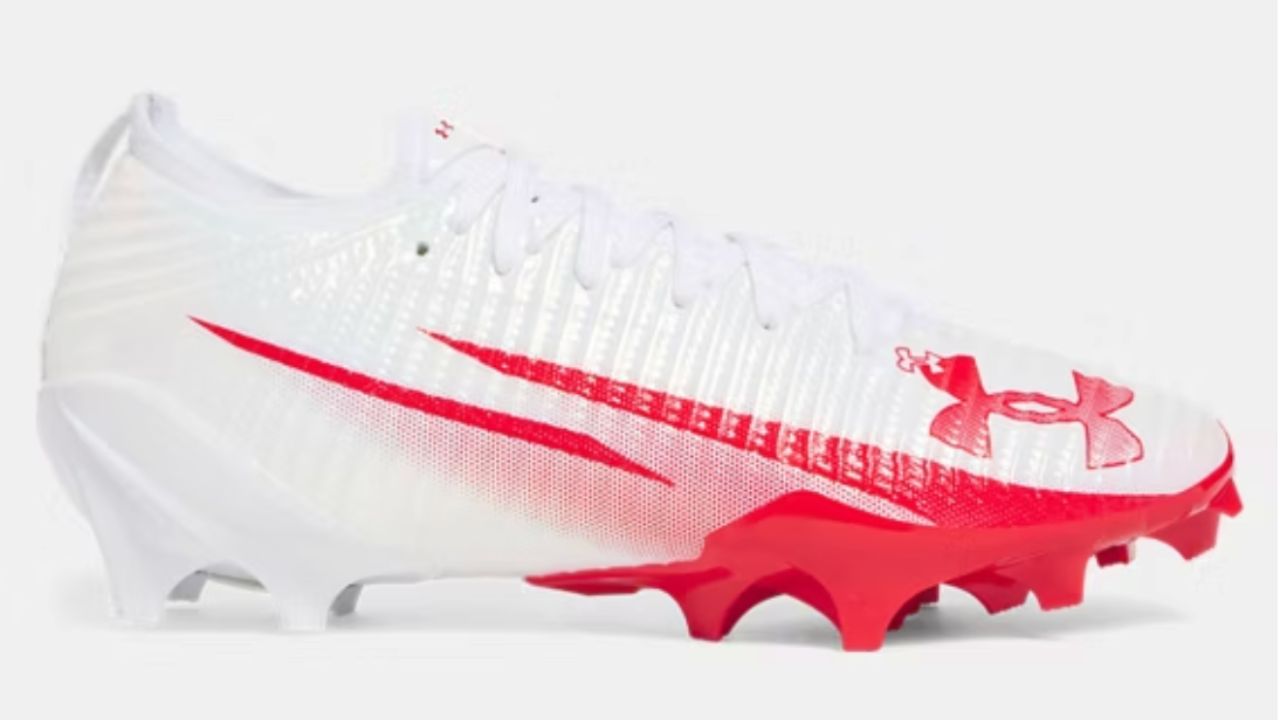
Soccer Cleats vs Football Cleats: 5 Secrets Before You Buy
If you look from across a parking lot, soccer cleats and football cleats basically look the same. Two pairs of shoes with some spikes, done. But grab the wrong pair for the wrong sport, and you could end up benched—or even injured. The real difference between soccer cleats and football cleats comes down to five key factors, not just which brand has the cooler colorway.
Let us get into what actually separates them, starting with the one that trips people up at the register more than anything else.
Secret 1: That Toe Stud Isn't Just Design, It's a Rule
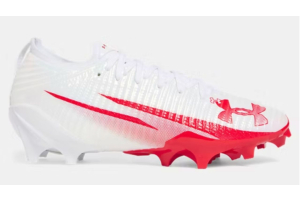
Football cleats have this little extra stud right at the tip of the toe. It gives linemen and skill guys extra push-off when they are driving forward or exploding off a stopped position.
Soccer cleats don't have it at all. And that is not some oversight, FIFA bans it on purpose. Think about it: someone sliding into a tackle, foot stretched out, that hard toe point catching another player's shin. That is exactly why it is banned. If officials notice an illegal toe stud during the equipment check or before play, you will need to change cleats before participating.
Secret 2: Weight and Material, Because These Sports Aren't Doing the Same Thing
Soccer is nonstop running, barely a break in the whole match, so the cleats stay light, flexible, low to the ground so that you can actually feel the ball. Football is more like short violent bursts, blocking, tackling, exploding off the line, so those cleats give up a little lightness for real protection instead.
Soccer uppers are soft and grippy, built for touch and control
Football uppers are thicker, tougher, built to survive getting hit
Football usually has an actual midsole for cushioning, soccer stays minimal so your foot is closer to the ball
Neither one is "better." They are just built for completely different jobs.
Secret 3: Cut Height Says a Lot About What You're Actually Doing
Soccer cleats are almost always low-profile, although some models feature knit ankle collars that do not provide the same support as traditional high-top football cleats. Regardless of position, soccer players prioritize ankle mobility for dribbling and quick direction changes. Football is different, you get low, mid, or high, and it usually tracks with position.
Who: Any soccer player
Cut: Low, always
Why: Full ankle mobility
Who: Football linemen
Cut: Usually mid or high
Why: Stability through constant hits
Who: Football skill positions
Cut: Usually low
Why: Speed matters more than support
Basically, linemen want the ankle locked down, receivers and running backs want to move fast and don't want the extra bulk.
Secret 4: The Crossover Only Works One Way
This one confuses more people than it should. Some football players, especially kickers, punters, wide receivers, and defensive backs, may choose soccer-style cleats because they are lighter and provide a better feel. However, players should always ensure the cleats meet their league's equipment rules. Soccer players wearing football cleats though? Not happening, not in an actual match.
Officials will require you to change them before play. Get caught and you are sitting until you change. So if you were hoping one pair could just do both sports, then, soccer cleats are the more versatile option, football cleats really are not.
Secret 5: Metal vs Molded Studs Matters Too
There is also the material question, separate from shape entirely. Metal studs are common in golf and baseball. Football more commonly uses molded or detachable plastic studs, while many youth leagues prohibit metal-tipped studs altogether. Molded studs, the permanent rubber or plastic kind, are basically the standard for soccer and most youth sports across the board.
Buying for a youth league? Just check their actual rules first. A lot of leagues require molded only no matter the sport or age group, and that is not something you want to find out after you've already bought the wrong pair.
Quick Bonus: Firm Ground vs Soft Ground for Soccer
One more decision soccer buyers run into. Firm-ground cleats, with molded conical or bladed studs, cover most dry natural fields and are what most players actually need. Soft ground cleats have fewer, longer studs, sometimes replaceable, built specifically for mud and wet conditions. Wearing soft-ground cleats on firm surfaces can reduce stability, wear out the studs faster, and may even be unsafe.
Buying Soccer Cleats vs Football Cleats Kids Sizes? A Bit Different
Parents shopping for kids deal with a slightly different version of the same decision. Youth football still needs real protection because contact happens at every age. Youth soccer still needs that light, low-cut build; the toe stud rule applies just as hard at the youth level as it does for adults.
A few things worth checking if you are buying for a kid specifically:
Make sure the material is flexible enough for a growing foot; stiff cleats are miserable mid-growth-spurt
Check the league's rules on stud material
Choose a snug fit with a little room for growth, but avoid buying cleats that are noticeably too large
Basin Sports carries youth sizes across both their football cleats and soccer cleats, so matching the right pair to whatever sport your kid is actually playing isn't a guessing game.
So, Which One Do You Actually Need?
Simple version. Playing soccer? Buy soccer cleats, there is no way around it. Officials will require football cleats to be changed before play. Playing football? Soccer cleats can genuinely work if you are kicking, punting, or playing a skill position that values speed, but linemen and anyone taking real contact should stick with actual football cleats. If you are comparing soccer cleats vs football cleats for kids, league rules and proper fit are just as important as choosing the right sport-specific design.
Basin Sports carries soccer and football cleats from trusted performance brands, making it easier to compare features side by side before you buy. So, have you ever shown up to a game in the wrong cleats? How'd that go?
FAQs
- Can my kid just use one pair for both sports?
Not really a great idea, the toe stud and cut differences still matter at youth level, and soccer refs will still flag football cleats. - Are metal cleats allowed in football?
It depends on the league. Most youth leagues prohibit metal or metal-tipped cleats and require molded studs instead. - Firm ground or soft ground, which do I actually need?
Firm ground covers most situations, soft ground's really only for genuinely wet or muddy fields.