What is Fly Fishing For Beginners, and How Do You Get Started Easily
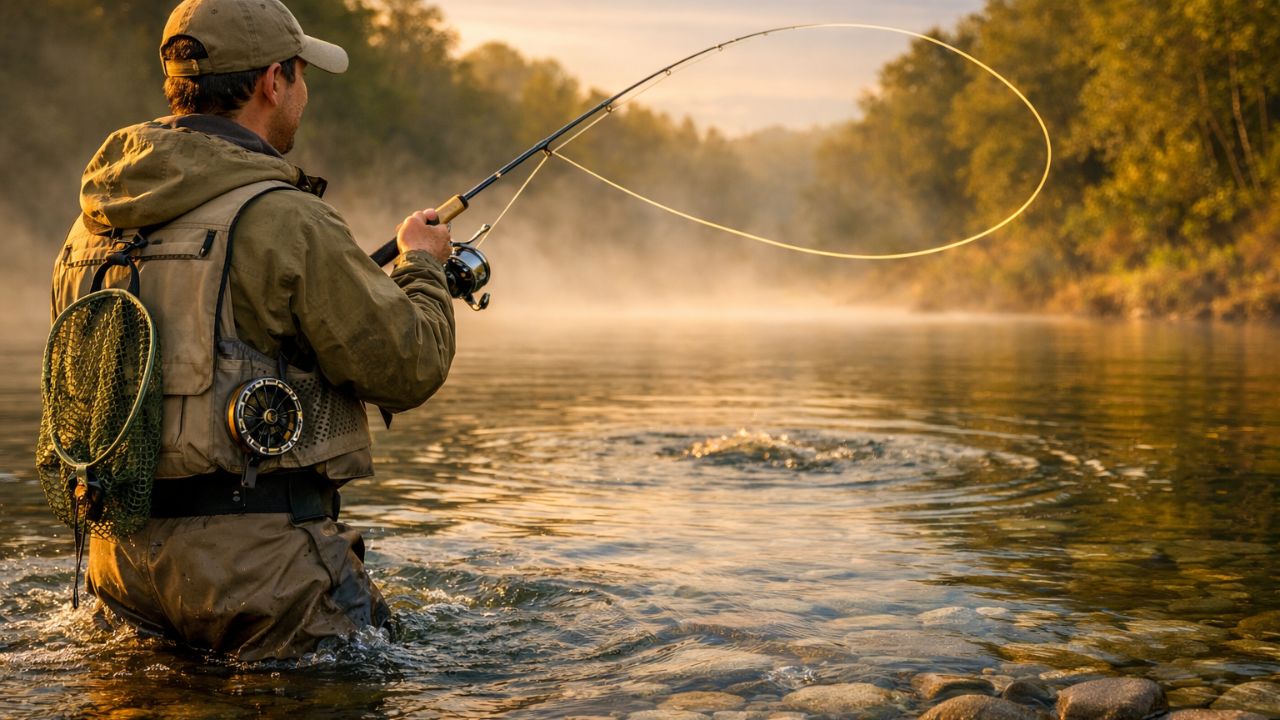
A person standing in shallow water. Smooth casting. The line is moving like it has a rhythm of its own.
But try it for the first time and things feel… different. The line tangles. The cast falls short. The fly lands nowhere near where it should.
And honestly, that’s completely normal.
People searching for fly fishing for beginners are usually curious but also a little unsure where to start. The gear seems different. The technique feels unfamiliar.
Here’s the thing, though. Once the basics click, it becomes surprisingly enjoyable. Let’s break it down in a way that actually makes getting started easier.
What Even Is Fly Fishing?
Fly fishing is different from traditional fishing in one fundamental way: instead of casting a weighted lure, the angler casts the fly line itself. The line is thicker and heavier, designed to carry a lightweight artificial fly through the air. The whole goal is to mimic insects or small creatures
What Equipment Do You Need to Know How to Fish for Bass Successfully?
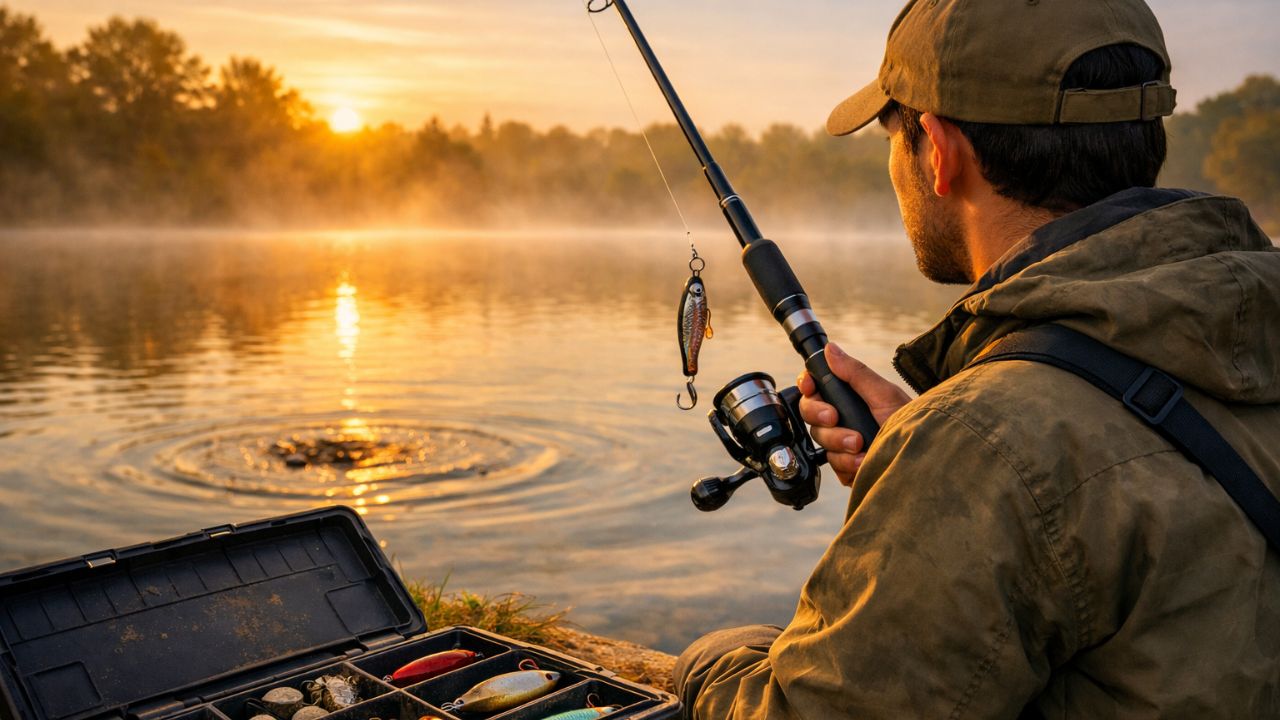
Bass fishing sounds simple until you're standing at the water's edge with the wrong gear, getting absolutely nothing. No bites. No strikes. Just a quiet lake and a growing sense that maybe everyone else knows something you don't.
Here's the thing. Learning how to fish for bass isn't just about reading the water or knowing when to go out. It starts earlier than that. It starts with gear. Get the equipment right, and everything else suddenly clicks into place. Get it wrong, and even perfect conditions won't save you.
This guide breaks down exactly what equipment matters, why it matters, and what to actually look for when buying it.
Quick Gear Summary: Bass Fishing Starter Kit
Rod: 6–7 ft, medium-heavy, fast action Tip: Spinning rod is easiest to start
Reel: Spinning reel, size 4000–5000 Tip: Avoid baitcasting until comfortable
Line: 8–14 lb monofilament Tip: Add fluorocarbon leader for clarity