




7 Smart Camping Gear Tips Beginners Wish They Knew Earlier
A lot of people think camping is complicated. Honestly, most of the time it’s just the gear that makes it feel that way.
Beginners either pack half the house or buy the cheapest setup they can find online. Sometimes both happen at once. Then the trip turns into a long lesson about cold nights, sore backs, and gear that looked much better in product photos.
The strange thing is that camping itself is pretty simple. You need a dry place to sleep, something warm for the night, food, water, and a few basics that make life easier outdoors. That’s really it.
But once people start imagining worst-case scenarios, things get out of control fast. Suddenly there are survival gadgets, giant cookware sets, five flashlights, and enough supplies to survive a week in the wilderness for a one-night campground trip.
We did exactly that once.
On one of our earlier camping trips, we packed a folding table that felt heavier every step away from the car, a huge cooking kit we barely used, and extra blankets we swore we would need. Meanwhile, the thing we actually complained about all night was the terrible sleeping pad underneath us.
That’s usually how camping teaches people what matters. Not with dramatic disasters. Just with small annoyances that slowly become impossible to ignore after midnight.
If you’re trying to figure out how to choose camping gear, the best thing you can do is keep it practical. You do not need an expensive setup or a pile of equipment that looks impressive online. You just need gear that fits the kind of trip you’re actually planning.
And if you’re starting from scratch, dependable camping accessories from Basin Sports make it easier to build a setup that feels useful instead of overwhelming.
Most Beginners Shop Before They Know What They Need
This happens constantly.
Someone decides to try camping. They watch a few YouTube videos. Read a couple of gear guides. Then suddenly every item feels essential.
A week later they own survival tools they cannot use and enough equipment to open a small outdoor store.
The smarter approach is to slow down a little first.
Think about the actual trip.
Are you driving straight to a campsite? Hiking for miles? Camping with kids? Staying near a lake for one night? Those details matter more than brand names or expensive gear lists.
Figuring out camping gear becomes much easier once you stop shopping for fantasy adventures and start planning for the trip you’re realistically going to take.
Choose Gear Around Your Camping Style
Not every camping setup needs to look the same.
Someone pulling into a campground with a packed SUV has completely different needs than somebody carrying everything on their back through the mountains.
Car Camping
This is where most people start, and honestly, it’s probably the most enjoyable way to learn.
Your car handles the heavy lifting, so comfort matters more than saving space. Bigger tents work well here. So do folding chairs, coolers, and extra blankets.
Half the fun of car camping is eating snacks you normally wouldn’t buy at home.
Backpack Camping
This is where gear weight suddenly becomes very real.
A backpack never feels heavy in the parking lot. Three hours later, your opinion changes quickly.
If you plan to hike, lightweight gear matters:
- Compact tents
- Smaller sleeping bags
- Lightweight cookware
- Multi-use items
Every extra pound starts to feel personal after enough miles.
Family Camping
Family trips usually need more organization than anything else.
Storage bins help. Extra lighting helps even more. Kids somehow manage to scatter gear across an entire campsite within minutes.
And setup speed matters. Nobody wants to wrestle with tent poles while hungry children ask questions about bears.
Solo Camping
Solo camping sounds intimidating until you actually try it.
Then many people end up preferring it.
Everything feels quieter. Simpler too.
Beginners often ask if solo camping is safe. Usually yes, especially if you stick to beginner-friendly campgrounds and prepare properly.
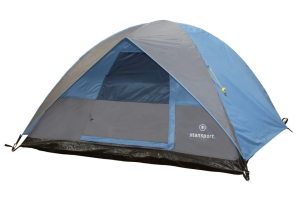
1. Stop Buying Tents Because They Look Cool
Weather protection matters far more than appearance. Always.
One of the biggest mistakes beginners make is assuming all tents work basically the same way. They don’t.
Some tents trap heat badly. Some leak during rain. Some feel impossible to assemble once the sun goes down.
A good beginner tent should have:
- Solid waterproofing
- Easy setup
- Good airflow
- Slightly more room than you think you need
Trust this advice now instead of learning it later: size up.
A two-person tent sounds spacious online. In reality, two adults plus backpacks, shoes, and damp clothes make it feel very small very quickly.
2. Your Sleeping Setup Decides Whether You Enjoy Camping
People spend hours comparing tents and somehow ignore the part that actually affects sleep.
Cold ground changes your mood fast.
A thin sleeping pad may seem fine inside a store. At 3 a.m., your back usually disagrees.
Good sleep outdoors normally comes down to:
- A decent sleeping bag
- Proper insulation underneath
- Staying dry through the night
That’s why experienced campers almost never skip sleeping pads, even during warm weather.
Some of the most useful camping accessories are the small comfort items beginners overlook at first. Compact pillows, lightweight sleeping pads, thermal blankets. Small upgrades that quietly make camping feel much easier.
Everything feels better after a good night of sleep outdoors. The coffee tastes better. The morning air feels better. Even basic breakfast somehow tastes incredible.
3. Complicated Cooking Setups Get Old Very Fast
Most beginners picture themselves cooking huge outdoor breakfasts.
Reality usually looks different.
The cleanup takes forever. Half the cookware stays untouched. The cooler turns into chaos by day two.
Simple setups work better.
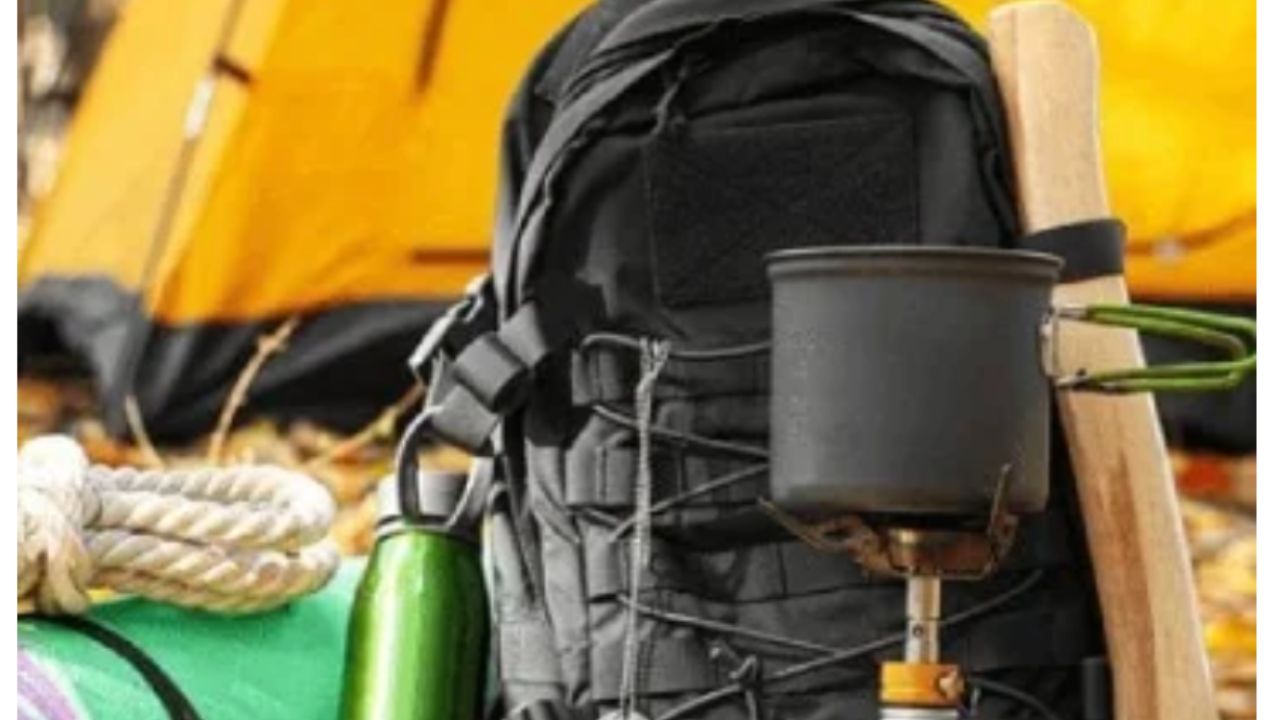
For most trips, you only need:
- A small stove
- One pot or pan
- Reusable utensils
- Easy meals
That’s enough.
One of the best camping meals we ever had was instant noodles beside a windy lake after a long hike. Nothing fancy. Just hot food at the right moment.
When choosing cooking gear, focus on practical things:
- Easy cleanup
- Compact storage
- Reliable fuel
- Fast setup
Nobody enjoys scrubbing six pans outdoors in cold water.
4. Most Camping Gadgets Are Not Necessary
This surprises beginners every time.
Outdoor stores are full of gear that looks useful but solves problems you probably will not have.
You do not need a survival shovel for a basic campground trip. You probably do not need decorative campsite lighting either.
Start simple first.
What You Actually Need
- Tent
- Sleeping setup
- Lighting
- Cooking basics
- Weather-friendly clothes
What Can Wait
- Giant cookware sets
- Expensive gadgets
- Decorative gear
- Oversized coolers
- Random survival tools
The best campsites usually feel simple, not crowded with equipment.
5. Heavy Gear Becomes Annoying Faster Than You Expect
People usually notice this after the first or second trip.
At first, bringing extra stuff feels harmless. Then eventually you’re carrying oversized gear across a muddy campsite wondering why you packed half of it.
Lighter gear makes camping feel easier because:
- Packing takes less effort
- Setup feels faster
- Campsites stay cleaner
- Moving around feels less exhausting
That does not mean you need expensive ultralight equipment immediately.
It just means avoiding bulky gear whenever possible.
At Basin Sports, many beginner-friendly camping accessories balance comfort with portability, which matters much more once you actually start camping regularly.
6. Weather Changes Everything Outdoors
Camping teaches respect for weather pretty quickly.
Warm afternoons turn cold after sunset. Wind picks up unexpectedly. Rain shows up with terrible timing.
Experienced campers prepare for conditions, not forecasts.
Always bring:
- Waterproof layers
- Extra dry clothes
- Rain protection
- Warm layers for nighttime
- Extra socks
Especially extra socks.
Wet socks somehow ruin morale faster than almost anything else outdoors.
A lot of beginners wonder if rain gear is necessary for short trips. Usually yes. Weather rarely cares how long you planned to stay.
7. Test Your Gear Before the Trip
This one habit prevents so many beginner problems.
Set up the tent once at home. Test the lantern. Use the stove. Inflate the sleeping pad.
Do not let the campsite be the first time you touch your gear.
Almost every experienced camper has a story about missing tent stakes, dead batteries, or confusing instructions after dark.
A quick backyard test run helps you:
- Find missing parts
- Learn setup faster
- Check batteries
- Feel more confident
Confidence matters outdoors, especially when everything still feels unfamiliar.
Beginner Camping Gear Checklist
Gear: Tent
Why It Matters: Shelter
Beginner Tip: Go slightly bigger
Gear: Sleeping Bag
Why It Matters: Warmth
Beginner Tip: Pick colder temp ratings
Gear: Sleeping Pad
Why It Matters: Comfort
Beginner Tip: Never skip this
Gear: Stove
Why It Matters: Cooking
Beginner Tip: Keep meals simple
Gear: Lantern
Why It Matters: Lighting
Beginner Tip: LED lights work best
Gear: Water Storage
Why It Matters: Hydration
Beginner Tip: Bring extra water
Gear: Rain Jacket
Why It Matters: Weather protection
Beginner Tip: Lightweight is enough
This setup handles most beginner camping trips comfortably.
How to Choose Camping Gear for Beginners on a Budget
Camping does not need to become expensive overnight.
Spend money where comfort matters most:
- Tent
- Sleeping bag
- Sleeping pad
Save money on:
- Fancy gadgets
- Decorative accessories
- Large cooking setups
A bad sleeping setup ruins camping much faster than a basic tent ever will.
When learning how to choose camping gear for beginners, smart decisions matter far more than expensive ones.
Because years later, nobody remembers whether your lantern was premium or budget-friendly. They remember the campfire, the cold morning air, the awful ghost stories, and waking up somewhere that felt completely different from everyday life.
FAQs
1. Is lightweight camping gear really important?
Yes, especially if you plan to hike or move gear often. Heavy equipment becomes frustrating surprisingly fast.
2. What if I forget something important?
Almost every camper forgets something eventually. Most problems outdoors are fixable with a little creativity and calm thinking.