



What Do You Need to Know About Fly Fishing for Beginners Before Hitting the River?
Picture this: a guy shows up at the river with brand-new waders, a rod still in its wrapper, and about twelve different fly boxes because the shop convinced him he needed one for every situation. Three hours later, he's untangling his line from a tree branch for the eighth time, wondering why those YouTube videos made everything look so simple.
That's the reality check nobody talks about. Fly fishing for beginners gets romanticized constantly. What doesn't get enough attention are the actual fundamentals that make or break those first experiences on the water. Skip the fancy terminology and expensive gear upgrades for now. What matters is understanding how this whole thing actually works before wading into that first stream.
Getting the Gear Situation Sorted Out
Walking into a fly shop can feel like stepping into a foreign country where everyone speaks a language that sounds vaguely familiar but makes no real sense. Rods come in weights, lengths, and actions. Reels have drag systems and arbors. Lines have tapers and densities. It's enough to make anyone want to just stick with a spinning rod and call it a day.
But here's the truth: the equipment for fly fishing for beginners doesn't need to be complicated.
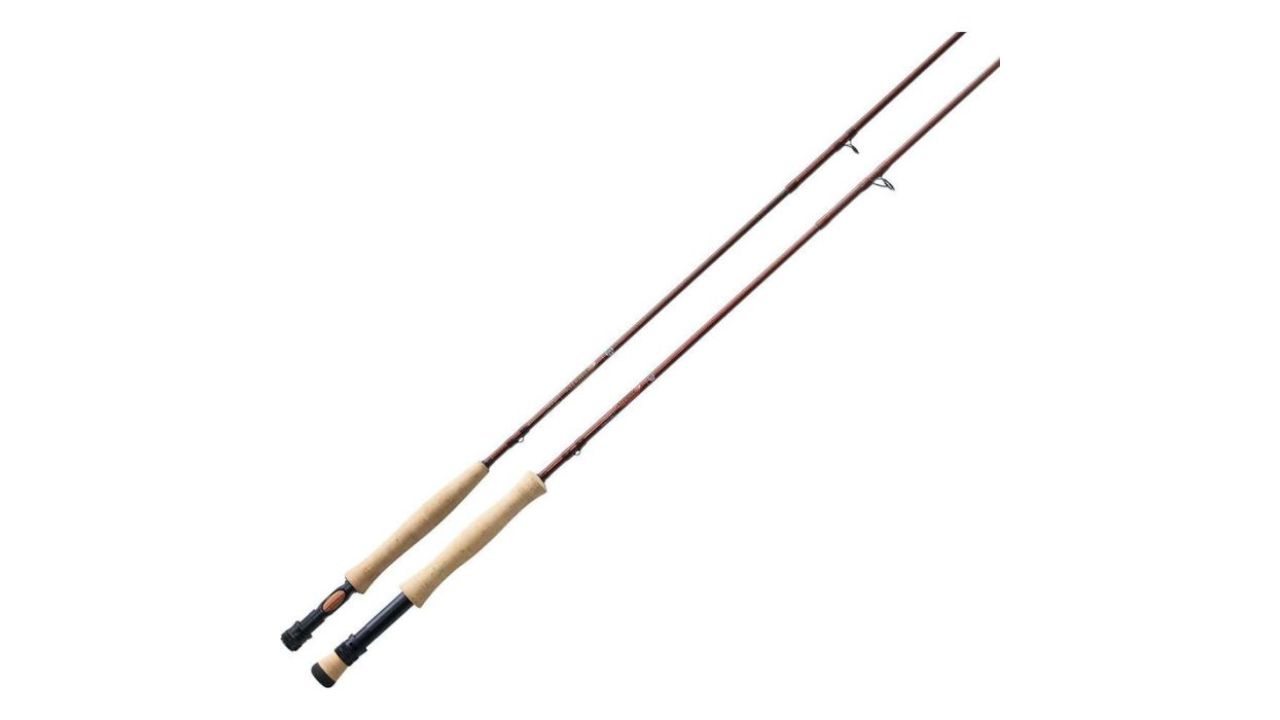
A 9-foot rod in 5-weight handles most situations a new angler will encounter. Trout streams, small rivers, and even some lake fishing are all manageable with this setup. Yes, specialty situations exist where a 3-weight or 8-weight makes more sense. Those situations aren't where beginners should start. The 5-weight is the goldilocks option that does enough things well enough to let someone learn without fighting their equipment.
The reel? It holds a line and provides some resistance when a fish runs. That's about it for now. Spending $500 on a reel with a fancy drag system makes zero sense when the biggest challenge is getting the fly to land where it's supposed to. A decent reel that balances the rod and doesn't sound like it's grinding rocks when it turns is plenty.
The Line System Breakdown
Three components connect the rod to the fly:
Fly line (thick, weighted, visible)
Leader (tapers from thick to thin, usually 7.5-9 feet)
Tippet (thin section that attaches to the fly)
The fly line does the actual casting work since flies weigh almost nothing. Its weight needs to match the rod; a 5-weight rod needs a 5-weight line. Pretty straightforward. Weight-forward floating line works for nearly everything a beginner will do.
Leaders come pre-made with a gradual taper. The thick end connects to the fly line, the thin end to the tippet. A 7.5-foot leader in 4X or 5X covers most bases. The X-rating indicates diameter; higher numbers mean thinner material.
Tippet is what gets tied and retired constantly as flies get changed out. Keep a couple of spools in different sizes. 4X and 5X handle most trout fishing scenarios without making things unnecessarily difficult.
A reliable starter like the St. Croix Imperial USA 9' 5-weight is perfect for beginners. Check out our selection of fly rods in the fly fishing rods collection to find one that fits your setup.
Flies That Actually Catch Fish
Thousands of fly patterns exist. Entire books catalog them by region, season, and species. None of that matters much at first. What matters is having a few reliable patterns that imitate the basic food categories fish eat:
- Woolly Buggers (black, olive) in sizes 8-12 for imitating small fish and leeches
- Pheasant Tail Nymphs in sizes 14-18 for underwater insects
- Elk Hair Caddis in sizes 14-16 for surface insects
- Copper Johns in sizes 14-18 for getting down deep
- Parachute Adams in sizes 14-18 for general dry fly situations
Those five patterns will catch trout just about anywhere. Once the basics are down, then branch out into more specific imitations and regional favorites.
These proven patterns are easy to find and effective; stock up on beginner essentials like Woolly Buggers, Pheasant Tails, and Adams in our fly fishing flies collection.
The Casting Thing Everyone Overthinks
Casting a fly rod looks either incredibly graceful or completely ridiculous, depending on who's holding it. The difference comes down to understanding a few key principles that aren't immediately obvious just from watching.
The rod loads and unloads. That's the entire game. Bending the rod on the backcast stores energy. Stopping the rod releases that energy and propels the line. The weight of the line bending the rod is what makes this work, not arm strength or wild thrashing motions.
Basic Mechanics
Starting with too much line out creates frustration fast. Twenty feet of line total, from rod tip to fly, gives enough to practice without overwhelming the learning process. More lines come later, after the fundamentals click.
The grip shouldn't strangle the rod. Firm enough to control it, relaxed enough to avoid tension creeping up the forearm. The thumb on top of the grip provides the most control for most people.
The actual casting motion involves smooth acceleration to a hard stop. Picture painting a ceiling, then a wall; the rod moves from 10 o'clock to 1 o'clock on the backcast, then 1 o'clock to 10 o'clock on the forward cast. The stops matter more than the movement between them.
Pause between backcast and forward cast. The line needs time to straighten out behind before coming forward. Rush this transition, and everything collapses. This pause, this timing, separates decent casters from people constantly dealing with tangles.
Practice Away From Water First
Grass makes a better teacher than water for the first several sessions. The line is visible. Trees don't grab flies as easily. There's time to focus purely on mechanics without wondering whether fish are around.
Tie a piece of bright yarn where the fly would go. Practice for 30-45 minutes at a time. Watch how the line behaves. If it's piling up in a heap, the pause isn't long enough. If it's cracking like a whip, the timing is rushed. Smooth loops extending in both directions mean things are working.
Reading Water Like It's a Map
Fish aren't wandering aimlessly, hoping to bump into food. They position themselves strategically based on current food availability and protection from predators. Understanding these positioning choices transforms random casting into targeted fishing.
Moving water creates different current speeds. Fast water carries food but requires energy to hold position. Slow water conserves energy but delivers less food. Fish want the best of both: spots where they can rest in slow current while accessing fast current that brings food.
Key Holding Spots
Seams form where different current speeds meet. That visible line on the water's surface shows where fish sit on the slow side and dart into the fast side to feed. These seams are highways of opportunity.
Rocks break the current and create cushions of slower water both upstream and downstream. Bigger rocks create better cushions. Fish tuck into these spots and wait for food to come to them.
Pools are deeper, whereas slower sections that provide resting areas often hold larger fish. The pool's head, where water enters, typically sees more feeding activity than the middle. The tail, where it shallows and speeds up again, can be productive too.
Undercut banks offer both protection and food delivery. Current deflects off the bank, creating slower water underneath where fish can hide while staying in the food lane.
Reading Versus Random Casting
Randomly casting to pretty-looking water might eventually produce a fish. Identifying likely holding spots and presenting flies specifically to those locations produces fish far more consistently. This shift from random to intentional separates effective anglers from people just enjoying being outside (which is fine too, but catching fish is more fun).
Matching Methods to Situations
Three basic approaches cover most fishing scenarios. Knowing which to use when makes the difference between slow days and bent rods.
Dry Flies When Fish Are Rising
Visible rings on the water mean fish are feeding on the surface. This is dry fly time. The fly needs to drift naturally with the current, landing softly and moving at the same speed as the surrounding water.
Drag happens when the line pulls the fly unnaturally across the current; spooks fish instantly. Proper positioning and line management through mending (flipping the line upstream to create slack) keeps the drift natural. Cast upstream or across-stream and watch the fly come down toward feeding fish.
Nymphs for subsurface feeding
Most feeding is done underwater, where nymphs (immature aquatic insects) simply drift with the current. Fish consume subsurface food way more than surface food, thus nymph fishing is very productive even if there is no rising.
The problem is to fish blind. An indicator (small float) on the line shows when to set the hook. Any hesitation, dip, or unusual movement means a fish probably grabbed the fly. To properly get the nymph to the depth, one has to add weight, either in the fly itself or with a split shot added to the leader.
Streamers for aggressive fish
Streamers mimic baitfish, leeches, and large insects. Rather than dead, drifting streamers are getting stripped back with short pulls that create movement. This causes bigger, more aggressive fish to make predatory strikes.
Streamer fishing is a fast method of covering water and is quite effective when there are no hatches or in off-color water where fish rely more on movement than sight to locate food.
River Etiquette That Keeps Everyone Happy
Sharing water with other anglers requires basic awareness and courtesy. The unwritten rules aren't complicated, but violating them marks someone as clueless fast.
If another angler is working through a section, they have priority on that water. Don't jump in above them and fish through spots they're approaching. Give people space; at least 100 feet unless asking first and getting an okay to fish closer.
When walking past someone actively fishing, go behind them when possible, not between them and the water. A quick wave acknowledges seeing them and respecting their space.
Move quietly through water. Stomping around sends vibrations that spook fish. Kicking up sediment clouds the water for everyone downstream. Stay low when approaching likely spots; fish see shadows and movement above the surface.
Safety Stuff That Actually Matters
Rivers look peaceful until they're not. Current is stronger than it appears. Rocks are slipperier than they seem. Most problems are avoidable with appropriate gear and awareness.
Proper wading boots with good traction are non-negotiable. Felt soles grip well, but are banned in many places due to invasive species concerns. Rubber soles with studs provide excellent traction.
A wading staff helps in unfamiliar water or faster current. It provides stability and lets someone probe depth before committing weight to that next step.
If footing gets lost in the current, get on the back with feet pointing downstream. Work toward the shore at an angle. Don't try standing up in fast current; the water can pin legs and create a dangerous situation.
Rivers rise quickly during storms. Pay attention to the weather upstream, not just overhead. If water starts rising or changing color, get out.
Making That First Trip Count
Starting in easier water makes more sense than tackling complex rivers right away. Small streams with visible fish provide better learning opportunities. Pocket water between rocks allows practice with short, accurate casts without worrying about long drifts and complex line management.
Going with someone experienced accelerates learning dramatically. A guide or knowledgeable friend can point out things that would otherwise take dozens of solo trips to figure out.
Frustration is guaranteed. Casts won't land where intended. Fish will get spooked. Flies will end up in trees. Maybe nothing gets caught for the first few trips. That's completely normal for fly fishing for beginners. Everyone good now sucked at first.
Focus on one skill per trip rather than trying to master everything simultaneously. Maybe it's casting accuracy one day, reading water the next, or just managing line effectively. Incremental improvement beats overwhelming frustration every time.
The fish eventually come. When that first trout gets hooked on a fly that was chosen based on conditions, cast to a spot identified by reading the water, it all clicks. That's when fly fishing stops being a frustrating puzzle and starts being an obsession.
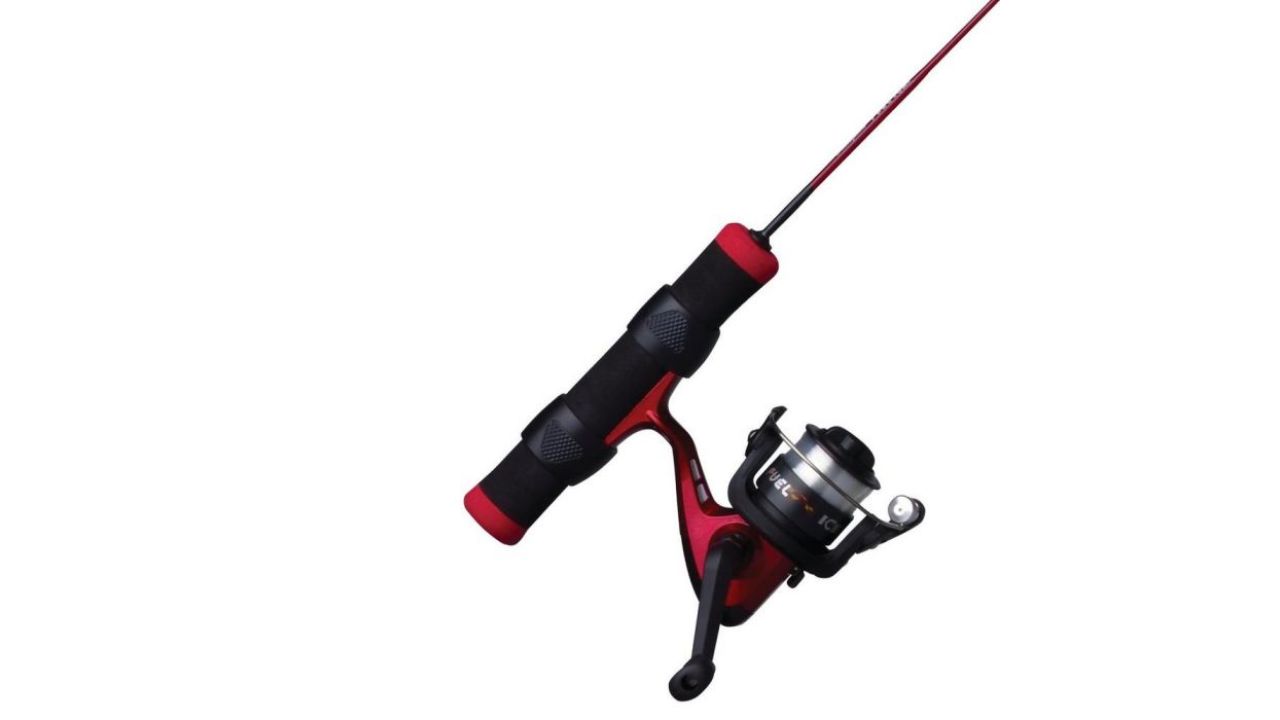
Start simple with a complete beginner combo to avoid gear overwhelm. Check out our rod/reel combos and starter kits in the fishing combos section, tailored for new fly anglers.
Frequently Asked Questions
What's the best fly rod setup for someone just starting out?
Beginning with a 9-foot, 5-weight rod, a reel of the same make, and a weight, a forward floating line will cover 80% of situations for catching trout that most beginners will be able to handle. Proper formal training in casting technique can be gained from a flexible and multi-purpose tool like this one without completely restricting a novice to certain spots only.
How long does it take to learn fly casting well enough to actually catch fish?
Most people are capable of performing basic, effective casting after three to four practice sessions (each lasting 30 to 45 minutes) on grass. However, the ability to catch fish consistently depends more on understanding the nature of water and choosing the right fly than on perfect casting. Good basics are acquired after a couple of weeks of practice, but fine-tuning lasts for years.
Do beginners really need to learn about insect hatches and entomology to catch trout?
Not really, starting with just five basic plain fly patterns (Woolly Buggers, Pheasant Tail Nymphs, Elk Hair Caddis, Copper Johns, Parachute Adams), one can get fish in most outfits without prior knowledge of entomology. After some time, the understanding of hatches and insect life cycles will help, but initially, one can get going without such knowledge and even be successful