



What is Fly Fishing For Beginners, and How Do You Get Started Easily
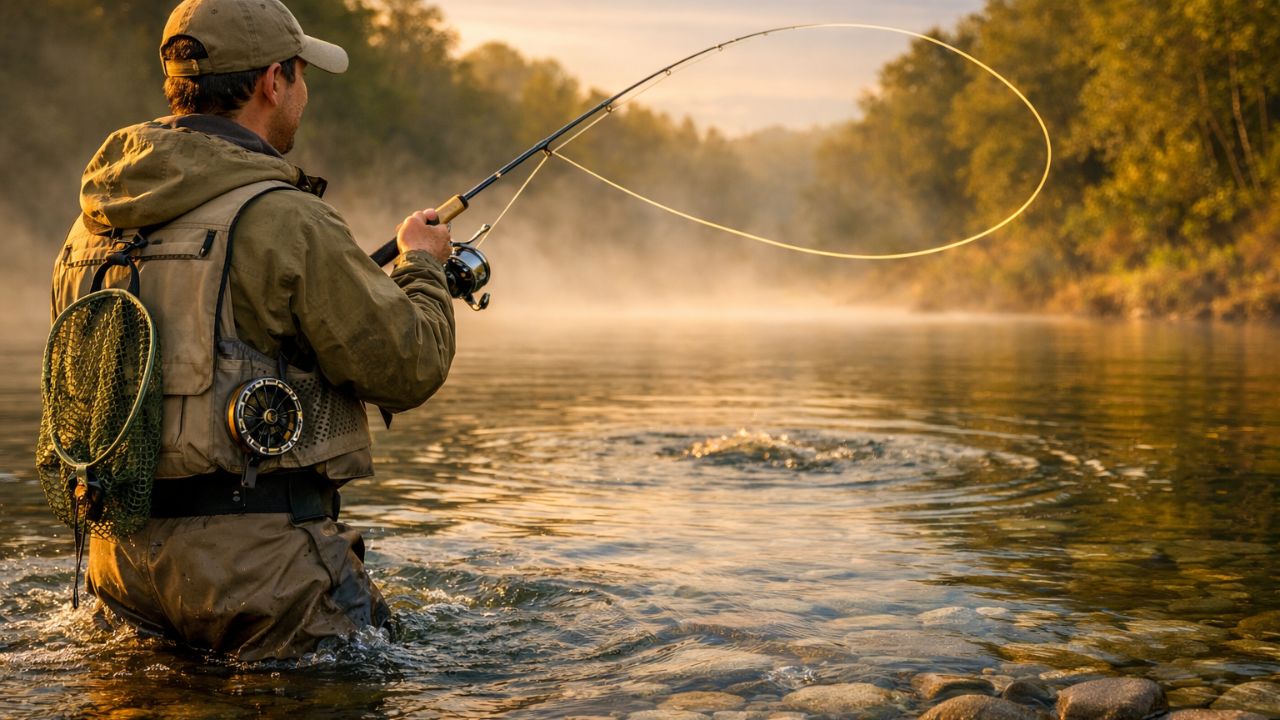
A person standing in shallow water. Smooth casting. The line is moving like it has a rhythm of its own.
But try it for the first time and things feel… different. The line tangles. The cast falls short. The fly lands nowhere near where it should.
And honestly, that’s completely normal.
People searching for fly fishing for beginners are usually curious but also a little unsure where to start. The gear seems different. The technique feels unfamiliar.
Here’s the thing, though. Once the basics click, it becomes surprisingly enjoyable. Let’s break it down in a way that actually makes getting started easier.
What Even Is Fly Fishing?
Fly fishing is different from traditional fishing in one fundamental way: instead of casting a weighted lure, the angler casts the fly line itself. The line is thicker and heavier, designed to carry a lightweight artificial fly through the air. The whole goal is to mimic insects or small creatures on or below the water's surface, tricking fish into striking.
That's the core idea. You're not relying on bait. You're presenting an imitation so convincing the fish can't help itself.
While most fly fishing is done in freshwater for trout or bass, it absolutely extends into saltwater for species like bonefish and tarpon. So no, it's not just about mountain streams and trout, though that is where most beginners start.
Why Fly Fishing? (Because People Always Ask)
Honestly, the appeal is hard to explain until someone's done it. But a few reasons stand out:
- It demands presence. There are no passive moments. Reading the water, watching the line, adjusting the cast. All of it keeps the mind sharp and fully there.
- The environments are spectacular. Rivers, streams, and mountain lakes. You're not fishing from a parking lot.
- It's a skill sport. The ceiling is high. People spend decades getting better and still find new challenges, which is surprisingly satisfying.
- It's meditative. Weird to say something competitive. But the rhythm of casting, the sound of moving water, there's a reason guides often describe it as therapeutic.
The Gear: What a Beginner Actually Needs
Don't let anyone oversell you on gear. The basics are genuinely simple.
The Core Setup
Here's what a beginner fly fishing kit should include: a fly rod, a fly reel, fly line, backing, and a leader. The rod is longer and more flexible than a conventional fishing rod. For beginners, a 9-foot, 5-weight rod is a versatile all-around choice for trout and bass in rivers and streams.
Basin Sports carries a solid range of fly fishing rods worth browsing before making that first purchase, especially if the goal is a rod that actually grows with skill level.
A survey by Fly Fisherman Magazine found that 72% of beginners start with a 5 or 6-weight, 9-foot rod. Trout Unlimited also recommends a 5-weight setup for most freshwater trout streams, as it strikes the right balance between power and finesse.
Should You Buy a Combo Kit or Individual Pieces?
For beginners, combo kits win. No debate needed.
Buying a matched combo is smarter than piecing together individual components. It saves money and avoids the common beginner mistake of mismatched line weights. MidCurrent analyzed beginner gear purchases and found that 3 out of 4 people who bought individual pieces ended up with mismatched line weights, a frustrating and easily avoidable problem.
A solid beginner combo sits in the $150 to $250 range. Sub-$100 kits had a 37% higher return rate due to poor performance and breakage. Spend a little more upfront. Your future self will thank you.
Browsing through the rod and reel combos at Basin Sports is a great shortcut here, since everything is already matched and ready to fish.
Understanding Fly Line
Beginners should start with a weight-forward floating line. It's versatile, easier to use, and excellent for fishing with dry flies on the water's surface. Just make sure the weight of the fly line matches the rod weight for best results.
The Three Parts of Fly Line You Should Know
Component: Backing
What It Does: Extra line on the reel; your safety net when a fish runs hard
Component: Running Line
What It Does: Thin, long section that enables longer casts
Component: Taper
What It Does: The front section; transfers casting energy smoothly to the fly
Leaders and Tippet
Fly fishing leaders taper from thick to thin, helping transfer energy from the cast while remaining nearly invisible to fish. The numbering system seems backwards: 0X is heavy, 5X is light. A 4X or 5X leader works well for trout and panfish, while bass or larger fish call for 0X to 2X.
If tying your own sounds overwhelming at first, buy pre-tapered leaders. Simple as that.
Flies: The Lures That Aren't Lures
This is where fly fishing gets genuinely fascinating. The flies you use are hand-tied imitations of insects, baitfish, and other creatures. Three main categories:
- Dry flies: Float on the surface and mimic adult insects. Watching a trout rise to take one is the most exciting moment in the sport.
- Nymphs: Drift below the surface, imitating larvae. Used more often than dry flies since fish feed underwater most of the time.
- Streamers: Larger, more aggressive flies that mimic small baitfish or leeches. Great for bass and bigger trout.
A Simple Starter Fly Box
A beginner doesn't need hundreds of flies. The Woolly Bugger is one of the most versatile options available, capable of imitating baitfish, leeches, or aquatic insects. Carry it in black, olive, white, and pink, in a size 8 as a starting point. Marabou Streamers in white or black work well for targeting aggressive fish like bass and larger trout.
Other solid beginner patterns include the Elk Hair Caddis as a dry fly and the Pheasant Tail Nymph for below the surface.
And for anyone who wants to round out their tackle beyond flies, the lures collection at Basin Sports covers a wide range of options for different water conditions and target species.
The easiest way to know what flies to bring is to visit a local tackle shop. Most shops maintain a hatch chart that tells you what insects are active each season and which fly patterns best imitate them. Don't overthink this part.
Casting: The Part Everyone Worries About
The most common fear with fly fishing for beginners is the cast. And it's understandable. Casting a fly rod looks complex. But here's what most guides won't tell you upfront: precision matters far less than timing.
Fly casting is different from conventional fishing. Instead of using force and the weight of a lure, it's the weight of the fly line that bends the rod and sends the fly forward. Beginners who come from conventional fishing often use too much strength. Good timing and rhythm matter far more than power. If your casting feels like hard work, something is off technique-wise.
The Two Casts to Learn First
1. The Overhead Cast
The overhead cast is the most basic fly fishing technique and forms the foundation for nearly everything else. It involves forward and backward movements with a brief pause in between. The cast starts by picking the line up off the water (the back cast), then driving forward smoothly.
2. The Roll Cast
The roll cast is used when there's no room to backcast, such as when a dense tree line or overhanging branches block the path behind. To execute it, flick the rod tip upward while letting the line hang down beside the rod. It's a practical, essential skill for realistic fishing conditions.
Practice on Land First
You don't need water to practice casting. Any open space with enough clearance works fine, like a backyard. Spending a few hours there with the rod before heading to the water builds confidence and makes the first real fishing trip significantly more enjoyable.
Reading the Water: Where Fish Actually Are
Getting a cast out is only half the job. The other half is knowing where to put it.
Fish, especially trout, tend to hold in areas where food is abundant and they feel safe. Three key locations to target are:
- Riffles: Shallow, fast water that's rich in oxygen and food
- Pools: Deeper, slower water where fish rest away from predators
- Seams: The transition line between fast and slow current, where fish sit and intercept drifting food
Also cast upstream to places where trout might be holding, and work from the back of the hole forward. Fish around obstructions that break the current, like rocks and logs, as trout love sitting just behind them.
Safety and Etiquette
Bodies of water can be hazardous, particularly for new anglers whose attention is naturally divided between their fly and their footing. Water levels fluctuate, and rising water is dangerous. Always check river conditions before going out, keep an eye on water levels while fishing, and stay stationary when casting.
A few etiquette points that matter:
- Give other anglers space. Move upstream or downstream, not right into someone's hole.
- Practice catch and release correctly. Wet hands before touching trout, as dry hands can cause abrasions on their soft scales. Land fish quickly since playing them to exhaustion decreases their survival rates after release.
- Pack out what you pack in.
Getting a License and Finding Where to Fish
Before hitting any water, make sure there's a valid fishing license. Requirements vary by state, but most US states require one for anyone 16 and older. The US Fish and Wildlife Service website is the cleanest place to check local rules, seasons, and regulations.
When choosing a beginner location, look for water with good public access, manageable currents, and a healthy fish population. Avoid highly technical waters early on, as they can be genuinely frustrating before the basics are solid.
A Quick-Start Checklist for Total Beginners
Before heading out for the first time, run through this:
- Fishing license secured
- 9ft 5-weight combo kit with floating line
- Basic fly selection (Wooly Bugger, Elk Hair Caddis, Pheasant Tail Nymph)
- 4X or 5X leader attached
- Practiced the overhead cast in the backyard
- Checked local fishing reports or visited a tackle shop
- Waders or, at a minimum, waterproof footwear
- Learned the improved clinch knot for tying on flies
Common Beginner Mistakes to Avoid
Mistake: Using too much power when casting
Why It Hurts: Collapses the cast, creates tangles
Fix: Focus on timing, not strength
Mistake: Buying cheap gear under $100
Why It Hurts: Poor performance kills motivation fast
Fix: Spend $150–$250 on a matched combo
Mistake: Ignoring local hatch reports
Why It Hurts: Wrong flies mean zero bites
Fix: Check tackle shop reports weekly
Mistake: Wading into fast water too early
Why It Hurts: Dangerous, spooks fish
Fix: Wade slowly, stay in manageable current
Mistake: Overcrowding other anglers
Why It Hurts: Bad etiquette, bad experience
Fix: Keep distance, read the water first
Final Thought
Fly fishing for beginners is genuinely accessible. The learning curve is real, but it's also part of the appeal. Every awkward cast, every lost fly, every fish that got away is part of building something that can last a lifetime.
Even professional guides are still learning. That's part of the fun; there's always a way to improve. Start with solid gear, practice the cast before touching real water, visit a local tackle shop for fly advice, and then just go. The river will teach the rest.
For anyone who wants to go even deeper before hitting the water, Basin Sports has a companion read covering what beginners truly need to know before stepping into their first river, and it's worth a look.
FAQs
What is fly fishing for beginners?
Fly fishing for beginners involves learning how to use specialized gear and casting techniques to present lightweight flies that imitate insects.
Is fly fishing hard to learn?
It can feel challenging at first, but with practice and proper guidance, most beginners pick up the basics quickly.
What is the best rod for beginners in fly fishing?
A 9-foot medium action fly rod is a common and reliable choice for beginners.
Where should beginners practice fly fishing?
Calm lakes and slow moving rivers are ideal for practicing casting and improving technique.