



What Gear Do You Actually Need to Know How to Catch Trout Like a Local?
Most people who struggle to catch trout aren't fishing wrong. They're geared wrong. They show up with a bass rod, heavy line, and giant hooks. Then wonder why the fish don't bite. Trout are smart. Picky, actually. They spook at shadows, ignore thick lines, and ignore oversized lures without a second look. Get the gear right first. Everything else gets easier.
This isn't a shopping list designed to empty your wallet. It's what actually matters when you want to know how to catch trout the way people who do it regularly do it.
The Rod: Why Size Really Does Matter Here
Forget general-purpose rods. Trout fishing calls for something specific.
A six-foot ultralight fast-action spinning rod is the go-to choice for most trout situations. It's short enough to handle in tight creek spots. Long enough to get a good cast in open water. And the ultralight action does something heavier rods can't: it lets you feel bites that would otherwise register as nothing.
For fly fishing, a nine-foot five-weight rod is the standard starting point. It handles mid-size water well and works with a wide range of flies and rigs. Smaller creeks call for something like a seven-foot three-weight.
If fly fishing is where you're headed, the full breakdown on fly fishing for beginners covers casting technique, gear setup, and what to expect on the water before you go.
Here's the quick breakdown:
Fishing Style: Spin Fishing
Rod Length: 6 to 7 ft
Rod Action: Ultralight/Light
Best For: Lakes, rivers, streams
Fishing Style: Fly Fishing
Rod Length: 9 ft
Rod Action: 5-weight
Best For: Most trout water
Fishing Style: Small Creeks
Rod Length: 7 ft
Rod Action: 3-weight
Best For: Tight, brushy spots
Don't overthink it. Start ultralight for spin fishing. Upgrade later once you know what water you'll fish most.
The Reel: Spinning Wins for Most Anglers
For trout fishing, spinning reels are the best choice, especially for those who are newer to the sport. They're simple to use, easy to maintain, and work well with light lures and lines.
Look for a reel in the 1000 to 2500 size range. These sizes are light, compact, and match well with ultralight or light rods. Size 1000 to 1500 works great for small streams and creeks. Size 2000 to 2500 handles larger rivers or lakes where longer casts matter.
One thing most beginners overlook? The drag system. A smooth, adjustable drag is key. Trout fight hard for their size. A jerky drag breaks off the fish you've worked hard to get on the hook.
Fishing Line: The Part That Kills Most Rigs
Blunt truth here. The line choice matters more than most people admit.
For spin fishing, four to six-pound monofilament is the right call for most trout scenarios. For fish over twenty inches, you can go heavier, but for most situations, the lightest line you can get away with is the best option.
In clear water, line visibility matters a lot. Trout have sharp eyes and can be line-shy. That's where fluorocarbon shines. Its low visibility helps increase strikes. In murky or off-color water, you can get away with slightly heavier or more visible lines.
Line weight quick guide:
- 2 to 4 lb test: Small trout in creeks and streams
- 4 to 6 lb test: Average trout in rivers and lakes
- 6 to 8 lb test: Larger trout or heavy cover situations
Go lighter whenever the water is clear. Trout will notice. This is not optional advice.
Lures and Bait: Challenge Your Instinct to "Match the Bass Aisle"
Most people grab whatever spinner looks flashy. Works sometimes. Not always.
Small marabou jigs, worked on a nearly slack line while reeling very slowly, are surprisingly effective for bigger trout. It takes practice, but once you nail the technique, it's consistently productive.
For spin fishing, the best starting lures for how to catch trout are:
- Inline spinners (1/16 oz is the magic weight for most streams)
- Small spoons (like a Kastmaster or similar)
- Soft plastic grubs on light jigheads
- PowerBait or salmon eggs for stocked fish in still water
- Live nightcrawlers when everything else gets ignored
Many trout waters don't allow natural bait at all. For those spots, inline spinners and small spoons are the reliable fallback. Rigging worms or salmon eggs with a straight shank hook and drifting them with a small weight produces big results where natural bait is allowed.
For fly fishing, stock a box with Woolly Buggers, Pheasant Tails, and Adams patterns. Those three cover most situations a beginner will face on any trout river. Add a local pattern picked up from whoever runs the nearest fly shop. They'll know what's hatching right now. That matters more than any list.
Terminal Tackle: The Small Stuff That Closes the Deal
Verb-first reality check: the terminal tackle is where most setups fall apart.
The basics to carry at all times:
- Size 8 to 12 hooks (bait hooks for natural bait, trebles on lures)
- Small split shot sinkers (non-lead where required by law)
- Snap swivels to prevent line twist
- Small bobbers/floats for drifting bait in current
Rigging a snap swivel with a size 8 bait hook and a small non-lead split shot gives a solid all-purpose setup for most trout water. Keep it simple. The more stuff on the line, the more unnatural it looks.
Not sure whether your lure needs extra weight to reach the right depth? The guide on fishing lures and weights clears that up fast.
Waders and Clothing: Comfort Decides How Long You Stay Out
Here's the thing. A lot of good fishing happens in cold water. Move slowly, wade often.
Insulated waders, thermal layers, gloves, and a waterproof jacket are the essentials for colder conditions. Ice forming on rod guides is a real problem in winter fishing. Keep a small cloth handy.
For warmer seasons, lightweight breathable chest waders work well. Neoprene for late fall and winter. Boot-foot waders are easier for beginners. Stocking-foot with wading boots gives better ankle support on rocky riverbeds.
Don't wade without felt or rubber-soled wading boots with grip. Slick river rock is no joke. The falls are fast, and the water is cold.
Polarized Sunglasses: Underrated. Full Stop.
Not a luxury. A fishing tool.
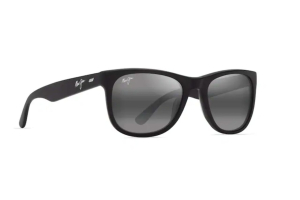
Polarized lenses cut the surface glare off water. Suddenly, you can see fish holding in pools you'd have walked right past. Spot where trout are sitting before you cast. Cast once, cast well. That's how the locals fish it. They scout before they step in.
Any polarized lens works. Amber or copper tint reads water contrast best on overcast days. Grey tint handles bright sun. Either way, don't fish without them.
Reading the Water: The Gear That Can't Be Bought
All the right gear won't catch fish if the cast lands in the wrong spot.
Trout like cover and cold, oxygenated water. Check near rocks, fallen logs, underneath embankments, and deeper water where trout can hide and look for food. The seam where fast current meets slow water is a classic holding spot. Drop a spinner there and work it slowly across the seam. That's where the fish are stacking.
Clear water calls for lighter, more natural presentations. Muddy or off-color water calls for flashier lures or scented baits to help trout find what's on the hook.
Stand back before stepping into a pool. Trout see movement above the surface. A shadow on the water clears a hole faster than anything. Approach low and slow.
Don't Skip the License
Utah requires a valid fishing license before you cast a single line in public water. Get it before you go. The fine isn't worth it, and the money supports the fishery you're standing in.
Basin Sports carries licenses in-store. Pick one up, grab your gear, and get on the water. And if you want to make sure nothing's missing before the trip, run through the complete fishing gear checklist before you head out.
FAQs: How to Catch Trout
Q1: What's the best rod for trout fishing for a beginner?
A six-foot ultralight spinning rod is the most practical starting point. It handles small lures well, gives good feedback on light bites, and works across most trout water from small creeks to mid-size rivers. Pair it with a 1000 to 2500 size spinning reel and four to six-pound monofilament, and the setup is ready for most situations.
Q2: What lures work best for how to catch trout in rivers?
Inline spinners in the 1/16 to 1/8 oz range are the most consistent producers in moving water. Small spoons and soft plastic grubs on light jigheads are close seconds. In rivers with natural bait rules, nightcrawlers drift with a small split shot through current seams are hard to beat. Match the weight of the lure to the speed of the current.
Q3: Does fishing line color matter for trout?
Yes, especially in clear water. Trout have sharp eyes and will avoid thick or visible lines. Clear fluorocarbon is the best choice for spooky fish in gin-clear streams. In stained or murky water, the color matters less, but staying in the four to six-pound range still helps with natural lure action.
Q4: Do you need waders to catch trout?
Not always. Bank fishing works in plenty of spots. But waders open up water that's out of reach from the shore. They let you position better, wade into the seams where trout hold, and stay dry through cold mornings. Lightweight breathable waders with rubber-grip wading boots are a good investment once the hobby sticks.