Polarized vs Non-Polarized Sunglasses: 5 Secrets Before You Buy
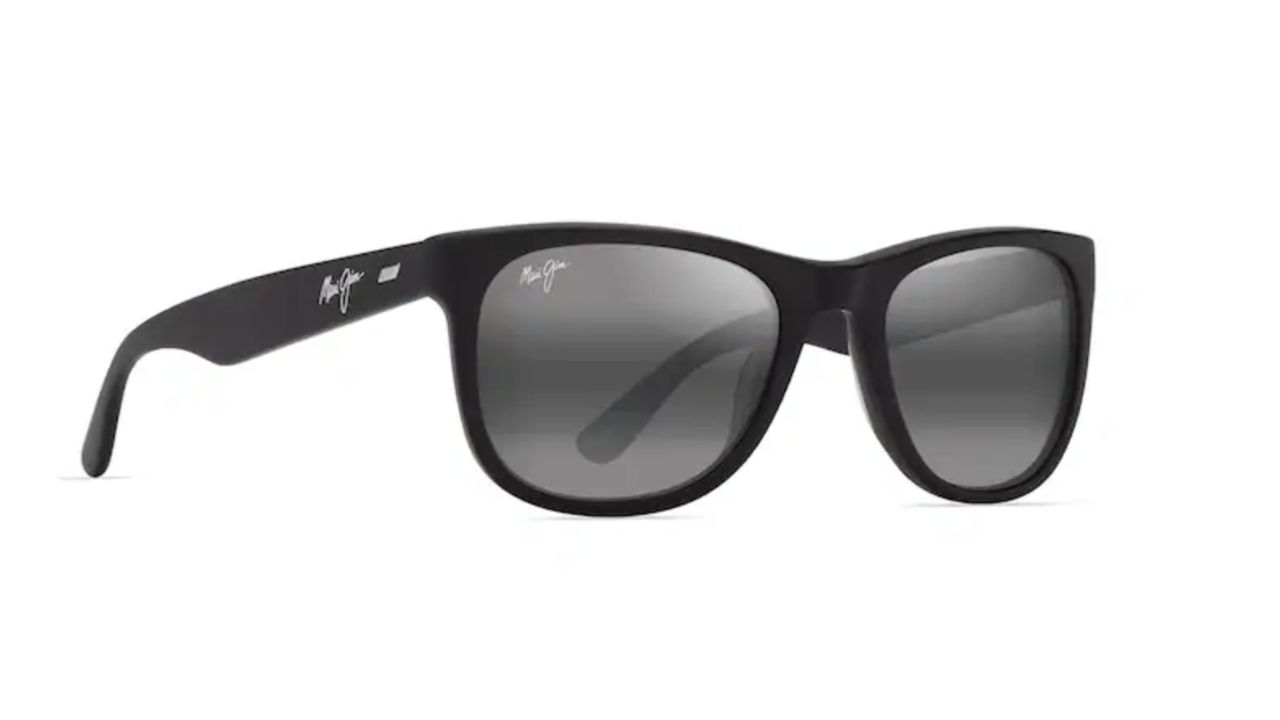
Polarized lenses cut glare, while non-polarized lenses don't, and that single difference decides almost everything else about which pair you actually want. Sounds simple. But polarized vs non polarized sunglasses become more nuanced once you dig into where each one falls short, the stuff most shopping guides skip right past.
Here is what actually changes which pair ends up on your face.
Quick Version: How Polarization Actually Works
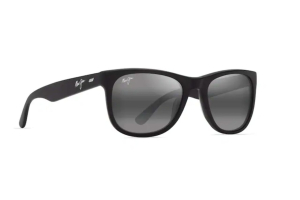
Picture vertical blinds on a window. Light comes through the gaps in thin vertical slivers, not all at once. Polarized lenses do something similar. They are laminated with a filter that only lets vertical light through and blocks the horizontal glare bouncing off flat surfaces like water, roads, and snow. Non-polarized lenses skip that filter and just dim everything evenly instead.
That is really the whole mechanism. Everything below is just where that difference actually matters in real life.
Soccer Cleats vs Football Cleats: 5 Secrets Before You Buy
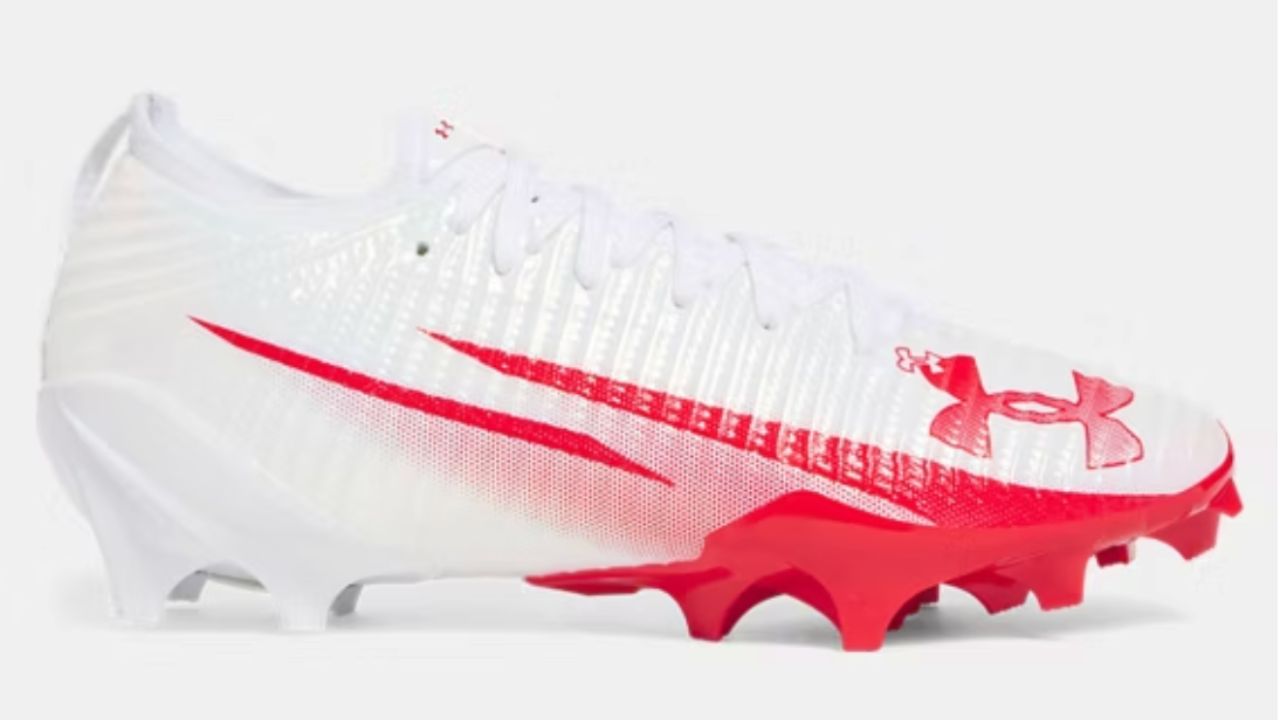
If you look from across a parking lot, soccer cleats and football cleats basically look the same. Two pairs of shoes with some spikes, done. But grab the wrong pair for the wrong sport, and you could end up benched—or even injured. The real difference between soccer cleats and football cleats comes down to five key factors, not just which brand has the cooler colorway.
Let us get into what actually separates them, starting with the one that trips people up at the register more than anything else.
Secret 1: That Toe Stud Isn't Just Design, It's a Rule
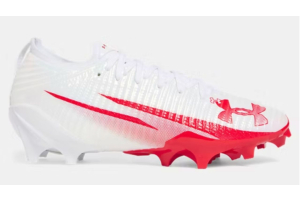
Football cleats have this little extra stud right at the tip of the toe. It gives linemen and skill guys extra push-off when they are driving forward or exploding off a stopped position.
Soccer cleats don't have it at all. And that is not some oversight, FIFA bans it on purpose. Think about it: someone sliding into a tackle, foot stretched out, that hard toe point catching another player's
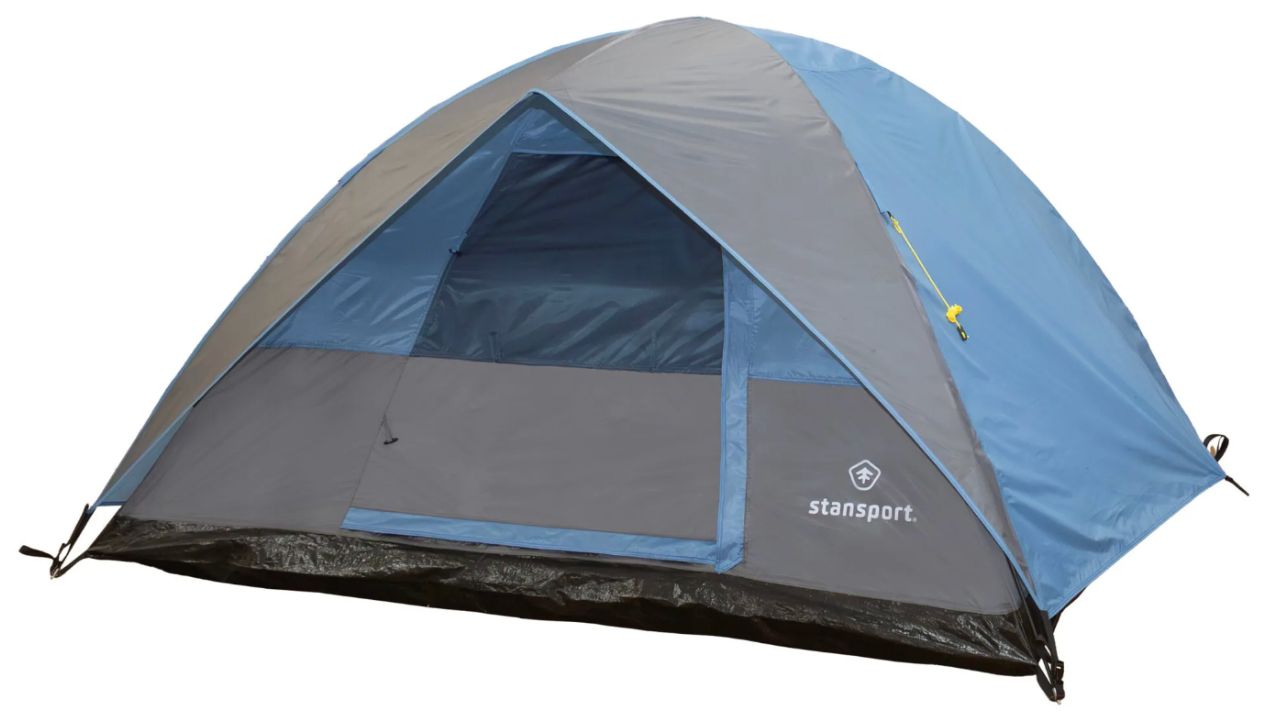
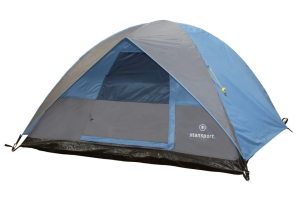
Setting up a tent in 10 minutes is genuinely doable. Most people take 40 because they've never done it before their first campsite arrival, or the last time they tried was in the dark, hungry, with the instructions somewhere at the bottom of the bag.
That's not a gear problem. It's a practice problem. And it's the most fixable thing on this entire list.
Whether you just picked up your first tent from the tent range at Basin Sports or you've been camping for years and the setup still takes longer than it should, this guide walks through the full picture: choosing your spot, raising the tent, staking it down, tensioning the fly, and the stuff nobody else covers like setting up solo, setting up in the rain, and what to do when the ground isn't cooperating.
Why Most People Take 40 Minutes (And How to Fix That)
The reason is almost never the tent. It's that the first attempt happens at the campsite. You've just driven for four hours. The sun
What to Bring Camping: The Only Checklist You’ll Ever Need
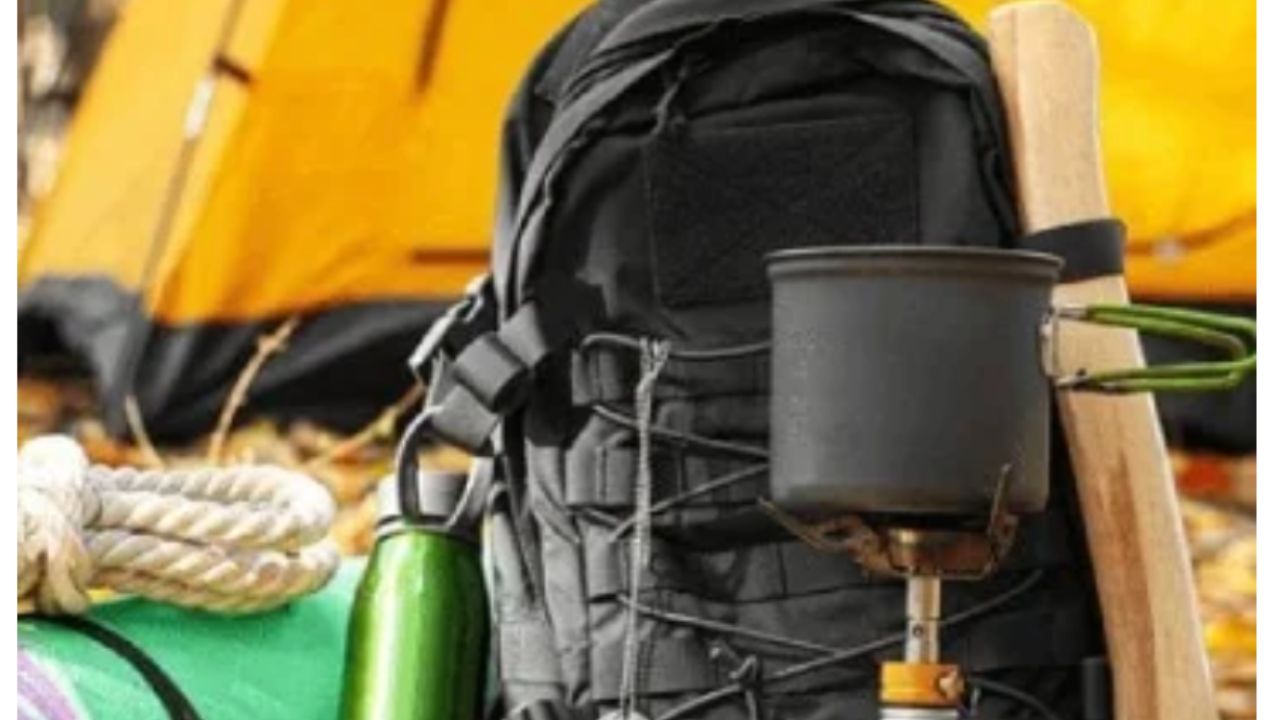
Forget your sleeping bag on a camping trip and you’re in for a cold, long, miserable night with zero pity from anyone around the fire.
And yet, the sleeping bag rarely gets forgotten. You know what does? The can opener. The toilet paper. The headlamp batteries. The dry kindling when it’s been raining for three days. The small stuff. Always the small stuff.
We’ve spent years watching people come into Basin Sports mid-trip for things they swore they packed. There’s a pattern to it. And this piece is our attempt to break that pattern for good, not with another 300-item mega list that makes your eyes glaze over, but with the kind of real talk you’d get from a friend who camps a lot and has made every mistake worth making.
Before You Even Touch Your Gear Bag
Most people open a bag and start throwing things in. That’s how you end up at a campsite with four pairs of shoes and no matches.
The single most useful question you can ask yourself
7 Smart Camping Gear Tips Beginners Wish They Knew Earlier
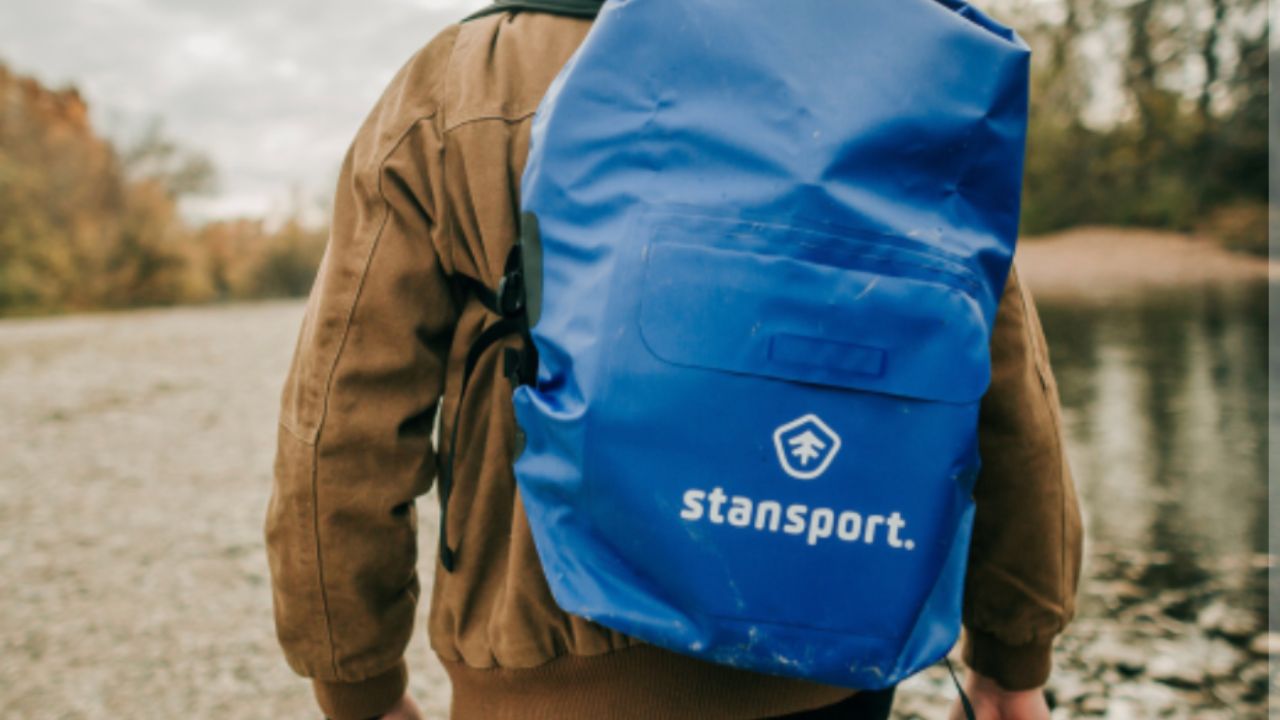
A lot of people think camping is complicated. Honestly, most of the time it’s just the gear that makes it feel that way.
Beginners either pack half the house or buy the cheapest setup they can find online. Sometimes both happen at once. Then the trip turns into a long lesson about cold nights, sore backs, and gear that looked much better in product photos.
The strange thing is that camping itself is pretty simple. You need a dry place to sleep, something warm for the night, food, water, and a few basics that make life easier outdoors. That’s really it.
But once people start imagining worst-case scenarios, things get out of control fast. Suddenly there are survival gadgets, giant cookware sets, five flashlights, and enough supplies to survive a week in the wilderness for a one-night campground trip.
We did exactly that once.
On one of our earlier camping trips, we packed a folding table that felt heavier every step away from the
Essential Deer Hunting Tips on What You Should Pack Beforehand
Most deer hunts fail before the hunter leaves the driveway. Wrong gear, missing items, poorly tested equipment. The woods expose every gap fast.
Good deer hunting tips aren't only about shot placement or scouting intel. Half the work is knowing which gear to bring and why each piece earns its spot in the pack. This guide breaks it down category by category, the way Basin Sports has helped Uintah Basin hunters do it for decades.
Hunting Clothing
Cold doesn't ask permission. It moves in at the collar, soaks through cotton, and ends a good morning sitting faster than any snapping branch does.
The layering system that works: a moisture-wicking base layer pulls sweat off skin. A mid-layer, fleece, or an insulated piece, holds body heat close. A waterproof camo outer shell stops wind and rain from reaching those first two layers. Three pieces. Each has a specific job. Skip one, and the whole system fails.
What Gear Do You Actually Need to Know How to Catch Trout Like a Local?
Most people who struggle to catch trout aren't fishing wrong. They're geared wrong. They show up with a bass rod, heavy line, and giant hooks. Then wonder why the fish don't bite. Trout are smart. Picky, actually. They spook at shadows, ignore thick lines, and ignore oversized lures without a second look. Get the gear right first. Everything else gets easier.
This isn't a shopping list designed to empty your wallet. It's what actually matters when you want to know how to catch trout the way people who do it regularly do it.
The Rod: Why Size Really Does Matter Here
Forget general-purpose rods. Trout fishing calls for something specific.
A six-foot ultralight fast-action spinning rod is the go-to choice for most trout situations. It's short enough to handle in tight creek spots. Long enough to get a good cast in open water. And the ultralight action does something heavier rods can't: it lets you feel bites that would
What is Fly Fishing For Beginners, and How Do You Get Started Easily
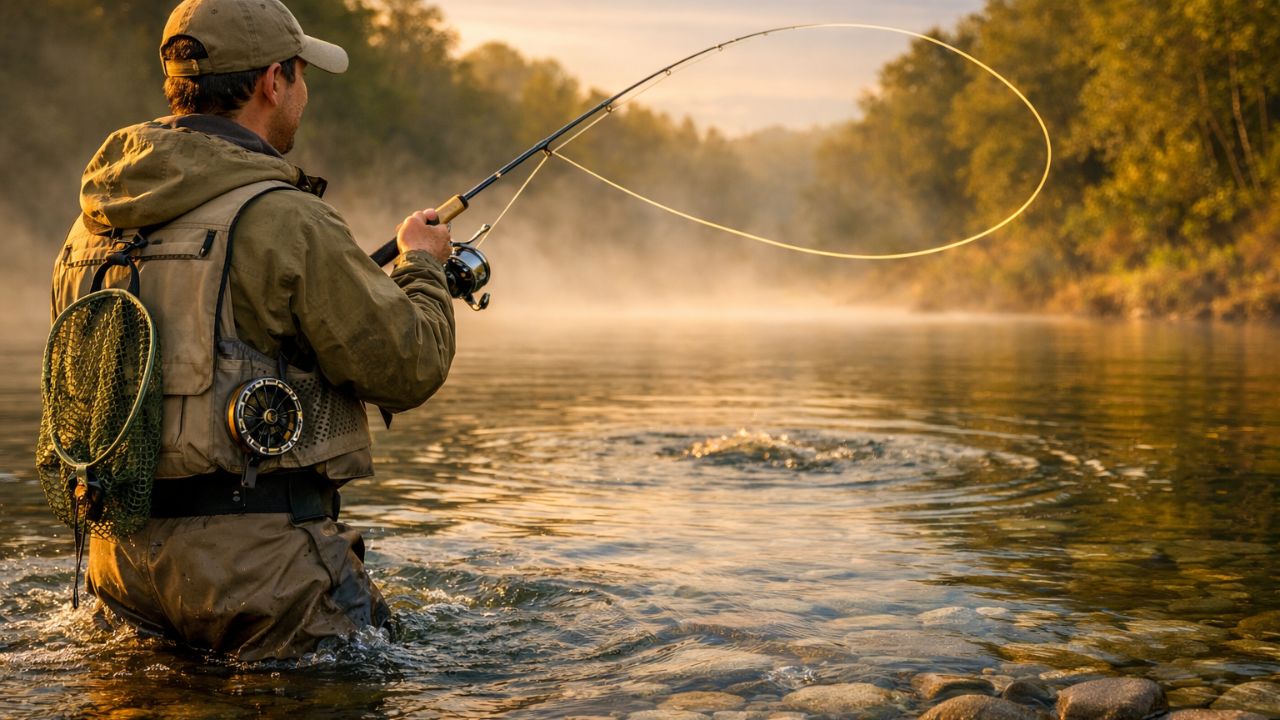
A person standing in shallow water. Smooth casting. The line is moving like it has a rhythm of its own.
But try it for the first time and things feel… different. The line tangles. The cast falls short. The fly lands nowhere near where it should.
And honestly, that’s completely normal.
People searching for fly fishing for beginners are usually curious but also a little unsure where to start. The gear seems different. The technique feels unfamiliar.
Here’s the thing, though. Once the basics click, it becomes surprisingly enjoyable. Let’s break it down in a way that actually makes getting started easier.
What Even Is Fly Fishing?
Fly fishing is different from traditional fishing in one fundamental way: instead of casting a weighted lure, the angler casts the fly line itself. The line is thicker and heavier, designed to carry a lightweight artificial fly through the air. The whole goal is to mimic insects or small creatures
What Equipment Do You Need to Know How to Fish for Bass Successfully?
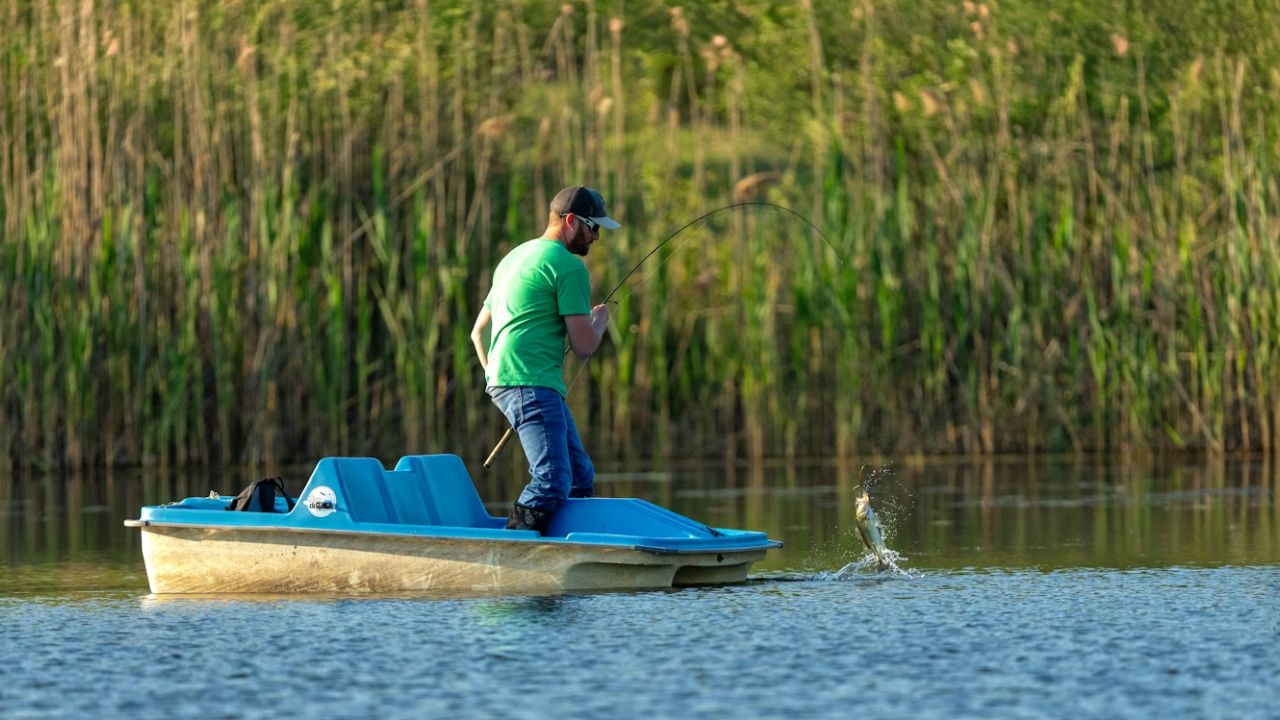
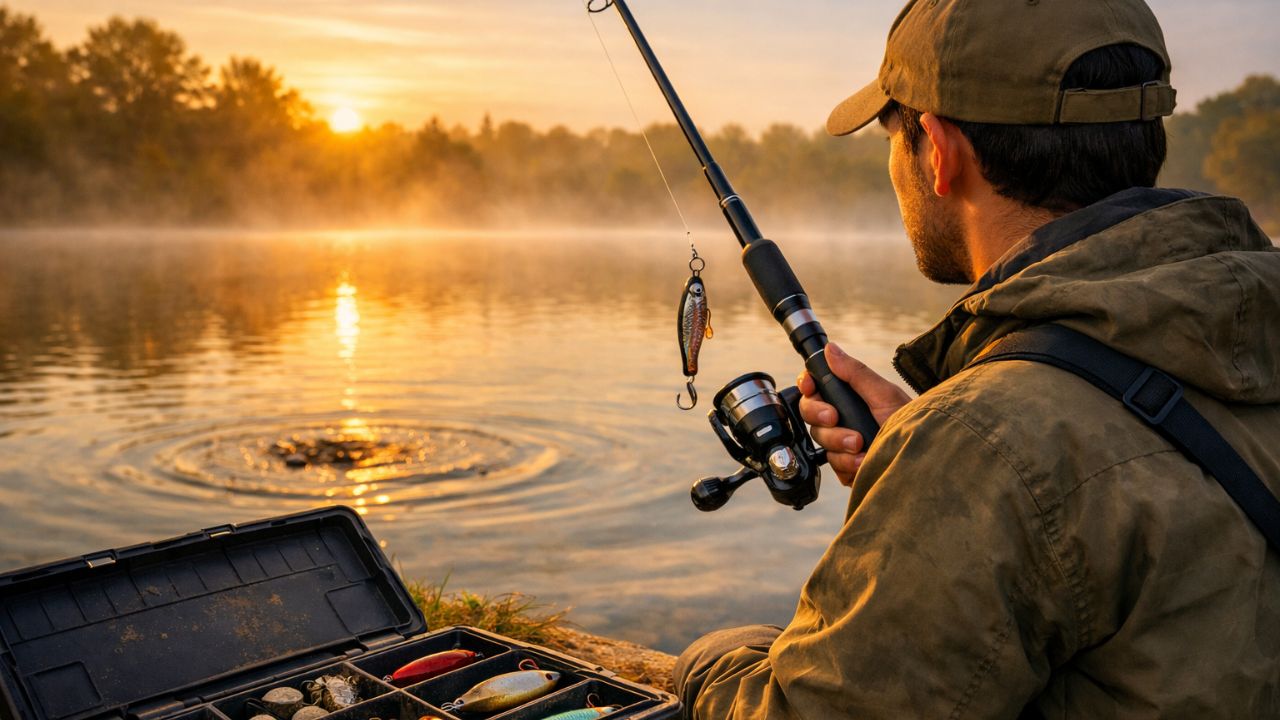
Bass fishing sounds simple until you're standing at the water's edge with the wrong gear, getting absolutely nothing. No bites. No strikes. Just a quiet lake and a growing sense that maybe everyone else knows something you don't.
Here's the thing. Learning how to fish for bass isn't just about reading the water or knowing when to go out. It starts earlier than that. It starts with gear. Get the equipment right, and everything else suddenly clicks into place. Get it wrong, and even perfect conditions won't save you.
This guide breaks down exactly what equipment matters, why it matters, and what to actually look for when buying it.
Quick Gear Summary: Bass Fishing Starter Kit
Rod: 6–7 ft, medium-heavy, fast action Tip: Spinning rod is easiest to start
Reel: Spinning reel, size 4000–5000 Tip: Avoid baitcasting until comfortable
Line: 8–14 lb monofilament Tip: Add fluorocarbon leader for clarity