




What Should Be on Your Ultimate Hunting Checklist Before Every Season?
Opening day disaster stories are everywhere. The hunter who drove three hours only to discover expired tags. The guy whose rifle scope shifted during transport. The group that showed up without proper game bags watched meat spoil.
These aren't isolated incidents. They happen every single season because people skip the boring preparation work. Having a solid hunting checklist means the difference between capitalizing on opportunities and telling "what if" stories around the campfire.
Documentation Comes First (Even Though Nobody Wants to Deal With It)
Game wardens don't care about excuses. "I forgot" or "it's on my phone, but no signal" won't cut it when they're writing citations.
The essentials:
- Valid hunting license with current dates verified
- Species-specific tags matching what's being pursued
- Hunter safety certification where required
- Photo copies as backup in waterproof bags
Some states now use digital systems, which sounds convenient until cell service disappears five miles from the trailhead. Physical copies should always ride along. Keep them in a ziplock bag inside the pack. Water, sweat, and weather will destroy paper faster than expected.
Weapon Maintenance Gets Skipped Way Too Often
Rifles don't stay zeroed forever. Temperature swings affect scope mounting. Bumpy roads to remote hunting areas shake things loose. That "good enough" mentality from last season can mean missing shots this year.
Smart preparation means a minimum of 3 weeks of range time before the opener. Check scope rings for tightness. Verify zero at multiple distances. Make sure the action cycles smoothly, and the safety engages properly.
Cleaning supplies matter too. Basin Sports stocks Birchwood Casey products - bore brushes in every caliber, quality solvents, and proper lubricants. Cold-weather hunting needs different oils than September dove hunting. Heavy oils turn to sludge when temperatures drop below freezing.
Bow hunters face different challenges. String wax prevents fraying. Broadheads need surgical sharpness, not kitchen knife sharpness. Drawing weight should be verified because muscle memory fades over eight months. Guys who shot 70 pounds comfortably last November often struggle by opening day if they haven't been practicing.
Clothing Systems That Actually Work
Cotton is trash for hunting. Period.
Base layers need to wick moisture, not hold it. Synthetic materials or merino wool work because they pull sweat away from the skin and dry quickly. When hiking steep terrain before dawn, then sitting motionless in freezing temps, that moisture management becomes critical for survival.
Mid-layers provide insulation without bulk. Fleece jackets work well. Synthetic puff jackets retain warmth even when damp. Down offers impressive warmth-to-weight ratios but becomes useless when wet unless it's treated.
Outer shells must block wind and shed precipitation while staying quiet. Those high-tech rain jackets that sound like potato chip bags? Terrible for hunting. Every movement alerts the game within 100 yards.
Basin Sports carries proper hunting boots from Danner and Muck Boots. These aren't fashion statements. Danner boots provide ankle support for rough terrain and nasty sidehills. Muck Boots offer waterproofing that actually works when crossing creeks or hunting in wet conditions.
The rule for insulation: rate boots 20 degrees below expected temperatures. Feet get cold fast when sitting still, and cold feet end hunts early.
Quality gloves that allow trigger finger movement. Warm socks with extras in the pack. Hats that cover ears without blocking hearing or interfering with rifle stocks.
Navigation Equipment For When Things Go Wrong
Everyone's sense of direction works great until it doesn't. Familiar terrain looks completely different under snow cover or in darkness. That confident "I know where I am" feeling evaporates quickly in the backcountry.
Phones with GPS apps like OnX Hunt are fantastic - when they work. Battery life drops fast in cold weather. Screens crack. Service disappears. Downloading offline maps before leaving cell coverage is mandatory, not optional.
Physical topographic maps and compasses still belong in every pack. These tools work regardless of battery status, temperature, or satellite connection.
The Garmin InReach Messenger changes the game for serious backcountry hunters. Satellite communication works anywhere on the planet. Two-way texting means coordinating with hunting partners miles apart. The SOS feature provides a real emergency response capability that could legitimately save lives.
Quality Optics Separate Successful Hunters From Everyone Else
Cheap binoculars mean missed opportunities. Animals get spotted late or not at all. Shot distances get misjudged.
Western hunters in open country need 10x42 or 12x50 binoculars for glassing distant ridges and basins. Higher magnification helps, but it also amplifies hand shake and narrows the field of view. Finding the right balance matters.
Timber hunters work at closer ranges with more obstacles. An 8x42 configuration provides wider viewing angles for scanning through trees and brush.
Rangefinders eliminate guessing games with distance. Modern laser units work reliably past 1,000 yards. Most hunting shots happen much closer, but knowing exact yardage removes a critical variable when setting up. Angle compensation features become essential in mountain terrain, where uphill and downhill shots change bullet trajectory.
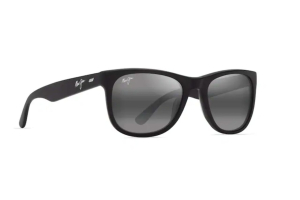
Basin Sports stocks quality optics that offer good magnification, objective lens size, and light transmission, which affect field performance. That expertise matters when making expensive purchases that should last decades.
Field Processing Equipment Can't Be Forgotten
Clean kills deserve proper care. Meat quality depends entirely on how it's handled in the field.
Sharp knives are mandatory. A fixed-blade hunting knife handles heavy work like opening body cavities and separating quarters. Smaller capping knives work for detail cuts. Folding saws make cutting through pelvic bones and rib cages easier.
Dull knives make everything harder and more dangerous. They slip. They require more pressure. They create rough cuts that damage meat. Sharpening stones or pocket sharpeners should ride in every pack.
Game bags protect meat while allowing air circulation. Cheap cotton bags hold moisture and attract flies. Quality hunting bags from Basin Sports breathe properly, keeping quarters clean during cooling. Elk hunters need larger bags than deer hunters. Having the right sizes prevents frustration when trying to bag quarters properly.
Rope or paracord has countless uses. Hanging meat. Dragging animals. Securing loads. Emergency repairs. Carry at least 50 feet of quality rope, not hardware store twine that breaks under load.
Nitrile gloves keep blood off hands and reduce disease transmission. Pack extras because they tear easily, especially in cold weather when materials become brittle.
Survival and Emergency Gear Nobody Wants to Carry (Until They Need It)
Weather changes fast in hunting countries. Perfect conditions can deteriorate into survival situations within hours.
First aid kits for hunting look different than home kits:
- Tourniquet for serious bleeding (know how to use it)
- Pressure bandages for wound management
- Moleskin because blisters end hunts
- Pain relievers for when bodies protest the abuse
- Antibiotic ointment and various bandage sizes
Fire-starting materials that work when wet. Waterproof matches, lighters, and petroleum-soaked cotton balls sealed in waterproof containers. Hypothermia doesn't care about being prepared or not.
Water filtration devices prevent Giardia and other parasites from ruining hunts. Crystal-clear mountain streams often harbor invisible threats. Sawyer filters and LifeStraw devices weigh almost nothing but provide safe drinking water from any source.
Emergency shelter might be just a bivy sack or space blanket. Something that provides protection from wind and precipitation while retaining body heat. Weather can trap hunters miles from vehicles overnight.
Headlamps with extra batteries. Dawn comes later, and dusk arrives earlier than remembered. Stumbling through darkness creates unnecessary risks and spooks the game.
Food and Water Strategy
Hunting burns calories aggressively. Hiking steep terrain, maintaining body temperature in cold weather, and operating on adrenaline all demand fuel.
Calorie-dense foods work best:
- Nuts and trail mix
- Jerky
- Energy bars
- Peanut butter
These don't require cooking or preparation. Quick calories when needed most.
Hydration remains critical even in cold weather. Dehydration impairs judgment and physical capability. Insulated water bottles or hydration bladders with insulated tubes prevent freezing when temperatures drop.
Hand and toe warmers provide cheap insurance against miserable conditions. Chemical warmers activate when exposed to air and provide hours of heat. Numb fingers can't operate rangefinders or safeties.
Ammunition Selection Matters
Beyond just having bullets, the right ammunition for specific games makes enormous differences.
Berger bullets available at Basin Sports have earned a reputation among serious hunters. VLD (Very Low Drag) hunting bullets provide exceptional accuracy with devastating terminal performance. The 6.5mm 130-grain and 6mm 95-grain options work reliably on everything from antelope to elk with proper shot placement.
Pack sufficient ammunition without carrying excessive weight. One full box provides enough for verifying zero upon arrival, plus hunting rounds throughout the season.
Store ammunition properly. Waterproof containers protect from moisture and temperature extremes that affect reliability and accuracy.
Putting Everything Together
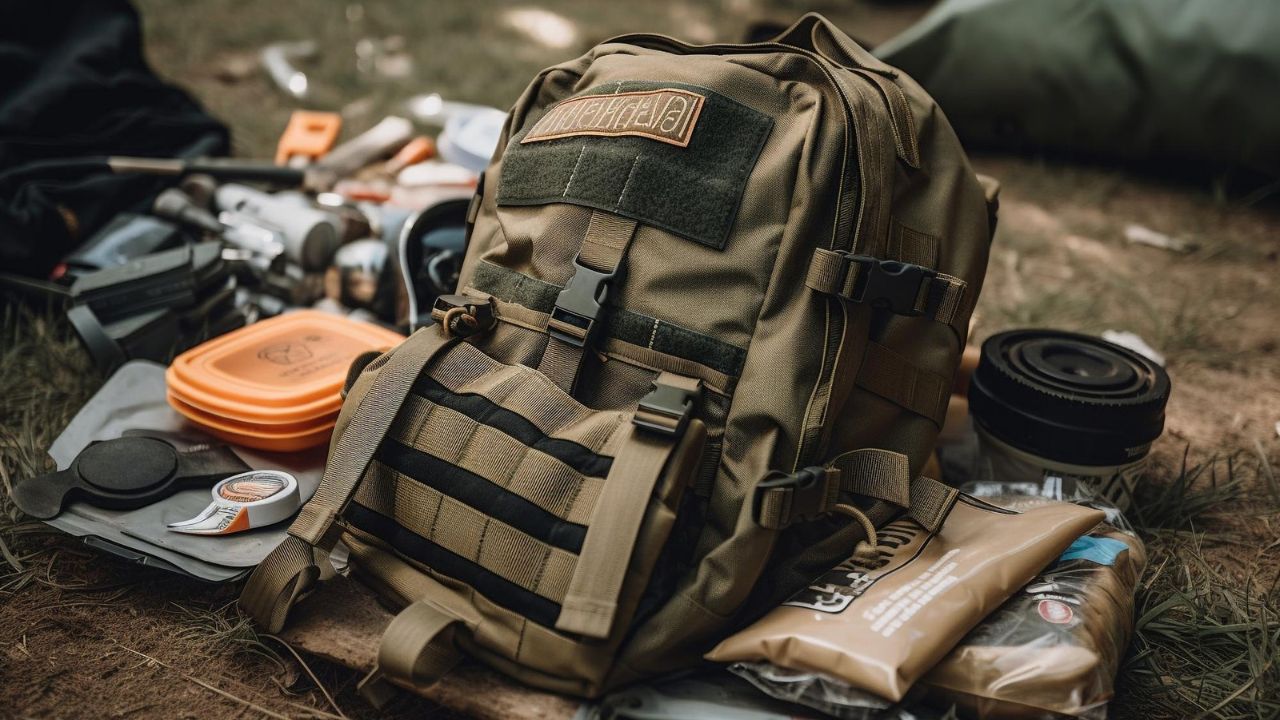
This comprehensive hunting checklist seems overwhelming at first glance. Every item serves specific purposes based on real field situations hunters encounter.
Start preparation at least one month before the season opens. Not the week before. Not three days out. A month provides time to discover boots need resoling, sleeping bags have damaged zippers, or rifle scopes have problems.
Basin Sports has outfitted hunters since 1956. Nearly 70 years of understanding what actually works versus what just looks good in catalogs. Our staff hunts the same terrain, faces identical weather, and pursues the same animals. That local knowledge, combined with access to quality gear from major manufacturers, creates advantages that online shopping simply cannot match.
The difference between average hunts and successful ones usually comes down to preparation. This hunting checklist won't guarantee tags get filled, but it absolutely ensures readiness when opportunities present themselves. That preparation justifies the time investment every single season. Starting with proven gear from knowledgeable local outfitters sets up success from the beginning.
Frequently Asked Questions
How far in advance should hunters start preparing their hunting checklist?
Start at least one month before opening day to identify missing gear, make repairs, and verify rifle zero. Waiting until the week before means paying for overnight shipping and settling for whatever's available instead of what actually works.
What's the most commonly forgotten item on hunting checklists?
Game bags get forgotten constantly, followed by extra batteries and physical map backups. These items seem minor until a successful hunt turns into spoiled meat or getting lost because phone batteries die in cold weather.
Do hunters really need both digital and physical navigation tools?
Yes, because phone batteries drain fast in cold weather and screens crack easily in the field. Paper maps and compasses work regardless of temperature, battery status, or satellite connectivity when things go wrong miles from the trailhead.