




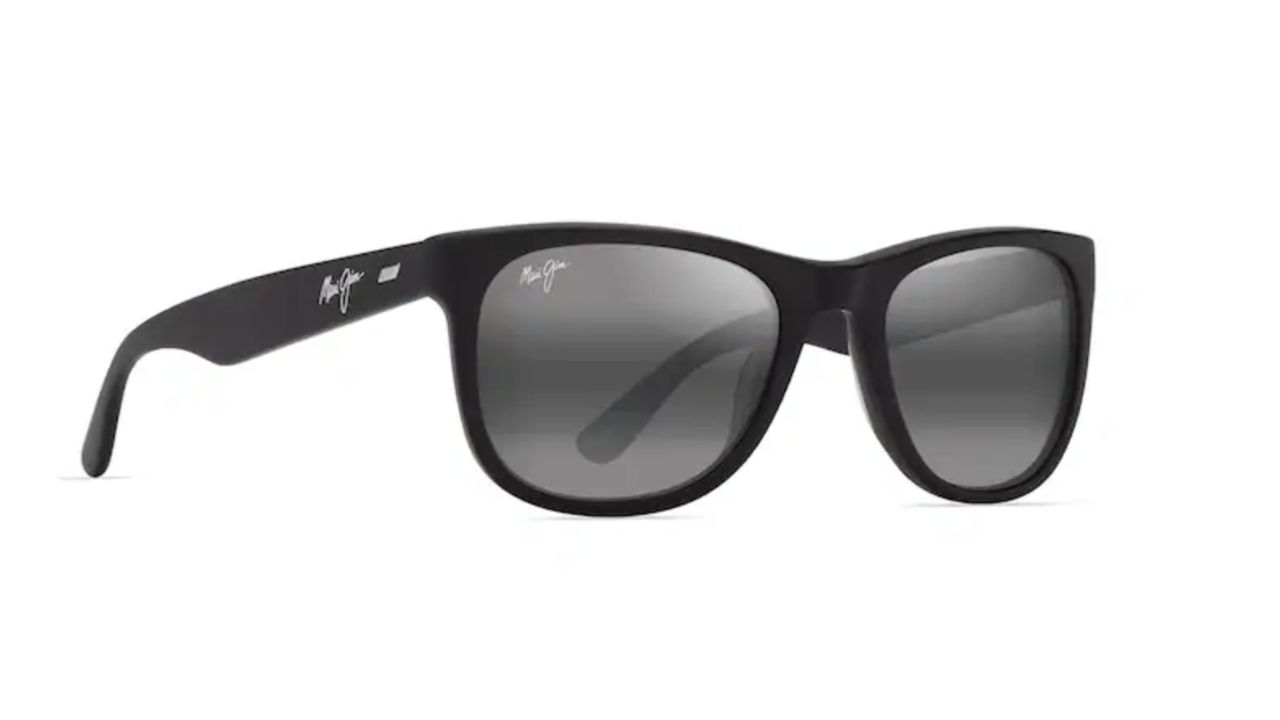
Polarized vs Non-Polarized Sunglasses: 5 Secrets Before You Buy
Polarized lenses cut glare, while non-polarized lenses don't, and that single difference decides almost everything else about which pair you actually want. Sounds simple. But polarized vs non polarized sunglasses become more nuanced once you dig into where each one falls short, the stuff most shopping guides skip right past.
Here is what actually changes which pair ends up on your face.
Quick Version: How Polarization Actually Works
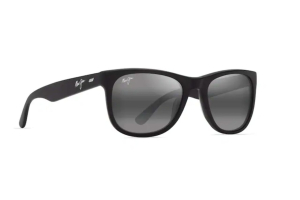
Picture vertical blinds on a window. Light comes through the gaps in thin vertical slivers, not all at once. Polarized lenses do something similar. They are laminated with a filter that only lets vertical light through and blocks the horizontal glare bouncing off flat surfaces like water, roads, and snow. Non-polarized lenses skip that filter and just dim everything evenly instead.
That is really the whole mechanism. Everything below is just where that difference actually matters in real life.
Secret 1: Both Protect Your Eyes the Same Way
Feature: UV protection
Polarized: Same, if properly rated
Non-Polarized: Same, if properly rated
Feature: Glare reduction
Polarized: Strong
Non-Polarized: Minimal
Feature: Price
Polarized: Higher
Non-Polarized: Lower
Feature: Screen visibility
Polarized: Can distort
Non-Polarized: Clear
Polarization itself doesn't improve UV protection; it simply reduces glare and improves visual comfort. It is purely about comfort in glare-heavy conditions. So if you are deciding based on eye safety alone, either works fine as long as the UV rating is solid. It is an easy assumption to make. Because polarized lenses cost more, many people assume they provide extra eye protection. They are not. They are just more comfortable in the right conditions.
Secret 2: Polarized Lenses Can Mess With Your Screens
Ever put on nice polarized shades and suddenly your phone looks weirdly dark, or your car's dashboard display goes nearly invisible? That's polarization doing exactly what it is built for, just somewhere you didn't expect it.
A lot of LCD and LED screens use polarized light themselves, and when that overlaps with polarized lenses, the display can dim or distort entirely. This is worth considering if you are constantly checking a phone, GPS, or dashboard while wearing shades; gas pump screens, ATMs, and some car infotainment systems can all look partially blacked out.
Secret 3: Polarized vs Non-Polarized Sunglasses for Driving Isn't a Simple Answer
For most daytime driving, polarized sunglasses are excellent because they reduce glare from roads and other vehicles. Cuts glare off the road, other cars, wet pavement, genuinely reduces eye strain on a long drive. If bright afternoons have ever made you squint through your commute, polarized glasses solve that specific problem well.
Night driving changes the equation, though. Neither polarized nor non-polarized sunglasses are recommended for night driving because tinted lenses reduce visibility in low-light conditions. Same with icy roads, polarized glasses can actually hide the subtle sheen that gives ice away. Drive a lot at night or through winter? Keeping a non-polarized pair around isn't overkill, it's just smart.
Secret 4: The Price Difference Is Real
Polarized lenses genuinely cost more to make, since they need an added filtering layer laminated in. Not a made-up premium, real production complexity, which is why some budget brands skip polarization to keep costs down.
Are they worth paying for? If you are near water, driving, or in bright open spaces regularly, yes, almost certainly. Mostly running errands and short walks? A solid non-polarized pair might serve you just as well for less. Basin Sports carries polarized and non-polarized sunglasses from trusted brands like Oakley, Maui Jim, Smith, Suncloud, Ray-Ban, and Blenders, making it easier to compare lens options based on how you actually spend time outdoors.
Secret 5: Depth Perception Can Take a Small Hit
Some athletes prefer non-polarized lenses because reducing reflections from water, snow, or wet terrain can occasionally make certain surface details harder to notice, affecting depth perception when split-second judgment matters, think tennis, mountain biking, or fast trail running where a misjudged root or rock actually matters.
For most everyday wear, this is minor enough to notice. But competitive sport requires precise depth judgment. Hence, it is worth testing a pair before committing to polarized lenses on game day.
Quick Test: Is It Actually Polarized?
Not always obvious just by looking. Hold the lenses up to an LCD screen, your phone works fine, and tilt them slowly. If the screen darkens or shifts noticeably, they are polarized. The same trick works with another pair of known-polarized sunglasses held at an angle against yours.
So, Which One Should You Actually Buy?
Does glare from water, roads, or snow bother you regularly? Polarized solves that better than anything else out there. Mostly casual daily wear, or need clear vision on icy roads and at night? Non-polarized might actually serve you better.
Plenty of people end up owning both, one pair for bright days and driving and another for night or screen-heavy situations. Less about picking a winner, more about matching the lens to the moment. Basin Sports stocks both, and their sunglasses lineup makes comparing polarized vs non polarized sunglasses easy instead of guessing from a product photo.
When comparing polarized vs non-polarized sunglasses for driving, think beyond glare. It really comes down to matching the lens to how you actually spend your time outside. Basin Sports has built their sunglasses selection around exactly that kind of variety.
So, when was the last time glare actually ruined your day outside, and would the right lens have fixed it?
FAQs
- Why are polarized sunglasses more expensive everywhere?
The manufacturing process itself adds cost, laminating that filtering layer in isn't cheap; regardless of brand. - Do polarized lenses wear out or lose effectiveness over time?
Yes, eventually. Heat, age, and wear can degrade the film slightly, though quality pairs hold up for years. - Is polarized always the better pick outdoors?
Not always. Water sports and driving benefit hugely, but icy terrain or activities needing sharp depth perception sometimes favor non-polarized instead.