

9 Must-Have Gear Items for Fly Fishing for Beginners
Walk into any fly shop as a beginner, and the gear wall alone will make you want to turn around and go home. Hundreds of fly patterns. Rods in every length and weight. Waders that cost more than a car payment. It’s a lot. And nobody really warns you about that part.
But here’s the thing: fly fishing for beginners doesn’t have to start with a $2,000 gear haul. Strip it down to what actually matters, and you’ve got maybe nine items that cover almost every situation you’ll run into on the water. Get those nine things right, and the rest figures itself out.
This list is built for people who are actually starting from zero, not people who already know what a 4X tippet is and just want a second opinion.
First, Why Does Gear Even Matter This Much?
Good question. Fly fishing is weird compared to other types of fishing because the line is what carries the fly through the air, not the lure’s weight. Your fly weighs almost nothing. So if the rod, line, and reel aren’t properly matched, the whole system falls apart before you even start learning to cast. Which is frustrating in a way that makes people quit.
Getting the right setup from day one builds better habits faster. Simple as that.
1. Fly Rod
For fly fishing for beginners, the universal recommendation is a 9-foot, 5-weight rod, and honestly, that recommendation exists for good reason. It’s not exciting advice, but it works. A 9-foot 5-weight handles small rivers, mid-sized streams, trout in most situations, and moderate casting distances without punishing you for mistakes the way a stiffer or faster rod would.
Medium-fast action is the sweet spot. Fast-action rods are sensitive and great for experienced casters, but they’re unforgiving when your timing is off (and your timing will be off, at first, everyone’s is).
What to look for in a beginner fly rod:
- 9-foot length, handles most freshwater situations
- 5-weight rating, not too stiff, not too soft
- Medium-fast action, more forgiving to learn on
- Graphite construction, lighter and stronger than fiberglass
Budget-wise, $80 to $250 covers a solid range of beginner rods that will genuinely perform well. Spending more than that before you’ve got the cast dialed in? Probably not worth it yet.
2. Fly Reel
Here’s something the gear world doesn’t say enough: for trout fishing on most rivers, the reel is mostly just a place to store your line. It matters, but not as much as the rod. That said, a smooth drag system becomes very important the moment a bigger fish takes your fly and starts running. Ask anyone who’s had a reel seize up at exactly the wrong moment.
Match the fly reel size to your rod weight. A 5-weight rod gets a 5-weight reel. Large arbor designs retrieve lines faster, which is handy. And if you’re buying your first setup, a pre-spooled rod and reel combo eliminates so much guesswork that it’s genuinely the smartest first purchase.
3. Fly Line
The fly line is thick, heavy, and coated because it has to be. It’s doing the work of getting a nearly weightless fly across a river. The most beginner-friendly option, full stop, is a weight-forward floating line matched to your rod weight. 5-weight rod, 5-weight line. That’s it.
A lot of beginners don’t realize that bright colored lines (yellow, orange) actually help when you’re learning. You can track where the line is on the water, which makes reading your drift a whole lot easier.
Line types and when they make sense:
Weight-Forward Floating
Best For: Rivers, dry flies, nymphs
Right for Beginners?: Yes, start here
Double Taper
Best For: Delicate presentations
Right for Beginners?: Intermediate
Sinking Line
Best For: Deep water, streamers
Right for Beginners?: Not yet
Sink-Tip
Best For: Mixed conditions
Right for Beginners?: Intermediate
Don’t overthink it. Floating line, weight matched to your rod, bright color if available. Done.
4. Leader and Tippet
The leader is the clear monofilament section that bridges your fly line to the fly. It tapers from thick at the line end to thin at the fly end, which helps the whole thing turn over properly during a cast. Tippet is the additional clear line you tie onto the end of the leader to extend its life and adjust how delicate the presentation is.
For a basic trout setup, a 9-foot tapered leader ending in 4X or 5X tippet covers most situations you’ll encounter. Tippet gets replaced constantly (every time you tie on a new fly, you lose a bit of length) so buy a small spool of 4X and 5X right off the bat.
Tippet size quick reference:
2X
Diameter: .009"
Use It For: Large streamers, bass
3X
Diameter: .008"
Use It For: Bigger nymphs, large trout
4X
Diameter: .007"
Use It For: General trout fishing
5X
Diameter: .006"
Use It For: Dry flies, cautious trout
6X
Diameter: .005"
Use It For: Small flies, clear calm water
Always add a tippet to your leader rather than cutting directly from it every time you change flies. Your leader lasts way longer that way, and leaders are more expensive than tippets.
5. Flies
This is the section where fly shops can accidentally (or not so accidentally) talk beginners into buying six fly boxes they’ll never open. Don’t do that. Five proven patterns will cover the overwhelming majority of trout fishing situations in moving water.
The only five flies a beginner actually needs:
- Woolly Bugger (sizes 6-10): Imitates baitfish, leeches, and basically anything meaty moving through the water. Catches fish in off-color conditions when nothing else seems to work. Surprisingly effective year-round.
- Pheasant Tail Nymph (sizes 14-18): One of the best trout nymphs ever tied. Dead-drifted near the bottom on almost any river, it just works.
- Parachute Adams (sizes 14-18): The all-purpose dry fly. Imitates enough different insects that you don’t need to know exactly what’s hatching.
- Elk Hair Caddis (sizes 14-16): Floats well and imitates caddis flies, which hatch heavily on most rivers throughout the season.
- Copper John (sizes 14-18): Dense, sinks fast, and works almost everywhere as a dropper fly beneath a dry fly.
And look, at the beginner stage, presentation matters more than pattern selection anyway. A perfectly drifted Pheasant Tail in the right seam will outfish a rare pattern cast sloppily every single time.
6. Waders and Wading Boots
Not every angler needs waders immediately. But anyone fishing rivers with any real depth or current will hit a point pretty fast where standing on the bank just doesn’t cut it. Wading opens up access to the best holding water, and honestly, there’s something about being in the river that makes the whole experience feel different.
Neoprene vs. Breathable waders:
Neoprene
Good For: Cold water, winter fishing, durable
The Downside: Bulky, hot in warmer temps
Breathable
Good For: Most conditions, comfortable year round
The Downside: More expensive upfront
Breathable waders (Gore-Tex or similar fabrics) are a better long-term investment because they work in warm weather without making you feel like you’re in a sauna. Neoprene is worth considering if most fishing happens in cold water or winter conditions.
For boots: rubber soles are the safe choice. Felt soles grip slippery rock better, but they’re banned in a growing number of states because they can carry invasive species between watersheds. It's worth checking local regulations before you buy.
7. Polarized Sunglasses
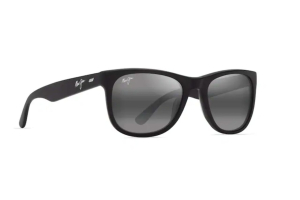
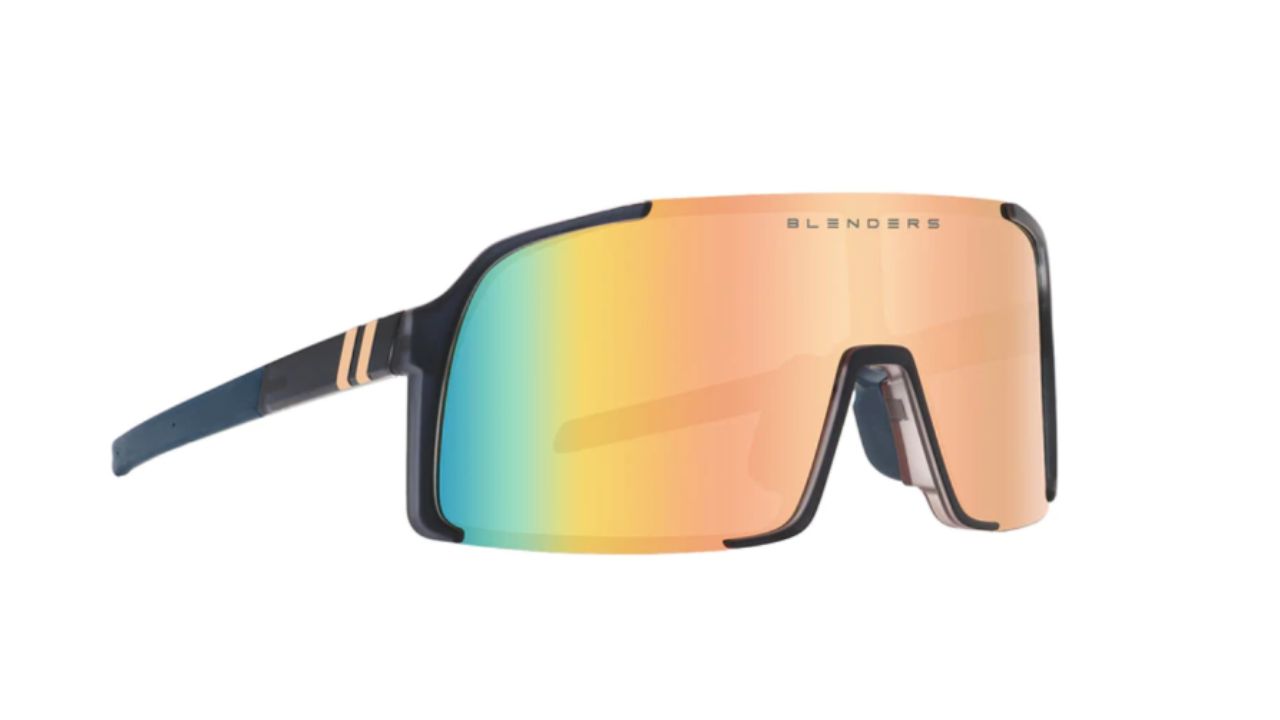
Polarized sunglasses get lumped in with general outdoor gear, but for fly fishing specifically, they’re closer to a piece of essential equipment. Cut the glare off the water surface, and suddenly you can see into it. Fish holding in a current seam. A big trout nosed up against a boulder. Structure, depth changes, and feeding lanes. All of it is hidden behind the reflected sky until the polarization kicks in.
Plus, you’re moving sharp hooks through the air at speed during every single cast. Eye protection isn’t optional.
Amber or copper lenses handle variable light well. Gray or brown lenses are better for bright sunny days. Wraparound frames make a noticeable difference in coverage, and most experienced anglers won’t fish without them.
8. Landing Net
A net feels like an optional accessory right up until there’s a fish on the line, and suddenly nowhere good to put it. Then it becomes the most important thing you forgot to buy.
A rubberized mesh net is the right call for trout fishing. Rubber mesh is significantly gentler on fish scales and protective slime coats than traditional knotted nylon, which matters for catch-and-release (and most trout fishing is catch-and-release).
A magnetic release clip that attaches to a vest or chest pack means the net hangs out of the way until you need it, then deploys instantly. That detail sounds minor until you’re trying to land a fish with one hand and unhook a net clasp with the other.
9. Vest or Chest Pack
Fly fishing involves constant access to small things. Flies, tippet, nippers, forceps, floatant, strike indicators, snacks (this matters more than people admit on long days). A vest or chest pack keeps all of it organized and reachable without hiking back to the bank every time you need something.
Which carrying system makes sense:
Fishing Vest
Works Best For: Maximum storage, easy access
The Tradeoff: Can run hot in summer
Chest Pack
Works Best For: Lightweight, stays above waterline when wading deep
The Tradeoff: Less overall storage
Hip Pack
Works Best For: Warm weather, short sessions
The Tradeoff: Very limited capacity
Chest packs have become the go-to option for a lot of wading anglers, specifically because they stay out of the water when you’re wading deep. For most beginner setups, a chest pack with three or four compartments hits the right balance between enough storage and staying comfortable all day.
A Few Things to Add Once You’ve Got the Basics
Once that core gear list is covered, a handful of smaller items start showing up pretty quickly:
- Strike indicators: Essentially, bobbers for nymph fishing. They make detecting subtle strikes dramatically easier.
- Split shot weights: Get nymphs down in the water column fast without needing a sinking line.
- Forceps or hemostats: Remove hooks cleanly without hurting the fish or your fingers.
- Line nippers: Small cutters for trimming tippet knots. Doing it with teeth works in a pinch, but nippers are better.
- Floatant: A gel or liquid that keeps dry flies riding high on the surface instead of slowly waterlogging.
None of these are typically day-one purchases, but they show up in the gear bag within the first few trips.
Should You Just Buy a Starter Kit?
For most beginners? Yes, actually. A quality rod and reel combo that comes pre-spooled with matching line removes the biggest points of confusion right out of the gate. Components are already matched. Line weight is already sorted. The setup is genuinely easier.
The money saved on individual component research can go toward a guided trip or a casting lesson instead, which will accelerate the learning curve faster than almost any gear upgrade could.
The Bottom Line
Fly fishing for beginners is one of those things that feels massively complicated from the outside and then becomes surprisingly manageable once the basics click into place. Nine items, properly chosen, get any beginner on the water and catching fish without the overwhelm of trying to buy everything at once.
Start simple. Get on the water. The rest, including the gear obsession that comes with the hobby, develops naturally from there.
And if you need to see any of this gear in person before committing, come in and handle a few rods. Sometimes the right setup just feels right before you even make a cast.
FAQs
1. What is the best rod weight for fly fishing beginners?
A 9-foot-5-weight rod is widely recommended. It offers versatility for trout and general freshwater fishing while remaining easy to control.
2. Do beginners need expensive fly fishing gear?
Not necessarily. Mid-range quality gear provides reliability without high cost. Avoid the cheapest options, as they may reduce performance.
3. How important are waders for beginners?
Waders are important for comfort and safety, especially in cold water. They allow better positioning and longer fishing sessions.