If you've spent any time on the water, you've probably asked yourself, "What fishing line should I be using?"
It's one of those questions that can make or break your fishing trip, but you should know that there's no one-size-fits-all answer. The right fishing line depends on what you're after, where you're fishing, and how you like to fish!
In this guide, we'll tell you everything you need to know about fishing line types, when to use each one, and how to pick the perfect line for your next adventure.
You might also be wondering, “do fishing lures need weights?” So, we'll also cover some practical tips that'll help you avoid those frustrating line breaks when you've got a big one on the hook.
Why Your Fishing Line Choice Matters More Than You Think
Your fishing line is literally the one connection between you and the fish you’re trying to catch. At the same time, lures also matter. Adding weight to lures can improve casting distance and help you reach deeper. Fishing lure weights can
Fishing is a great way to enjoy nature while relaxing. If you want to catch fish, the first thing to know is how to tie your fishing lure correctly.
Learning to tie a fishing lure the right way ensures that your tackle works properly, making fishing more fun and successful. This guide is curated to show you the steps to tie a fishing lure and help you avoid common mistakes.
In addition, we’ll highlight some great lures you can use and why they work well in different fishing conditions. Let’s get started!
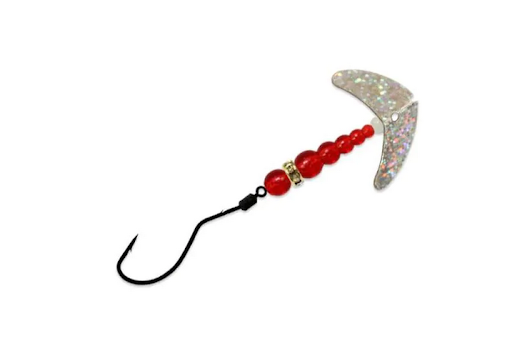
Mack's Lures Spindrift Trout 2 Spinner Lure 63404
Why Tying the Right Knot Matters
Tying the right knot for your fishing lure is key. If the knot is tied wrong, the lure can come off during casting or reeling. Also, it might not move in the water as it should.
Knowing how to tie a fishing lure properly ensures that the tied knot stays tight and the lure performs well, increasing chances of fishing success.