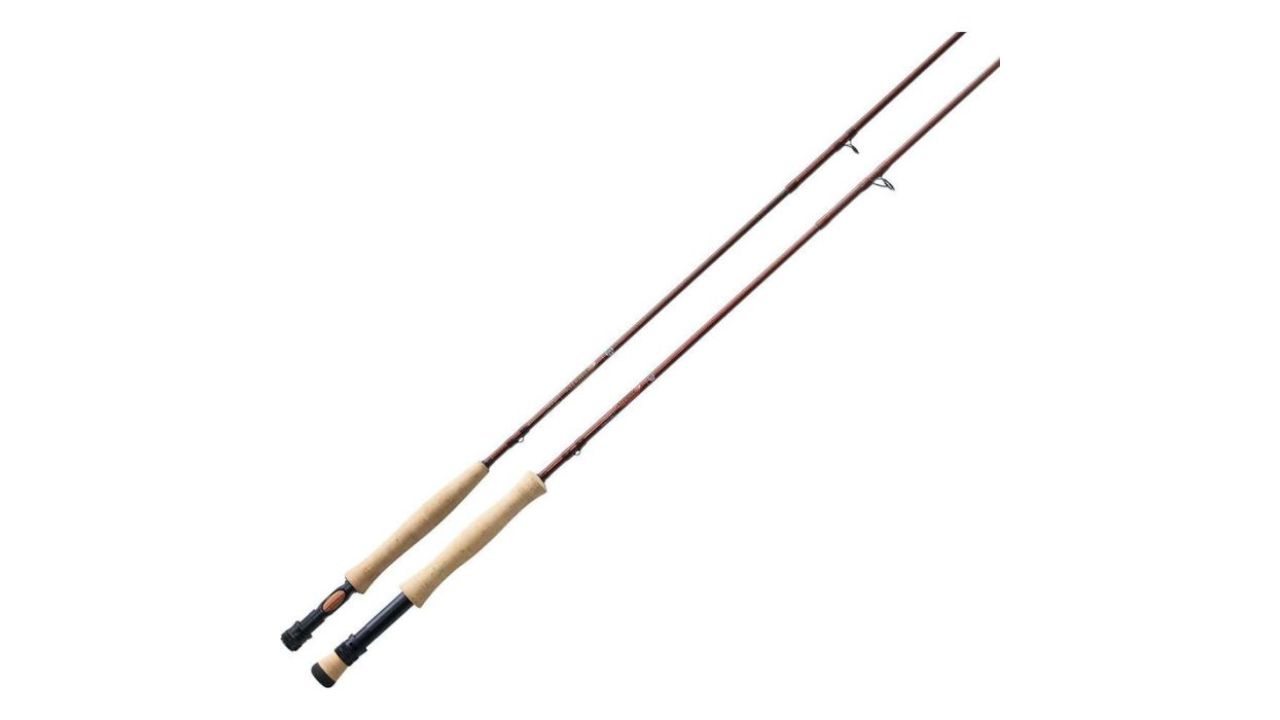
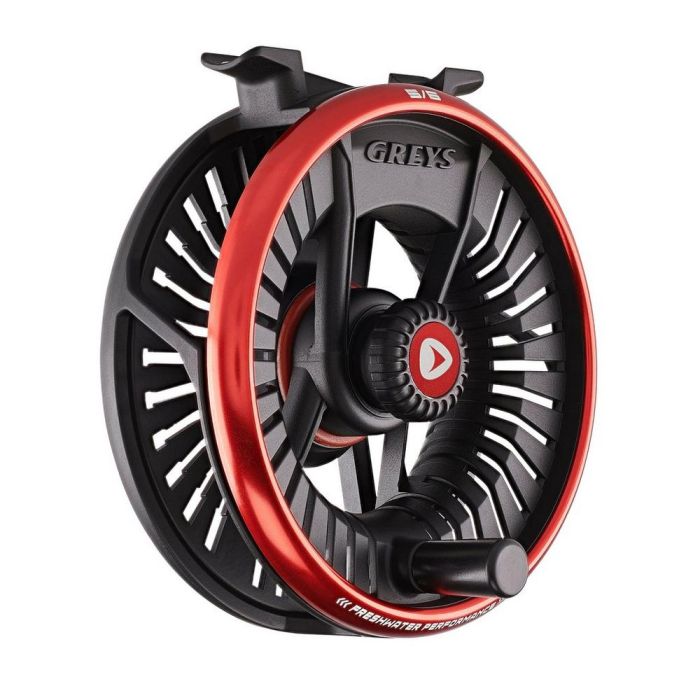
9 Must-Have Gear Items for Fly Fishing for Beginners
Walk into any fly shop as a beginner, and the gear wall alone will make you want to turn around and go home. Hundreds of fly patterns. Rods in every length and weight. Waders that cost more than a car payment. It’s a lot. And nobody really warns you about that part.
But here’s the thing: fly fishing for beginners doesn’t have to start with a $2,000 gear haul. Strip it down to what actually matters, and you’ve got maybe nine items that cover almost every situation you’ll run into on the water. Get those nine things right, and the rest figures itself out.
This list is built for people who are actually starting from zero, not people who already know what a 4X tippet is and just want a second opinion.
First, Why Does Gear Even Matter This Much?
Good question. Fly fishing is weird compared to other types of fishing because the line is what carries the fly through the air, not the lure’s weight. Your fly weighs almost nothing. So if the rod,
What Are the Step-by-Step Essentials for How to Field Dress a Deer Safely?
The shot was good. The deer is down. Heart's still pumping fast from the adrenaline.
Now what?
Here's the thing most hunting guides skip over: what happens in the next 30 to 45 minutes after the harvest matters just as much as the shot itself. Knowing how to field dress a deer isn't optional knowledge. It's the skill that decides whether you bring home incredible venison or a ruined animal and a season worth forgetting.
And yet, a surprising number of hunters head into the woods without ever really learning it properly. They watched a YouTube video once. They figure they'll wing it. That usually doesn't go well.
This guide covers the whole thing. Tools, safety, the actual cuts, and the mistakes that even experienced hunters make more often than they'd admit.
Why You Can't Wait on This
The clock starts the moment a deer drops. Body heat is the enemy of good venison, and bacteria don't take their time getting to
What Do You Need to Know About Fly Fishing for Beginners Before Hitting the River?
Picture this: a guy shows up at the river with brand-new waders, a rod still in its wrapper, and about twelve different fly boxes because the shop convinced him he needed one for every situation. Three hours later, he's untangling his line from a tree branch for the eighth time, wondering why those YouTube videos made everything look so simple.
That's the reality check nobody talks about. Fly fishing for beginners gets romanticized constantly. What doesn't get enough attention are the actual fundamentals that make or break those first experiences on the water. Skip the fancy terminology and expensive gear upgrades for now. What matters is understanding how this whole thing actually works before wading into that first stream.
Getting the Gear Situation Sorted Out
Walking into a fly shop can feel like stepping into a foreign country where everyone speaks a language that sounds vaguely familiar but makes no
What Should Be on Your Ultimate Hunting Checklist Before Every Season?
Opening day disaster stories are everywhere. The hunter who drove three hours only to discover expired tags. The guy whose rifle scope shifted during transport. The group that showed up without proper game bags watched meat spoil.
These aren't isolated incidents. They happen every single season because people skip the boring preparation work. Having a solid hunting checklist means the difference between capitalizing on opportunities and telling "what if" stories around the campfire.
Documentation Comes First (Even Though Nobody Wants to Deal With It)
Game wardens don't care about excuses. "I forgot" or "it's on my phone, but no signal" won't cut it when they're writing citations.
The essentials:
Valid hunting license with current dates verified
Species-specific tags matching what's being pursued
Picture this: you're two hours into what should've been a perfect camping trip, and you're already soaked through from sweat because you wore a thick hoodie. Or maybe you've woken up at some ungodly hour, teeth chattering, wishing you'd packed anything warmer than an old t-shirt. We've all been there, and honestly? Getting what to wear camping wrong can turn an adventure into something you'll want to forget.
The thing about camping is that Mother Nature doesn't send you a memo about her plans. Temperatures do this wild dance where it's 75 degrees at lunch and suddenly 40 degrees by the time you're trying to sleep. Your body's working overtime to regulate temperature, you're sweating during hikes, getting blasted by wind at elevation, and then there's unpleasant weather conditions.
But here's the good news. Once you understand how layering actually works (and I mean really get it, not just the theory), staying comfortable becomes way less mysterious. This isn't about buying the fanciest
Fly fishing looks calm from the outside. A quiet river. Slow movements. A line floating like it has a mind of its own.
But when someone actually decides to try it, the first feeling is rarely calm.
Confusion is very normal
There’s gear everywhere. Rods look similar but aren’t. Reels seem simple until they’re not. Lines have names that don’t explain much. Flies can look tiny and mysterious, like they’re part of a secret language no one bothered to translate.
That’s why understanding fly fishing for beginners starts with clarity. Not an overload. Not fancy setups. Just the essentials. The gear that actually matters. The gear that helps learning feel smooth instead of frustrating.
This guide breaks everything down in a way that makes sense. Piece by piece. So when it’s time to step into the water, the focus stays on the experience. Not second-guessing the equipment.
Why Fly Fishing Gear Feels Complicated at First
Fly fishing works differently from most other types of fishing.
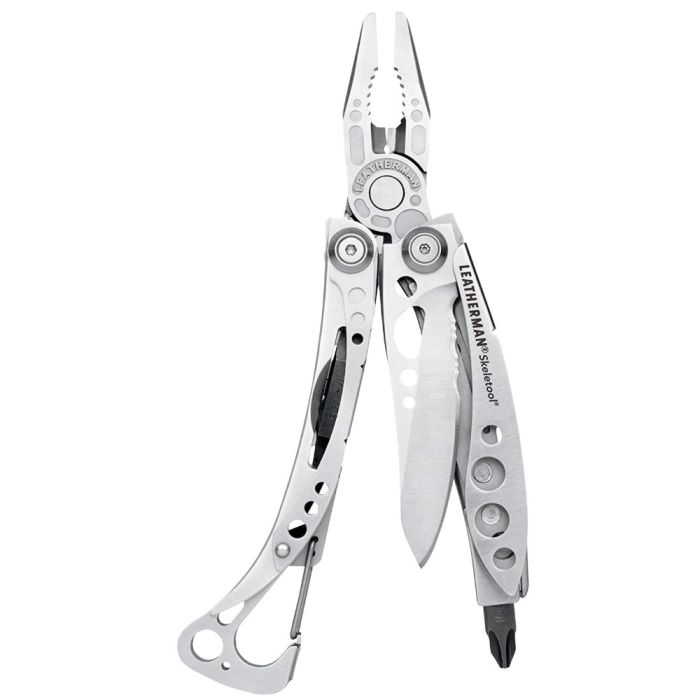
There’s something about being outdoors that makes every small task feel a little more important than usual. A loose tent pole. A stubborn zipper. A quick fix that can save the entire day from going sideways. Out in nature, the little things add up fast. And this is exactly where people begin asking what a multi-tool is used for when camping becomes more than just a weekend trip and turns into an experience that demands a bit of preparation.
A reliable tool suddenly becomes more than something sitting at the bottom of a backpack. It becomes the quiet helper that keeps the whole setup running smoothly. And once its purpose is truly understood, it becomes impossible to head outdoors without one.
First, Understand Why a Multi-Tool Is the Ultimate Camping Necessity
A quality camping multi-tool packs 12–25 functions into something the size of a granola bar. Pliers. Knife. Scissors. Screwdrivers. Saw. Awl. Can opener. Bottle opener (because morale matters). File. Wire cutter. The list keeps
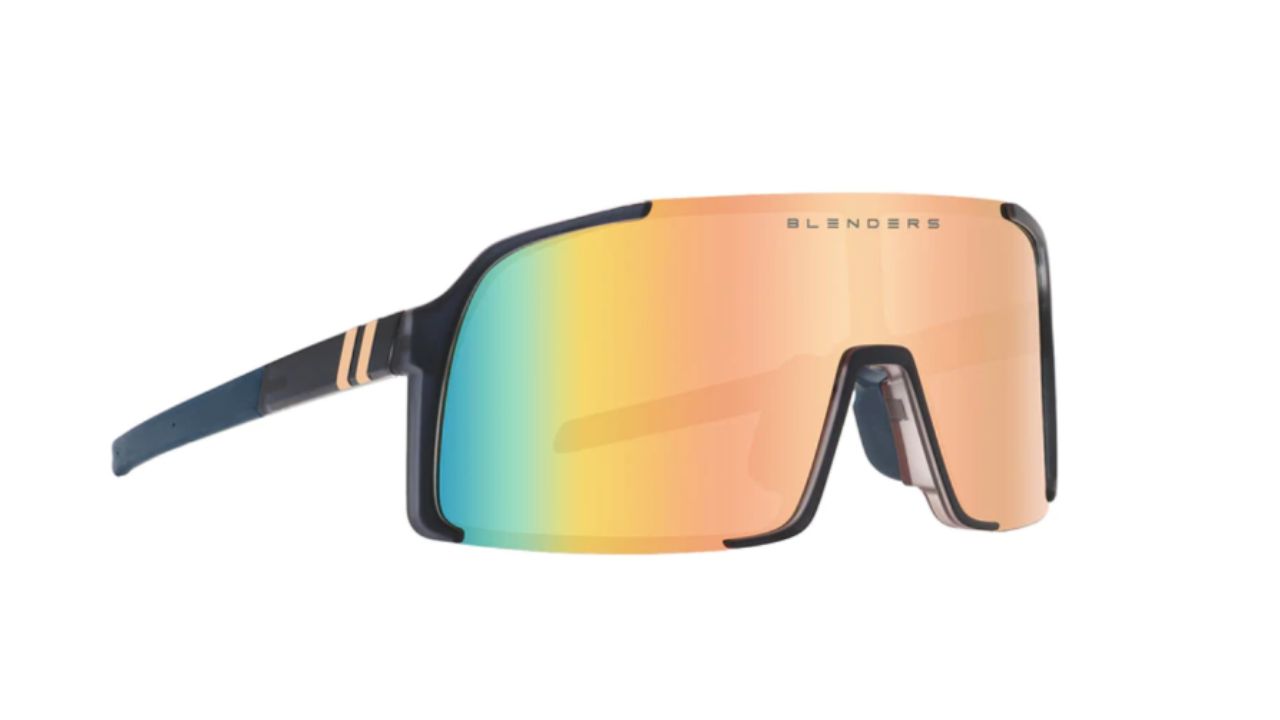
How to Remove Scratches from sunglasses safely without Damaging the Lensese
Every time it shows up, it is when things are already tough.
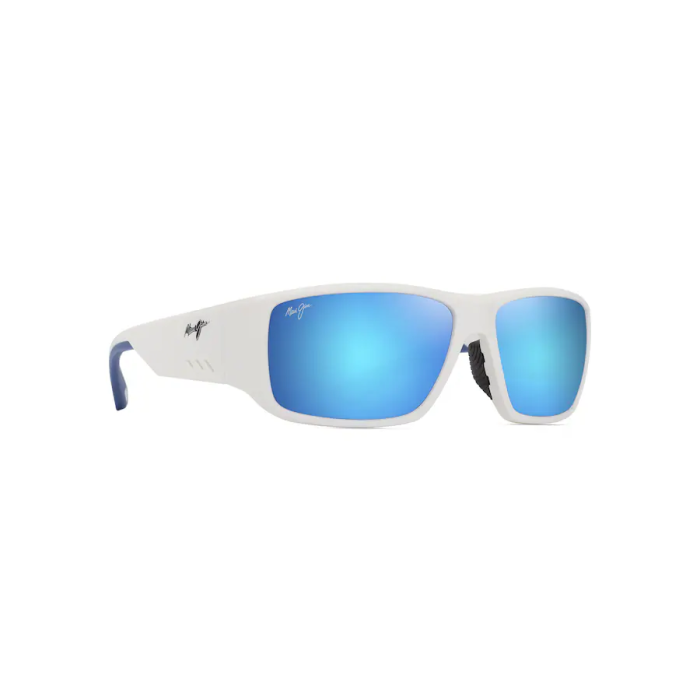
You’re yanking shades from a tote, grabbing them off the dash, or brushing salt spray after a killer afternoon on the lake… then - there it is. A sharp scratch glinting like a flaw in something once flawless. Instantly, the clear view they gave you turns fuzzy, annoying, and maybe even gives you a throb behind the eyes. It’s maddening. These glasses cost real money.
Sat right on your face, kill glare, make jeans and a tee feel stylish. Tossing ‘em? Nah, that just doesn’t sit right. Swapping them out costs a lot. The truth is? You feel connected somehow. These glasses saw each hike, every fishing trip, all those dawn climbs.
The great thing is this: nearly every scratch can fade a lot, or vanish; for good, no need to trash the lenses. Even cooler? You can handle it yourself using stuff you’ve got lying around at home. Just relax. Your go-to pair isn’t done
Fishing is more than just a sport. It’s a timeless art, a survival skill, and a peaceful escape from the modern world.
Across the globe, people engage in various fishing styles, each with its own techniques, tools, and objectives. In this detailed guide, we break down the five main types of fishing, offering valuable insight into what makes each one unique and how you can get started.
Whether you're a hobbyist, an adventurer, or a commercial angler, this guide provides everything you need to know.
1. Freshwater Fishing
Freshwater fishing is the most popular type of fishing in the world. It takes place in bodies of freshwater such as lakes, rivers, ponds, and streams. This style is ideal for both beginners and seasoned anglers due to its accessibility and the rich diversity of fish species available.
Key Features of Freshwater Fishing
Common Fish Species: Bass, trout, catfish, perch, and walleye
Popular Locations: Lakes, streams, ponds, reservoirs, rivers,
What Items Do I Need for Fishing? The Complete Angler’s Checklist
Fishing is more than just another pastime, it’s a tradition that connects you with nature and rewards you with both relaxation and excitement through adventure. Whether you’re planning a quiet afternoon by a lake, a deep-sea adventure, or a competitive sport-fishing trip, having the right fishing gear can make all the difference.
This comprehensive guide helps ensure that you’re properly prepared with all the essential tools, equipment, and accessories for a successful fishing experience, regardless of method or location. Whether you’re looking for fishing gear for beginners or advanced, keep reading to learn more.
Essential Fishing Gear Every Angler Must Have
Fishing Rod and Reel
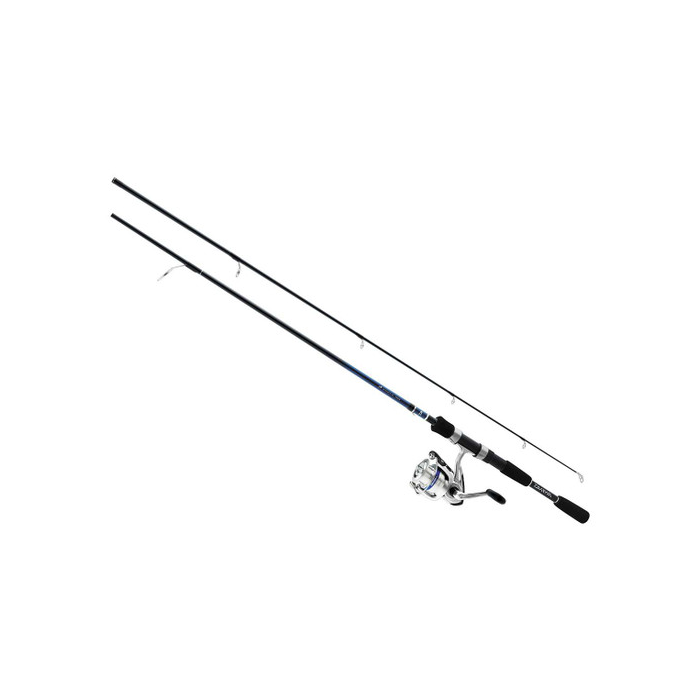
A fishing rod and reel form the heart of your fishing setup. Depending on the type of fishing, freshwater, saltwater, fly, ice, or surf, these tools vary in size, flexibility, and material.
Spinning Rods: Ideal as fishing equipment for beginners