

Fly fishing looks calm from the outside. A quiet river. Slow movements. A line floating like it has a mind of its own.
But when someone actually decides to try it, the first feeling is rarely calm.
Confusion is very normal
There’s gear everywhere. Rods look similar but aren’t. Reels seem simple until they’re not. Lines have names that don’t explain much. Flies can look tiny and mysterious, like they’re part of a secret language no one bothered to translate.
That’s why understanding fly fishing for beginners starts with clarity. Not an overload. Not fancy setups. Just the essentials. The gear that actually matters. The gear that helps learning feel smooth instead of frustrating.
This guide breaks everything down in a way that makes sense. Piece by piece. So when it’s time to step into the water, the focus stays on the experience. Not second-guessing the equipment.
Why Fly Fishing Gear Feels Complicated at First
Fly fishing works differently from most other types of fishing.
The weight used to cast doesn’t come from the lure. It comes from the line. That single detail changes everything about how the rod, reel, and line are designed to work together.
When beginners don’t understand that connection, gear choices can feel overwhelming. Once it clicks, everything becomes more logical.
The goal isn’t to buy the most gear. It’s to build a balanced setup where all the pieces support each other
That balance is the foundation of fly fishing for beginners.
The Fly Rod: Where Everything Starts
Your rod is the foundation of the whole operation, and getting this wrong will make everything else harder than it needs to be. Rods get classified by "weight," which can sound confusing, until you realize it just means what size line they're built to cast. This runs from 1-weight (like tiny trout streams) up to 14-weight (like tarpon and sailfish).
For someone just starting, a 5-weight rod is pretty much the universal recommendation. It handles trout perfectly, works fine for panfish and bass, and isn't so heavy that your arm gets tired after twenty minutes. Some people argue for a 6-weight for more versatility, and sure, that works too. But the 5-weight remains king for good reason.
Key rod specs that actually matter:
Length affects casting distance and line control - 9 feet is the sweet spot for learning
Action describes how the rod bends - medium or medium-fast works best while developing skills
Material determines weight and feel - graphite dominates because it's light, strong, and reasonably priced.
Rod action is one of those things that sounds more complicated than it is. Fast-action rods bend mostly at the tip and cast farther. Slow action rods bend through more of the blank and feel more forgiving. Medium action splits the difference, which is exactly what makes sense when you're still figuring out timing and rhythm.
Length comes into play based on where you'll fish. Nine-footers handle most situations well. Shorter rods work better on tiny brushy creeks. Longer rods help on bigger rivers where you need to reach. Starting with nine feet means learning techniques that transfer anywhere.
The price conversation matters because fly rods range from seventy bucks to two grand. Those budget rods under a hundred dollars can technically work, but they often have quirks that make learning harder. Premium rods over five hundred can cast beautifully, but offer refinements that won't make sense until fishing skills develop.
Check out versatile beginner-friendly options like our fly rods collection to find the perfect 5-weight or trout-specific setup.
The Fly Reel: More Important Than You'd Think
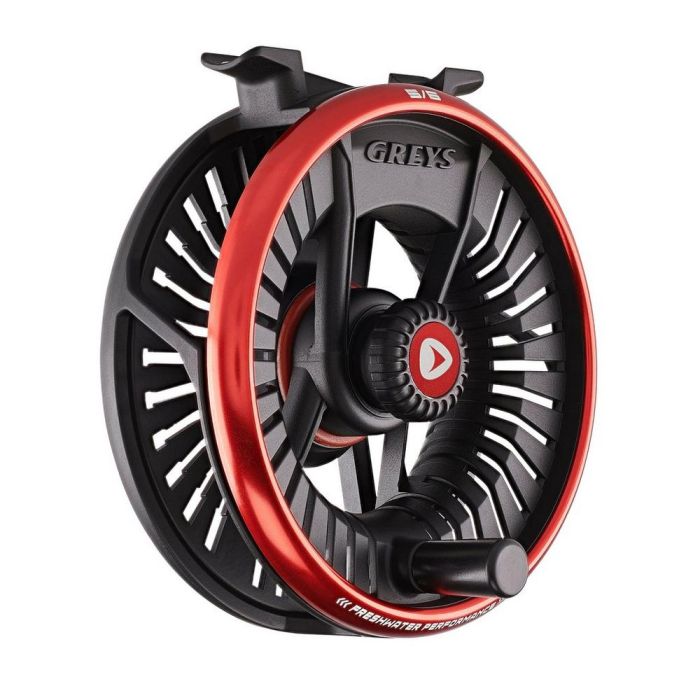
Reels seem simple compared to the spinning reels or baitcasters most people know. For smaller fish, they are basically just line storage. But the reel still needs to balance your rod, provide smooth drag when fighting fish, and hold enough line and backing for what you're chasing.
Size matters here. A 5-weight rod wants a reel sized for 4-6 weight lines. Too small means not enough capacity if a fish runs. Too big means the whole setup feels front-heavy and awkward.
Drag systems range from basic click-and-pawl designs to sophisticated disc drags. Click-and-pawl works fine for trout that don't make monster runs. Disc drags provide smoother, more adjustable pressure that becomes critical with bigger, stronger fish. For fly fishing for beginners targeting trout, either system handles the job. Planning to chase bass, steelhead, or anything in salt water? Get disc drag from the start.
What to look for in a beginner reel:
Large arbor design will retrieve line faster and reduces memory coiling
Cast or machined aluminum construction balances strength with reasonable weight
Smooth drag that doesn't stick or jump when fish pull
Rod and reel combos take the guesswork out of matching components. Good ones cost less than buying separately and guarantee everything works together.
Quality combos and individual reels that match perfectly are available in our fly reels section for easy starter setups.
Fly Line: The Most Misunderstood Critical Piece
This is where fly fishing gets weird compared to regular fishing. The line's weight is what loads the rod and carries the fly to the fish. Not the fly's weight. Not some sinker. The line itself does all the work, which means getting the right line isn't optional.
Line weight must match rod weight. A 5-weight rod needs a 5-weight line. Period. Using mismatched weights throws off the rod's flex pattern and makes casting feel broken. Manufacturers build in a slight tolerance, so a 5-weight rod might handle 4 or 6-weight lines adequately, but why make learning harder?
Weight-forward taper has become the standard design because it concentrates mass in the front section, making casting easier and more versatile. Double-taper lines work beautifully for delicate presentations but require more skill to cast effectively. Starting with weight-forward makes sense for most situations.
A floating line sits on the water's surface and handles probably 80% of fly fishing situations. Sinking lines or sink-tips help get flies deeper, but need different techniques. Beginning with a quality floating line covers most needs while fundamentals develop.
Line considerations that matter:
Bright colors help see the line while learning proper casting mechanics
Quality lines cast smoothly and last multiple seasons
Cheap lines have rough finishes that fight against good technique
Premium lines offer refinements that become relevant as skills progress
Line color sparks endless debates. Bright orange or chartreuse helps beginners see what's happening during the cast. Subtle olive or gray might spook fewer fish in gin-clear water. Honestly? Fish probably care way less than anglers think, and seeing your line while learning matters more than theoretical spookiness.
Leaders and Tippet: The Invisible Critical Link
Leaders connect fly lines to fly and need to be nearly invisible while still strong enough to handle fish. They're tapered, starting thick at the fly line connection and gradually thinning down to where the fly attaches. This taper transfers casting energy smoothly from heavy line down to the light fly.
Length varies from 7.5 to 12 feet, typically. Longer leaders work in clear, calm conditions where fish are picky. Shorter leaders handle wind better and work fine in faster water. Nine feet represents a versatile middle ground for most trout situations.
Leader strength uses X-ratings, where higher numbers mean thinner material. 5X is thinner than 4X, which is thinner than 3X. Thinner tippets are less visible but break more easily. Matching tippet to fly size matters for proper presentation.
Monofilament costs less and has stretch that cushions light tippets during fights. Fluorocarbon sinks better and is less visible underwater, but costs more with less stretch. Starting with quality mono makes economic sense while learning the ropes.
Pre-made tapered leaders simplify rigging and ensure proper taper. Carrying spare leaders and tippet spools in common sizes (4X, 5X, 6X) covers most situations beginners encounter without requiring a tackle shop in the vest.
Flies: What Fish Actually Eat
The fly selection is where beginners often get overwhelmed. Shops stock thousands of patterns in dozens of sizes, and the variety seems infinite. Good news? Most fish will eat a relatively small selection of well-chosen patterns.
Flies break into broad categories based on what they imitate. Dry flies float on the surface and copy adult insects. Nymphs sink and imitate immature aquatic bugs. Streamers look like baitfish or other prey and get stripped through the water. Each type of fish differs and covers different situations.
Building a starter fly box:
A dozen dry flies in proven patterns and varying sizes
A dozen nymphs for subsurface fishing
Half a dozen streamers for aggressive fishing or bigger fish
Focus on sizes 12-16 for versatility across conditions
Starting with variety provides options without requiring hundreds of flies immediately. A basic box for fly fishing for beginners might include twelve dry flies, twelve nymphs, and six streamers. This handles most situations while skills and knowledge develop.
Fly size matters as much as pattern. The same design in size 12 versus size 18 fish looks completely different. Smaller flies generally work in clear, calm water or with selective fish. Larger flies are easier to see and handle, work better in fast or murky water, and catch plenty of fish.
Local fly shops provide invaluable pattern recommendations. The person behind the counter knows what's been working lately and can suggest specific flies for area waters. Building that relationship pays dividends in knowledge and advice over time.
Quality varies significantly. Cheap flies sometimes fall apart after one fish. Quality flies from reputable sources maintain shape and durability through multiple catches. Starting with decent flies means less frustration with patterns that won't float or lose parts immediately.
Browse proven patterns in sizes 12-18 from our flies and terminal tackle selection.
Essential Accessories That Actually Get Used
Beyond rod, reel, line, leaders, and flies, several accessories genuinely make life easier on the water. Some things are truly necessary. Others are nice but not critical when starting.
Nippers for cutting tippet are absolutely required. Trying to bite through modern tippet materials is hard on teeth and produces ragged cuts. Simple nippers that clip to clothing cost under ten bucks and get constant use.
Forceps or hemostats remove hooks quickly and safely, especially flies lodged deep or with toothy fish. They clip to clothing for easy access and cost very little.
Other accessories worth having:
Strike indicators help detect subtle underwater takes when nymphing
Fly floatant keeps dry flies riding high on the surface
Split shot adds weight to get nymphs deeper when needed
Polarized sunglasses cut glare, protect eyes, and let you see fish
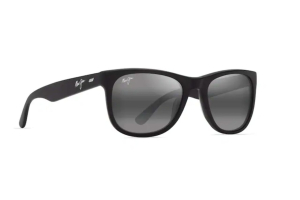
Polarized sunglasses deserve special mention. They're non-negotiable for multiple reasons. They cut surface glare so you can actually see fish and underwater structure. They protect eyes from hooks during casting mishaps. They reduce eye strain during long days outside. Quality polarized glasses represent one of the smartest investments in fly fishing success and safety.
Basic storage like a vest, chest pack, or hip pack organizes gear and keeps essentials accessible. Vests offer tons of pockets but can feel hot. Chest packs keep critical items right at hand without bulk. Hip packs work for minimalist approaches. Personal preference determines which style suits individual needs.
Explore organized storage solutions like our popular fly fishing chest to keep nippers, forceps, and essentials accessible on the water.
Frequently Asked Questions About Fly Fishing Gear for Beginners
1. How much should a beginner realistically spend on fly fishing gear?
This is one of the most searched questions because beginners don’t want to overspend or buy the wrong things. The truth is that fly fishing for beginners does not require premium level gear to start. What matters is balance and reliability. A well-matched rod, reel, and line setup from a trusted outdoor retailer is far more important than brand names or advanced features. Spending thoughtfully on core gear helps avoid replacements later and makes learning smoother from day one.
2. Is fly fishing gear different for rivers, lakes, and streams?
Yes, and this confuses many new anglers. While the core setup remains the same, water type affects how gear performs. Flowing water demands better line control and stability, while still water requires more patience and precision. Beginners often worry they need separate setups for each environment. In reality, a balanced starter setup designed for fly fishing for beginners works well across most freshwater conditions while skills are being developed.
3. Can beginners teach themselves fly fishing with the right gear?
This question comes up constantly because many people feel fly fishing looks too technical to learn alone. The right gear absolutely makes self learning possible. Equipment that is properly matched provides clearer feedback during casting and reduces common mistakes. While guidance always helps, beginners using the correct foundational gear can build strong habits, confidence, and consistency through practice and patience alone.
Final Thoughts on Essential Fly Fishing Gear
Fly fishing doesn’t require complexity. It requires understanding.
Each piece of gear plays a role:
Rod
Reel
Line
Leader
Flies
Comfort items.
When those pieces work together, learning feels natural instead of forced.
Understanding fly fishing for beginners is about building confidence through simplicity. The right gear removes barriers and allows the experience to shine and feel enjoyable.
And when the gear fades into the background, that’s when fly fishing starts to feel like what it’s meant to be. Calm. Focused. Rewarding.