



Picture this: you're two hours into what should've been a perfect camping trip, and you're already soaked through from sweat because you wore a thick hoodie. Or maybe you've woken up at some ungodly hour, teeth chattering, wishing you'd packed anything warmer than an old t-shirt. We've all been there, and honestly? Getting what to wear camping wrong can turn an adventure into something you'll want to forget.
The thing about camping is that Mother Nature doesn't send you a memo about her plans. Temperatures do this wild dance where it's 75 degrees at lunch and suddenly 40 degrees by the time you're trying to sleep. Your body's working overtime to regulate temperature, you're sweating during hikes, getting blasted by wind at elevation, and then there's unpleasant weather conditions.
But here's the good news. Once you understand how layering actually works (and I mean really get it, not just the theory), staying comfortable becomes way less mysterious. This isn't about buying the fanciest gear or spending your entire paycheck at an outdoor store. It's about knowing what does what, and why it matters.
Base Layers: The Make or Break Foundation
Let's talk about the layer touching your skin because this is where most people mess up without even realizing it. Base layers aren't really about keeping you warm (though they help). They're moisture managers, and that job matters more than you'd think.
Cotton is the enemy here. Seriously. That comfortable cotton shirt you love? It's basically a sponge that holds onto water and sucks heat straight out of your body. People joke about "cotton kills," and while it sounds extreme, getting hypothermic because your shirt won't dry isn't actually funny when it's happening.
Why base layer material matters:
Merino wool moves sweat away from skin naturally and somehow stays warm even when damp
It doesn't smell terrible after a few days
Synthetic fabrics like polyester dry faster and cost less, but hold onto odor quicker
Both options work infinitely better than cotton for camping situations
Temperature determines which weight you need. Lightweight base layers handle spring through fall pretty well. Midweight versions give you more flexibility across different seasons. Heavyweight stuff is for when it's properly cold, and you need every advantage.
Don't skip base layer bottoms. Your legs are a huge part of your body's heating and cooling system, and long underwear makes a massive difference on chilly mornings when you're stumbling around camp trying to get the fire going.
Shop high-quality merino wool and synthetic options in our dedicated base layers collection to get started right.
Middle Layers: Where the Warmth Actually Happens
This is your insulation, the puffy or fuzzy stuff that traps warm air close to your body. The beauty of middle layers? You can add them or strip them off as the day changes, which happens constantly when you're outdoors.
Fleece jackets are popular for genuinely good reasons. They're light, they squish down small in your pack, and they keep working even if they get a bit wet. You can find fleece in different thicknesses, from those thin ones that barely feel like they're there to the thick expedition types that feel like wearing a warm hug.
Down jackets pack crazy amounts of warmth into almost no space. The warmth-to-weight ratio is unbeatable. The catch? Get down wet, and it's basically useless until it dries, which takes forever. Modern treatments help water roll off better, but keeping down dry still matters a lot.
Choosing between insulation types:
Down wins for weight, packability, and warmth in dry conditions
Synthetic insulation keeps you warm when wet and dries way faster
Consider your climate - wet places often need synthetic, dry areas can use down
Many campers own both and pick based on the specific trip
Vests deserve a mention here. They keep your core warm while leaving your arms free, which feels less restrictive during activity. Some folks wear vests during the day and save full jackets for evening camp time.
The trick with middle layers involves matching what you bring to what you'll actually encounter. One lightweight fleece plus one insulated jacket gives you options. Wear them separately when it's mild, layer them together when it's freezing.
Explore our range of fleece jackets, down, and synthetic insulation for versatile mid-layer choices suited to any conditions.
Outer Layers: Your Weather Defense System
Shell layers keep wind, rain, and snow from destroying all the good work your base and middle layers are doing. But here's where it gets interesting. These need to block the weather coming in while still letting sweat vapor escape from inside. Trap moisture inside your layers, and you'll end up cold and clammy, which defeats the whole point.
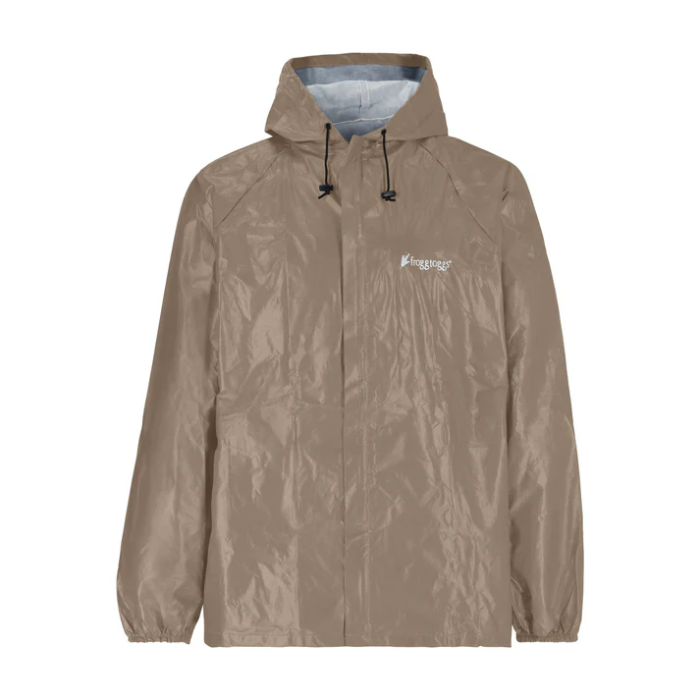
Waterproof breathable jackets using Gore-Tex or similar tech are the real deal for serious weather protection. These fabrics stop liquid water dead while letting vapor pass through. Quality varies wildly, though; cheaper versions might technically be waterproof but they'll turn into a personal sauna because they can't breathe properly.
What makes a good shell jacket:
Hood that adjusts to fit over a hat without blocking your vision
Longer back hem so your butt doesn't get soaked
Pockets you can reach while wearing a backpack
Pit zips that let you dump heat without taking the jacket off
Durability that survives brush, rocks, and general outdoor abuse
Rain pants get ignored until someone's hiking through a downpour. Full-zip versions that go over boots are clutch when the weather turns nasty mid-hike. Nobody wants to sit around in wet pants all evening because they gambled on staying dry and lost.
Soft shell jackets split the difference between weather protection and breathability. They handle light rain and wind while feeling more comfortable and stretchy than hard shells. Lots of campers wear soft shells most of the time and keep a packable rain jacket stuffed in their pack for when things get serious.
Find reliable rain jackets built for serious protection in our outerwear section.
Accessories: Don't Overlook the Extremities
Heat escapes fastest from the head, hands, and feet. A warm beanie or buff covers the head – fleece-lined for extra insulation. Neck gaiters block drafts down collars.
Gloves range from liner pairs for dexterity to insulated waterproof ones for snow or cold rain. Mittens trap more heat but limit tasks. Multiple pairs cover different needs.
Extra socks for sleeping boost comfort immensely. Camp shoes or booties let feet breathe after days in hiking boots.
Complete your kit with essential accessories from Basin Sports to cover every extremity.
Putting It All Together: Dynamic Adjustments
The real aspect of figuring out what to wear camping comes from active management. Start cool at the trailhead base and light as you go about your day to prevent overheating. Add a shell if the wind picks up. Peel mid layers during steep climbs. At camp, pile on insulation as the body cools.
Nighttime demands extra thought. Sleep clothes stay separate; a clean base layer prevents clammy feelings. Puffy over everything inside the bag adds a boost without overheating.
Weather forecasts guide initial choices, but conditions shift fast in mountains or forests. Packing versatility covers surprises.
Material Care and Longevity Tips
Proper care extends gear life.
Here are some good tips:
Wash base layers regularly to restore wicking.
Use tech washes for shells to maintain DWR coatings.
Air dry when possible.
Store uncompressed.
Investing in quality pays off over seasons. Reliable layers mean more trips, less misery.
Mastering what to wear camping through this layering approach turns potential discomfort into reliable enjoyment. The weather becomes manageable. Energy stays high. Nights turn restful. The outdoors opens up fully when clothing works with the body, not against it. Simple adjustments keep warmth, dryness, and comfort within reach, no matter what the forecast throws.
Frequently Asked Questions
How many layers should I actually bring camping?
Three base layer sets (one wearing, one clean backup, one for sleeping), two middle layers of different weights, and one good shell. This covers you for temperature swings and unexpected weather without overpacking. Weekend trips in stable weather can get away with less. Week-long trips or unpredictable conditions warrant bringing that extra fleece or backup rain gear. Your pack space and the forecast help decide where on that spectrum you land.
Can I just wear my workout clothes camping instead of buying special gear?
Workout clothes work better than cotton, but they've got limitations. Most gym clothes use synthetic fabrics that wick moisture decently, so they'll function okay as base layers for shorter trips in mild weather. The problems show up with durability (workout gear isn't built for brush and rocks), warmth (they're designed for temperature-controlled gyms), and features (no hoods, shorter hems, pockets in weird spots). If you're testing whether you like camping before investing, workout clothes beat jeans and cotton tees. But plan to upgrade if camping becomes a regular thing.
What's the biggest mistake beginners make with camping clothes?
Wearing cotton and bringing too few layers, but honestly? The bigger mistake is putting layers on too late. People wait until they're already cold or already soaked to add insulation or rain gear. Your body burns tons of energy trying to warm back up after getting chilled, and wet clothes are nearly impossible to dry while you're wearing them outdoors. Put that puffy jacket on during your break before you start shivering. Throw the rain shell on when clouds roll in, not after the downpour starts. Being slightly overdressed beats being dangerously underdressed every single time.