


If you've spent any time on the water, you've probably asked yourself, "What fishing line should I be using?"
It's one of those questions that can make or break your fishing trip, but you should know that there's no one-size-fits-all answer. The right fishing line depends on what you're after, where you're fishing, and how you like to fish!
In this guide, we'll tell you everything you need to know about fishing line types, when to use each one, and how to pick the perfect line for your next adventure.
You might also be wondering, “do fishing lures need weights?” So, we'll also cover some practical tips that'll help you avoid those frustrating line breaks when you've got a big one on the hook.
Why Your Fishing Line Choice Matters More Than You Think
Your fishing line is literally the one connection between you and the fish you’re trying to catch. At the same time, lures also matter. Adding weight to lures can improve casting distance and help you reach deeper. Fishing lure weights can be added to many types of lures, including soft plastics and hard baits.
It's what carries your lure to the right spot, handles the fight when you hook up, and hopefully brings your catch to the boat. Here's why getting it right makes such a difference:
Strength and Durability: Different lines handle different amounts of pressure. You don't want to lose the fish of a lifetime because your line snapped. Weighted fishing lures are typically used for fish that swim in deep waters.
Visibility: Some fish are line-shy and will avoid your bait if they can see your line. Other times, you actually want them to see it.
Casting Distance: The right line can help you cast farther and more accurately, especially when you're trying to reach that perfect spot.
Sensitivity: A good line lets you feel what's happening down there - whether it's a fish nibbling or your lure hitting structure.
The Three Main Types of Fishing Line
There are three main types of fishing lines, and each has its place in your tackle box.
1. Monofilament Line
Monofilament is probably what most people think of when they picture a fishing line. It's been around forever, and there's a good reason for that - it works.
What makes mono special: It stretches, which can be both good and bad. The stretch helps absorb the shock when a fish makes a sudden run, but it also means you might not feel subtle bites as well.
Best for: Topwater fishing, live bait fishing, and beginners. It's forgiving and easy to work with.
Downsides: It has more stretch than other lines, and it can get pretty visible underwater. It also doesn't last as long as some other options.
2. Fluorocarbon Line
Fluorocarbon is the invisible man of fishing lines. It's nearly invisible underwater, which makes it great when fish are being picky.
What sets fluoro apart: It sinks faster than mono and has less stretch. It's also much less visible to fish, which can make all the difference on tough days.
Best for: Clear water fishing, finesse techniques, and when fish are being line-shy. It's also great as a leader material.
The catch: It's more expensive than mono and can be a bit stiffer to work with. It also doesn't stretch as much, so you need to be more careful with your drag settings.
3. Braided Line
Braid is the strong, silent type. It's incredibly thin for its strength, and it has virtually no stretch.
What makes braid different: You can get much higher line strength in a thinner diameter. A 30-pound braid might be as thin as 8-pound mono.
Best for: Heavy cover fishing, deep water fishing, and when you need maximum sensitivity. It's also great for techniques where you need to feel everything. These work well for weighted fishing lures. You don’t have to think twice before adding weight to lures.
Things to watch out for: It's very visible, so you often need a fluorocarbon leader. It can also dig into itself on the spool if you're not careful.
Matching Your Line to Your Fishing Style
Here's where it gets practical. Different fishing situations call for different lines, and knowing when to use what can really up your game.
Bass Fishing
For bass, you've got options depending on what you're doing. If you're throwing topwater lures early in the morning, monofilament works great because it floats and the stretch helps keep treble hooks from pulling out. When you're flipping in heavy cover, a braid line gives you the strength to pull fish out of thick stuff.
Trout Fishing
Trout can be finicky, especially in clear mountain streams. Fluorocarbon is often your best bet here because it's nearly invisible and sinks naturally. Light mono can work too, especially if you're using dry flies or small lures.
Saltwater Fishing
The salt is tough on everything, including your line. Fluorocarbon holds up better to saltwater than mono, and braid is great when you need the strength for bigger fish. Just remember that saltwater fish often have sharp teeth, so a good leader is essential.
Ice Fishing
When you're fishing through the ice, you want a line that stays flexible in cold weather. Some monos get stiff and brittle in the cold, while others are specifically designed for low temperatures.
Line Weight and Test Strength Explained
Line test refers to how much weight the line can handle before it breaks, but it's not quite that simple. This is where a lot of anglers get confused. Here’s a comprehensive brief to understand better:
Light Line (2-8 lb test): Great for panfish, trout, and finesse techniques. It's less visible and lets small lures work naturally.
Medium Line (10-15 lb test): This is your all-around choice for bass, walleye, and most freshwater fishing. It's strong enough for most situations but not so heavy that it spooks fish.
Heavy Line (17+ lb test): When you're fishing around heavy cover or going after big fish, you need the extra strength. This is also good for saltwater fishing where you might hook something unexpected.
Common Line Problems and How to Avoid Them
We've all been there - you're fighting a fish and your line breaks, or you go to cast and your line is all twisted up. However, these are some problems that you can easily overcome through simple steps.
Here’s how:
Line Twist
This happens when your line gets wound up, usually from using spinning reels with certain lures. You can prevent it by using a swivel or by occasionally letting your line out behind a moving boat to let it untwist.
Line Memory
Some lines, especially cheap mono, want to stay coiled like they were on the spool. This makes casting difficult and can affect your lure's action. Better quality lines have less memory, and you can also stretch a new line before spooling it.
Abrasion Damage
Rocks, timber, and fish teeth can all nick your line. Check your line regularly, especially the first few feet, and retie if you see any damage.
When to Replace Your Fishing Line
This is something a lot of anglers tend to put off, but an old line can cost you fish. Here are some signs telling you it's time for a fresh line:
Visible damage: Nicks, cuts, or fraying mean it's time to change.
Age: Even if it looks fine, mono and fluoro break down over time. If you can't remember when you put it on, it's probably time.
Lost fish: If you're losing fish on the hookset or during the fight, your line might be weakened and to blame.
Casting problems: If your line isn't casting smoothly or is forming loops, it might be time for a change.
Building Your Line Arsenal
If you’re wondering “do fishing lures need weights?,” you don't need every type of line in every weight, but having a few different options will cover most situations. Here's what makes sense for most anglers:
A good all-around mono in a 12-pound test will handle most freshwater situations. Add some fluorocarbon in 8 and 15-pound tests for when fish are picky or you need a leader. If you fish heavy cover or deep water, a 30-pound braid with a fluorocarbon leader is a great combo.
Note: Here, “test” means the breaking strength of the line. For instance, a 12-pound test means that the line might break if you catch something that’s over 12 pounds.
Final Thoughts on Fishing Line Selection
Choosing the right fishing line isn't rocket science, but it does make all the difference. Think about what you're fishing for, where you're fishing, and what techniques you're using. Don't be afraid to experiment with different lines to see what works best for your style of fishing.
Remember, the best line is the one you have confidence in. If you're constantly worrying about your line breaking, you're not going to fish as aggressively as you should. Invest in a quality fishing line, replace it regularly, and you'll land more fish.
The next time you're rigging up, take a minute to think about your line choice. It might be just the difference between a story about the one that got away and a photo of your personal best.
Recommended Products from Basin Sports
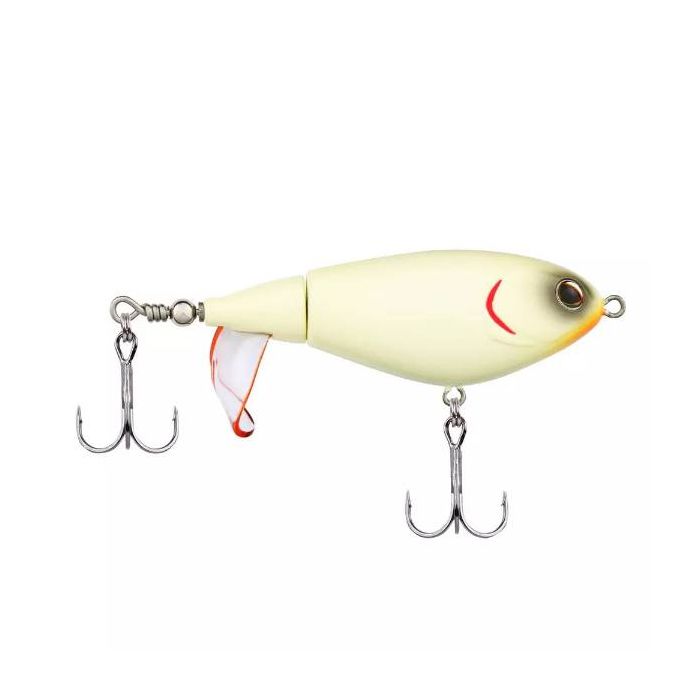
For anglers looking to improve their fishing experience, Basin Sports offers a wide range of high-quality fishing gear, including weighted lures and tackle.
Product recommendations from Basin Sports:
Ice Fishing Lures