



What Items Do I Need for Fishing? The Complete Angler’s Checklist
Fishing is more than just another pastime, it’s a tradition that connects you with nature and rewards you with both relaxation and excitement through adventure. Whether you’re planning a quiet afternoon by a lake, a deep-sea adventure, or a competitive sport-fishing trip, having the right fishing gear can make all the difference.
This comprehensive guide helps ensure that you’re properly prepared with all the essential tools, equipment, and accessories for a successful fishing experience, regardless of method or location. Whether you’re looking for fishing gear for beginners or advanced, keep reading to learn more.
Essential Fishing Gear Every Angler Must Have
Fishing Rod and Reel
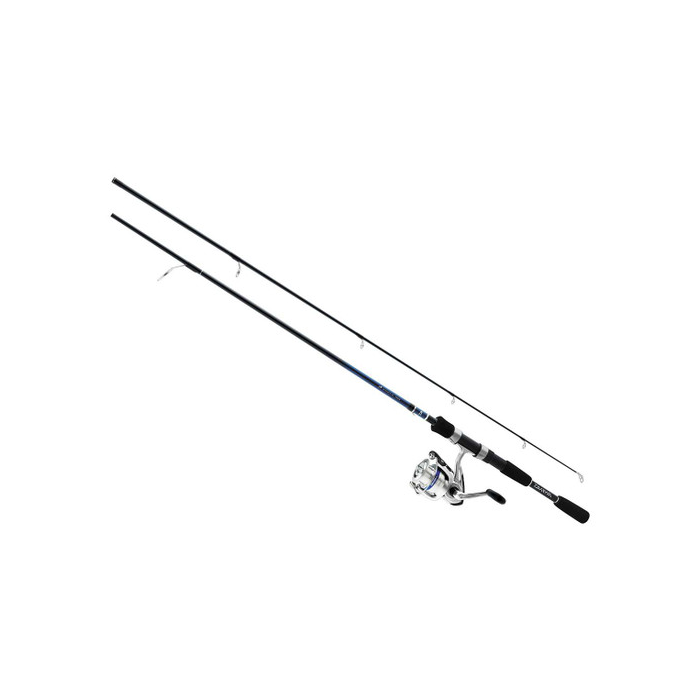
A fishing rod and reel form the heart of your fishing setup. Depending on the type of fishing, freshwater, saltwater, fly, ice, or surf, these tools vary in size, flexibility, and material.
- Spinning Rods: Ideal as fishing equipment for beginners and others, and versatile across conditions.
- Casting Rods: Suited for accuracy and power, preferred by seasoned anglers.
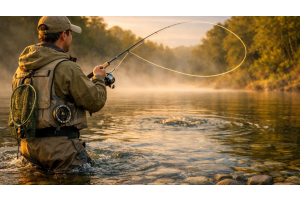
- Fly Rods: Specifically crafted for fly fishing with lightweight lines.
- Saltwater Reels: Built with corrosion-resistant material for harsh conditions.
Choosing a balanced rod and reel combination based on fish type (like bass, trout, catfish, or tuna) ensures smooth casting and retrieval.
Fishing Line
The fishing line acts as the connection between us and the fish. Its strength, diameter, and stretch vary.
- Monofilament: Stretchy, affordable, and beginner-friendly.
- Fluorocarbon: Less visible underwater, good for clear water fishing.
- Braided Line: Superior strength and sensitivity, ideal for heavy cover.
Pro tip: Carry extra line for replacements, especially when fishing over rocks or weeds.
Hooks and Terminal Tackle
Hooks are critical, and they come in different sizes and shapes, such as J-hooks, circle hooks, and treble hooks. Each serves a purpose.
Other terminal tackle includes:
- Sinkers/Weights: To stabilize bait and control depth.
- Swivels: Prevent twisting of line.
- Floats/Bobbers: Keep bait off the bottom and signal bites.
- Snap Links/Clips: For quick lure changes.
Bait and Lures
Effective bait or lures attract the fish. Natural bait like worms, shrimp, or minnows is widely used, while artificial lures mimic prey.
Common lures include:
- Jigs: Great for vertical fishing.
- Spinnerbaits: Flashy with spinning blades, ideal for bass.
- Crankbaits: Designed to mimic fish or crawfish.
- Soft Plastics: Lifelike and versatile.
One should always match bait or lure type with the targeted species and water conditions.
Safety and Utility Equipment
Fishing License
Before fishing in public waters, we need a valid fishing license. It’s a requirement in most regions and helps support conservation.
Tackle Box
A well-organized tackle box keeps all small gear easily accessible. Compartments for hooks, lures, pliers, line, and sinkers help streamline the experience and avoid frustration.
Fishing Pliers or Multi-Tool
Pliers are essential for removing hooks, cutting lines, and crimping weights. A good stainless steel or aluminum tool resists rust and lasts longer.
First Aid Kit
Accidents can happen. A compact first aid kit with bandages, antiseptic wipes, tweezers, and sunburn relief is always essential.
Fishing Net
Using a landing net not only helps bring fish safely to shore or boat but also reduces stress and injury to the fish if practicing catch-and-release.
Cooler or Stringer
Keep your catch fresh with a cooler and ice or a fish stringer. A cooler also keeps drinks and snacks chilled for long days outdoors.
Comfort and Clothing Essentials
Waterproof Clothing
Weather can shift fast. Wearing waterproof or water-resistant clothing and accessories, including jackets, boots, and hats provide comfort and protection.
Sunscreen and Sunglasses
Sun protection is key. Polarized sunglasses also help reduce glare on the water, letting us spot fish beneath the surface.
Fishing Hat and Gloves
A wide-brimmed hat and gloves protect from sunburn, wind, or sharp fins.
Waders or Fishing Boots
When fishing in cold rivers or near marshy edges, waders keep us dry. They come as hip waders, chest waders, or boot-foot models.
Modern Add-Ons: Tech and Conservation Essentials
Fish Finder or Sonar Device
A fish finder helps identify underwater structures, depth, and schools of fish. It’s a game changer in both fresh and saltwater environments.
GPS and Mapping Tools
Knowing your coordinates and log spots where fish bite helps build a pattern and return to productive areas with ease.
Line Clippers and Knot Tools
Sharpening knots and trimming line with dedicated tools offers precision and saves time.
Conservation-Friendly Gear
- Barbless Hooks
- Dehookers
- Rubber Landing Nets
- Measuring Tape
Specialized Items for Different Types of Fishing
Ice Fishing Essentials
- Ice auger
- Ice shelter or tent
- Tip-ups
- Thermal boots and gloves
Saltwater Fishing Extras
- Heavy-duty rods and reels
- Corrosion-proof gear
- Buckets for baitfish
- Gimbal belts for big-game fishing
Fly Fishing Tools
- Fly box with artificial flies
- Fly line, leaders, tippets
- Forceps and line floatant
Quick Checklist Before You Go Fishing
- Rod & reel combo
- Backup line and leader
- Assorted hooks and lures
- Live bait (if permitted)
- Fishing license
- Multi-tool or pliers
- Tackle box
- Cooler or stringer
- Sun protection gear
- Net and gloves
- First-aid supplies
Final Thoughts
Fishing is both a skill and an art. Being well-prepared not only increases your chances of a successful catch but also allows us to fully enjoy the tranquility of nature.
Whether we are on a riverbank, pier, or deep-sea charter, having the right fishing gear, including fishing gear for beginners, ensures every cast is made with confidence.