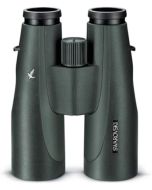





So it finally happened to me. I’ve heard the stories for a while about getting into the range bag or dragging out the hiking gear in the springtime and finding your binoculars not exactly as you remember putting them away. The problems range from not quite being as clear as you remember, to having double vision, all the way to now having a pair of monoculars, one for each eye.
My binoculars weren’t broken in half. It wasn’t that bad. But the left side didn’t look in the same direction as the right side anymore. Somehow, at some point they had hit something hard and were out of alignment. It would have been as simple as sending them to the manufacturer for warranty service work, if that company had given a warranty worth the paper it was written on. That is a whole different conversation on warranties though, but it was okay. The binos had been a gift and it wasn’t a dire emergency, just inconvenient. I didn’t have a hunt coming up or a camping trip next week that I’d need binos for. I had some time. So I went into the store to have a look. See what I did there? Talking about binos, I said I went to have a look. Anyway, in the binocular case I saw quite a variety. Several different brand names and a lot of different models and magnifications.
As I looked things over it occurred to me that all the variety and prices and whatnot could be a bit intimidating. So that is why I decided to write this bit up, to maybe simplify looking for a new pair of binos. One thing I have learned about this stuff is that when you look at a pair of binos that cost between a hundred and three hundred dollars, regardless of the name on them, they are pretty well all about the same level of clarity and quality. In the next price point up it holds true as well. Not to say that there aren't differences between manufacturers, because there are. But it is fair to compare binoculars in the same price range.
Usually the first question is what the numbers mean. What is a 10x42 versus a 12x50? Simple, the first number tells you how big the binos magnify what you are looking at. A 10x42 makes things look ten times closer than they really are, likewise twelve power binos make things look twelve times bigger. The other number is the objective lens size. The objective lens in the one on the front you look out of. That pair of 10x42s we’ve been talking about, have a 42 millimeter objective lens. The 12x50s have a bigger lens. The bigger the lens, the more light the binos let in and the wider the field of view. A bigger lens should let in more light to make what you’re looking at appear a bit brighter.
The second big question usually has to do with the wide price range on the binoculars. The spread is fairly huge. For instance, the 10x42 size binoculars range in price from about eighty dollars to over three thousand dollars. How in the world can there be a difference of thousands of dollars in ten power binoculars with 42 millimeter lenses? There’s the rub. The quality of the housing that holds the lenses, the strength of the materials used, the glass used in the lenses, all these things figure in on the cost of the binoculars. The one thing that drives the price point the most though is the quality of the glass. Not necessarily the quality of silica or sand that gets melted down to make the glass though. It has more to do with how the lenses are ground to their proper profile and polished, as well as the type and number of lens coatings applied.
The best way to understand the difference in the glass is to pick up the binoculars and take them outside and look. Take a couple different pairs in a variety of price ranges and give them each a fair look. A lot of times people will start looking around at whatever happens to be in their line of sight and will switch back and forth between two very different pairs of binos and not see much of a difference. My favorite test is to find a spot between a hundred and three hundred yards away. I find something that I know I can find again with the other pair of binos. Then I will adjust the focus for my eyes and study the detail I can see in the place I’m looking. If it’s a tree, I try to see into the depths and look for the texture of the bark, the color differences in the shade, things like that. Then, I switch binos, find the same spot and adjust the focus and fit of the new pair of binos to do the same study and focus on the same things I just looked at with the other pair.
It is a simple test, and can be very educational about the differences in binoculars without having to read up on everyone’s different lens coatings and whatnot. It is as simple and easy as just taking a look.
Ben Thompson
Basin Sports