




Seasons of Utah
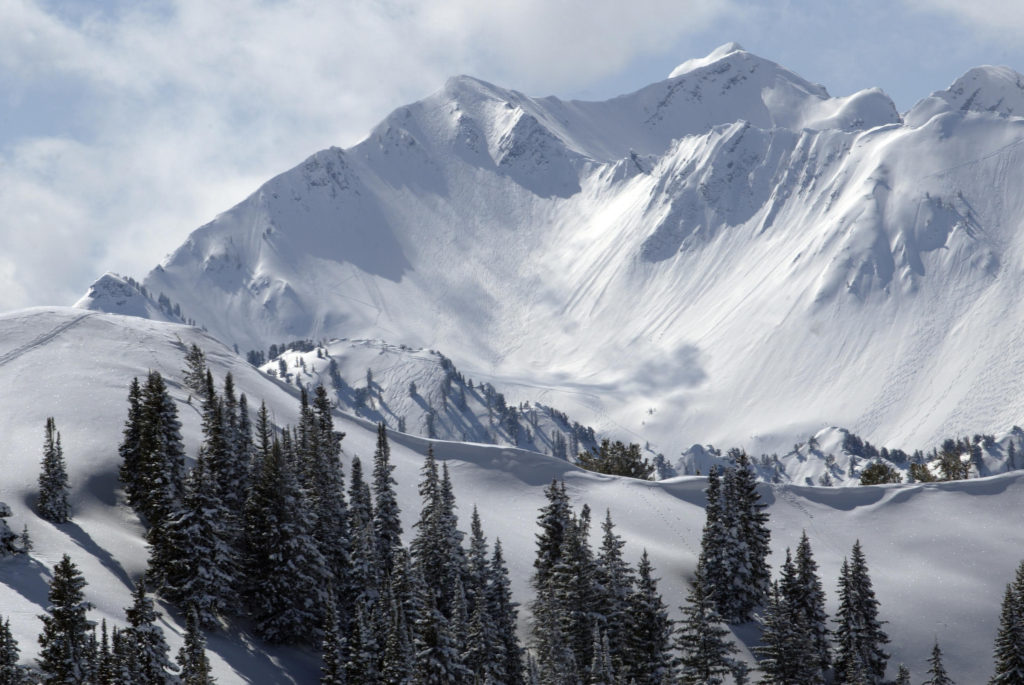
Winter lasts from December through February with long periods of snowfall, freezing temperatures and short daylight hours. December and January are the coldest months of the year. The shortest day is December 21, (winter solstice) with just nine hours of daylight. It is fairly common to have a white Christmas in Utah. February sometimes brings a mix of winter and spring weather with sneak peeks of warmer temperatures and more sunshine. Winter time activities in Utah include Skiing, Snowboarding, Hunting, Snow Shoeing, Sledding, Ice Skating Etc.…
March begins with cold weather at the start of the spring season in Utah. Early spring is prone to cold fronts, and the arid land has sizable daily temperature differences. A moderate amount of rain falls in March, and the rest takes the form of snow. In April, temperatures rise with the advance of the spring season in Utah. Measurable snowfall recedes and most ski resorts end operations mid-April. Spring blooms, rain showers and increasing sunshine dominate the last two weeks of April. Typically, May is a very pleasant month across the state. A good time to get a headstart on your favorite summer activities, although higher elevations may still have snow.
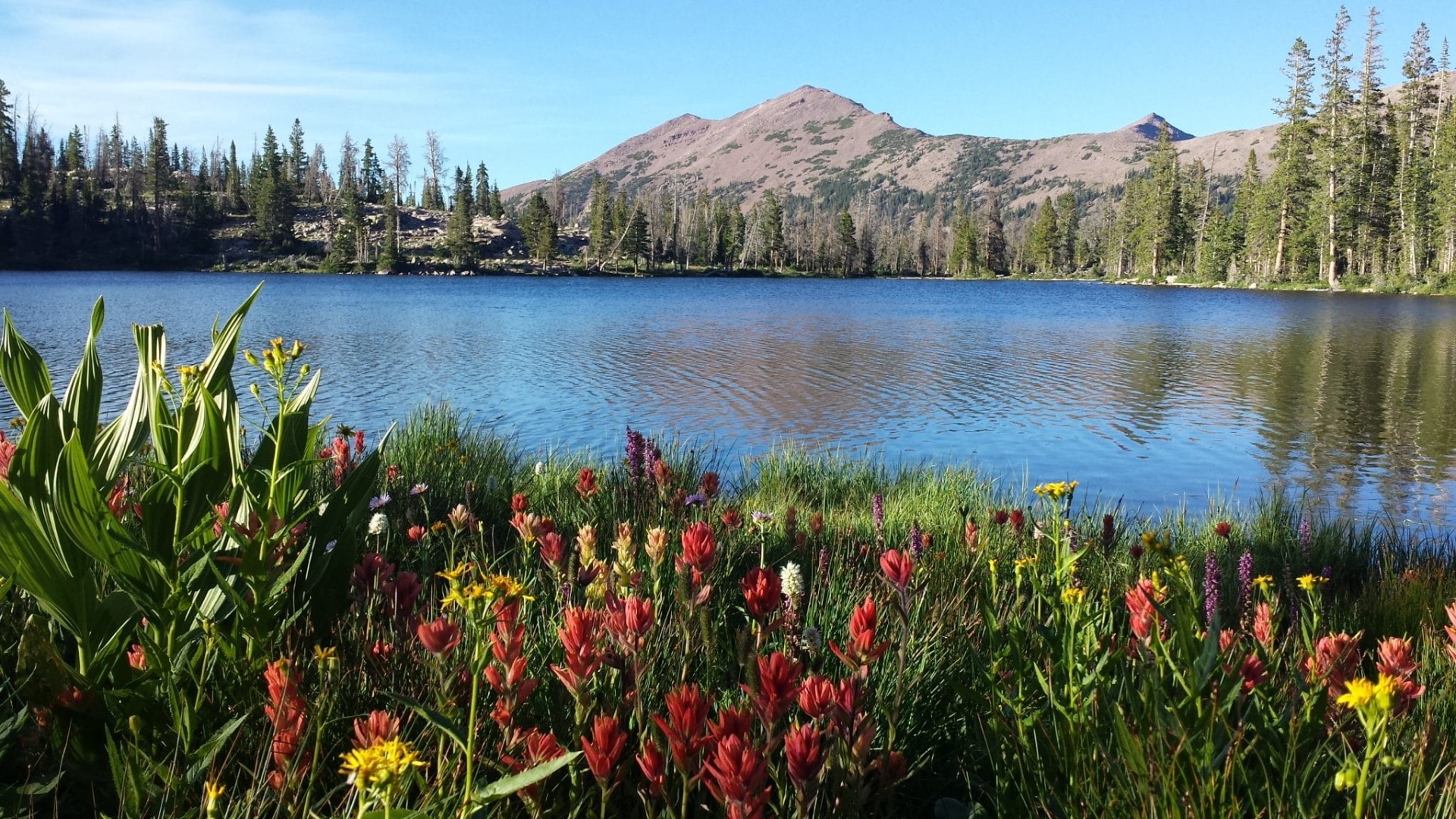
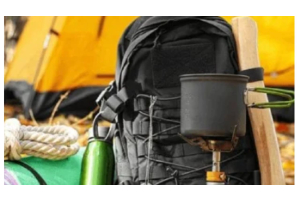
In June, summer kicks off with enjoyable temperatures, abundant sunshine, and occasional rainfall. June has the longest days of the year, peaking at 15 hours of daylight on the summer solstice. July and August are the warmest months of the year with the same range of average high temperatures. These are the driest months with the least amount of rainfall. Summer Utah activities to enjoy include Boating, Fishing, Camping, Hiking, Mountain Biking, River Rafting, Zip Lines.
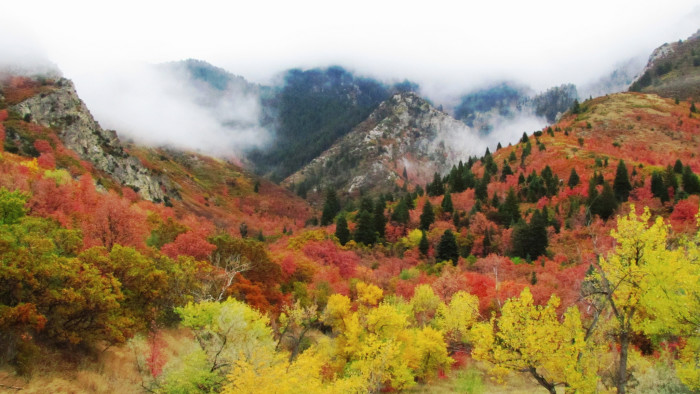
The beginning of September can still bring some hot days, but this is usually when temperatures start to cool. There are approximately six days of rain and daylight hours dwindle. Leaves start to change color in September and really hit their stride by October. October, temperatures continue to cool, and snow begins to fall, though it usually does not accumulate. It is usually chilly for trick or treating at the end of October. By November, temperatures have gone from warm to cold and rain falls for nine days on average during the month. Snow begins to accumulate in the mountains and ski resorts tend to open toward the end of the month.