




Fishing is a great way to enjoy nature while relaxing. If you want to catch fish, the first thing to know is how to tie your fishing lure correctly.
Learning to tie a fishing lure the right way ensures that your tackle works properly, making fishing more fun and successful. This guide is curated to show you the steps to tie a fishing lure and help you avoid common mistakes.
In addition, we’ll highlight some great lures you can use and why they work well in different fishing conditions. Let’s get started!
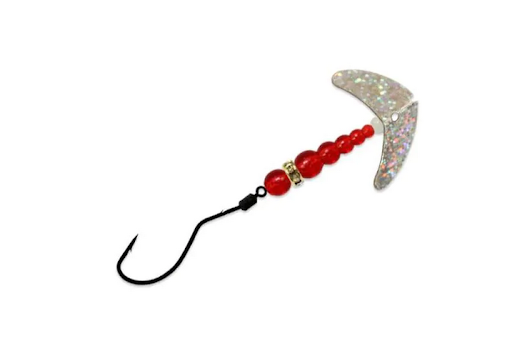
Mack's Lures Spindrift Trout 2 Spinner Lure 63404
Why Tying the Right Knot Matters
Tying the right knot for your fishing lure is key. If the knot is tied wrong, the lure can come off during casting or reeling. Also, it might not move in the water as it should.
Knowing how to tie a fishing lure properly ensures that the tied knot stays tight and the lure performs well, increasing chances of fishing success.
Step-by-Step Guide to Tying a Fishing Lure
There are a few common fishing lure knots used for tying fishing lures. Let’s go through how to tie a fishing lure with the most popular and effective knots.
Step 1: Pick the Right Knot
There are several fishing lure knots you can use for tying a lure. Some of the best knots include:
Improved Clinch Knot: This is a good knot for small to medium lures and is also easy to tie.
Loop Knot: This loop knot is great for lures that need extra movement in the water, like soft plastic or topwater lures.
Palomar Knot: A strong knot that is often used for heavier lures or in the case of tough fishing conditions.
Step 2: Thread the Line Through the Lure’s Eye
Once you’ve chosen your knot, thread the fishing line through the eye of the lure. Leave about 6 to 8 inches of line so that you have enough length to tie the knot.
Step 3: Tie the Knot
After you follow the above-mentioned steps, it’s time to tie the knot. Here's how you can tie the most common knots:
Improved Clinch Knot:
Wrap the loose end of the line about 5-7 times around the standing line.
Thread the end of the line through the small loop near the lure's eye.
Then, thread the end through the large loop and pull tightly to secure it.
Loop Knot:
Tie an overhand knot, leaving a small loop.
Pass the lure through the loop.
Tie another overhand knot to secure the loop.
Adjust the loop size and pull tight.
Palomar Knot:
Double the fishing line and pass it through the lure's eye.
Tie an overhand knot with both lines, leaving a loop.
Pass the loop over the lure and pull tight.
Step 4: Test the Knot
Before casting, pull on the fishing line gently to test the knot. Make sure the knot is tight and holds securely. If it’s loose, re-tie the knot to ensure the lure stays in place and does not slip off. This applies to all types of fishing lure knots.
Step 5: Trim the Excess Line
After tying the knot, trim the excess fishing line. Make sure to leave a small tag end to prevent the knot from slipping.
Choosing the Right Lures for Your Fishing Trip
Knowing how to tie a fishing lure is only one part of the equation. You also need the right lure for the water conditions. Here are some popular lures available at Basin Sports that are great for various types of fishing:
Rapala Jointed 2-3/4 Inch Fishing Lure: This lure is great for bass fishing, this lure’s jointed design creates lifelike movement in the water.
6th Sense Vega Frog Lure: This frog-shaped lure is ideal for topwater fishing, mimicking the movement of frogs on the surface.
Rapala Original Floating Lure: This classic, reliable lure works well in both fresh and saltwater.
Make sure to check out Basin Sports for more lures that are designed for all types of fishing conditions.
Best Knots for Different Types of Lures
Not all fishing lures are the same, and each one performs best with a specific knot. For example:
Soft Plastic Lures: The loop knot is great for these lures because it allows them to move more naturally in the water.
Crankbaits and Spinnerbaits: The Palomar knot works best for these lures, providing a strong and secure hold.
Topwater Lures: The improved clinch knot ensures the lure stays on the line while moving across the water’s surface.
If you want to get the best performance of your lure in the water, choose the right knot for your lure.
Common Mistakes When Tying a Fishing Lure
Even experienced anglers make mistakes when tying fishing lures. Here are some common errors to avoid:
Not Testing the Knot: Always test your knot before casting. A loose knot can easily cause the lure to come off.
Using the Wrong Knot for the Lure: Make sure you’re using the right knot for the type of lure you have.
Tying the Knot Too Loosely: Always pull the knot tightly to ensure it stays secure during the cast and when reeling in.
Avoiding these mistakes will help you fish more effectively and enjoy a better experience.
Conclusion
Knowing how to tie a fishing lure is an essential skill for any angler, just as much as a lure is to fishing gear. With the right knot and proper technique, you can ensure that your lures stay attached and perform well in the water. Basin Sports offers a wide variety of lures that will help make your fishing trips more successful.
Check out these recommended products from Basin Sports:
Rapala Jointed 2-3/4 Inch Fishing Lure
Whether you’re looking for outdoor activity gear or lures in particular, Basin Sports has it all. But the right one for your needs and enjoy successful fishing like never before.