




How to Select the Best Running Shoes: A Complete Guide
For both new and experienced runners, finding the ideal pair of running shoes is essential. When it comes to long-distance running or casual jogging, the correct shoes can improve performance, reduce the risk of injury, and offer comfort. But it can be difficult to choose the perfect pair because there are so many options on the market. We will go over the most important things to think about when selecting running shoes in this in-depth guide, so you can make an informed choice that meets your particular requirements and preferences.
Identifying Your Foot Type:
Knowing your foot type is crucial before making any decisions about running shoes. There are three basic types of feet: underpronated (supinated), overpronated, and neutral. You can choose the right kind of support and cushioning for your feet by identifying your foot type.
1. Neutral: When you stand, your foot retains its natural arch if you have a neutral foot type. Neutral runners often distribute their weight evenly and have a balanced stride.
2. Overpronation: When a person runs with their foot rolling inward excessively, they are overpronating. Overpronation is common in people with flat feet or low arches, which can result in problems like shin splints and knee pain.
3. Underpronation (Supination): When a person runs, they experience supination, which is the reverse of overpronation, in which their foot rolls outward. People with high arches are more likely to underpronate, which can lead to inadequate shock absorption and even injury.
Selecting the Ideal Footwear Features:
After determining your type of foot, let us examine the key components of running shoes to consider:
1. Cushioning: Your preferred running style and level of cushioning will determine which running shoes are best for you. For sufficient shock absorption, neutral runners may choose moderate cushioning; overpronators may need more cushioning to reduce pressure on the arches.
2. Stability and Support: To avoid excessive inward rolling, stability shoes with reinforced arch support and motion control features are essential for overpronators. Conversely, neutral cushioning with increased flexibility to support high arches may be advantageous for underpronators.
3. Fit and Comfort: Getting the right fit is essential when selecting running shoes. Make sure there is enough space for your toes to avoid blisters and discomfort, and choose a heel fit that fits snugly to reduce slipping when running.
4. Breathability: To encourage airflow and keep your feet cool and dry, choose shoes composed of breathable materials. This will lower the possibility of blisters and discomfort.
5. Durability: If you run frequently, pay special attention to the shoe's materials' longevity. Durable outsoles and robust construction can extend the life of your running shoes.
6. Flexibility: Normal foot movement and stride require flexibility. Select footwear with adaptable outsoles and midsoles for seamless transitions and a snappy feel.
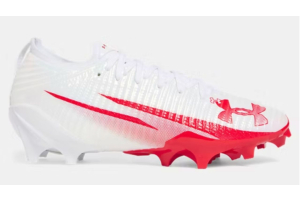
7. Terrain-Specific Features: Choose shoes with specific features, like aggressive traction for off-road trails or responsive cushioning for pavement runs, if you intend to run on a variety of terrains, including roads and trails.
Conclusion:
Selecting the appropriate running shoes is an important choice that can have a big impact on both your running performance and general foot health. You can find the ideal pair of shoes to support your running goals and aspirations by knowing your foot type, choosing the right features, and giving comfort and fit top priority. To make sure that your running shoes continue to be your dependable running companions on your fitness journey, do not forget to seek advice from knowledgeable experts, try on a variety of options, and prioritize proper maintenance.