


6 Tips to Thriving in the Outdoors Solo
Selecting the right life jacket is essential for anyone participating in water activities, be it kayaking, paddleboarding, jet skiing, or boating.
A life jacket for water activities not only ensures safety, it also enhances comfort, mobility, and overall experience on the water.
Read on for a comprehensive guide on how to choose the right life jackets for water sports to ensure your safety needs.
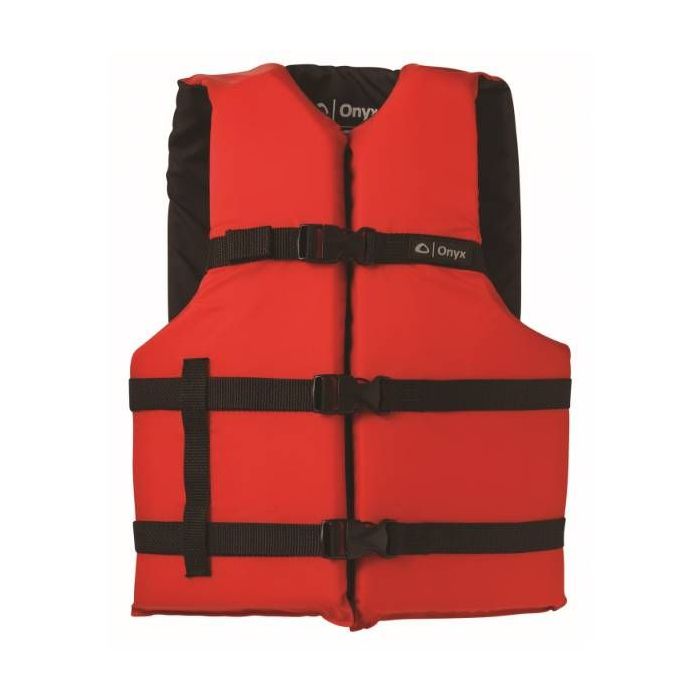
Adult Universal Life Jacket, Basin Sports
Understanding the Types of Life Jackets
Before making a purchase, it's vital to understand the different types of life jackets that you can buy. Each type is designed for specific scenarios, water conditions, and user preferences.
Type I: Offshore Life Jackets
- Best for: Open, rough, or remote waters where rescue may be delayed.
- Features: High buoyancy, turns most unconscious wearers face-up.
- Drawback: Bulky and less comfortable for active water sports.
Type II: Near-Shore Buoyant Vests
Best for: Calm, inland waters where quick rescue is a high possibility.- Features: Less bulky than Type I, these life jackets for water sports can turn some unconscious users face-up.
- Common Use: Recreational boating, fishing near shore.
Type III: Flotation Aids
- Best for: Watersports such as kayaking, canoeing, paddleboarding, and sailing.
- Features: Comfortable, flexible, not designed to turn an unconscious person.
- Pros: Wide variety of styles and fits.
Type IV: Throwable Devices
- Best for: Emergency use; not worn but thrown to someone in distress.
- Examples: Cushions, rings, and horseshoe buoys.
Type V: Special-Use Devices
- Best for: Specific activities like windsurfing, kayaking, or water skiing.
- Requirements: Must be used per label instructions to meet legal standards.
Key Factors When Choosing a Life Jacket
Choosing a life jacket is more than just checking the label. You need to look into certain key factors to ensure that you’re buying the right life jacket that serves its purpose.
Important factors to consider:
1. Buoyancy Rating
- Adults need a life jacket with at least 15.5 lbs. of buoyancy.
- Children's jackets vary by weight class.
Inflatable PFDs generally offer more buoyancy (at least 22.5 lbs) but require activation.
2. Proper Fit and Sizing
A life jacket must fit snugly without restricting movement for optimal performance.
- Adults: Try the vest on, fasten all closures, and lift the shoulders. If it rides up over the chin or face, it’s too big.
- Children: Use weight and chest size, not age. Ensure the vest includes a crotch strap and head support for small kids.
3. USCG Approval
Always verify that the life jacket is the United States Coast Guard (USCG) or U.S. Coast Guard approved. This ensures it meets federal safety standards.
4. Mobility and Activity Level
- Active sports: Choose flexible, low-profile Type III or Type V life jackets for water sports.
- Fishing or sailing: Look for models with pockets, mesh panels, and ventilation.
- Boating or cruising: Consider comfort and the ability to sit for long durations.
Best Life Jackets by Water Activity
Kayaking and Canoeing
- Opt for Type III with large armholes for paddle movement.
- Look for mesh lower backs that work with kayak seats.
- Features like reflective strips, whistle tabs, and zippered pockets enhance safety.
Paddleboarding (SUP)
- Lightweight inflatable life belts or vests are ideal.
- Ensure it doesn't obstruct paddle movement or hip rotation.
- Consider auto/manual inflation options for ease of use.
Jet Skiing and Personal Watercraft (PWC)
- Use Type III or Type V with high-impact ratings.
- Bright colors improve visibility in busy areas.
- Look for secure buckles and tight fit to prevent the jacket from slipping.
Sailing
- Choose a Type III life jacket for water activities with multiple adjustments for a custom fit.
- Harness-compatible PFDs are ideal for offshore sailing.
- Durable fabric like 400D or 600D nylon resists wear from rigging and saltwater.
Fishing
- Type III or Type V with pocket storage, tool tabs, and hydration compatibility.
- Anglers often prefer vests with open sides and breathable mesh.
Inflatable vs. Foam Life Jackets
Foam Life Jackets
- Ready to use and require no maintenance.
- Offer consistent buoyancy.
- More bulky, especially for prolonged wear.
Inflatable Life Jackets
- These are compact, lightweight, and comfortable life jackets for water sports.
- Provide higher buoyancy when inflated.
- Require regular checks, rearming, and may not work for weak swimmers.
Choosing for Children and Pets
Kids' Life Jackets
- Must be USCG-approved and labeled for child's weight.
- Choose models with a grab handle, head support, and crotch strap.
Opting for bright colors helps with increased visibility.
Dog Life Jackets
- Select based on breed size and swimming ability.
- Key features should include a strong lift handle and secure belly straps. A reflective trim and generally bright colors help in high visibility.
- Material and Construction Quality
Look for jackets made from:
- Nylon or polyester for durability
- Neoprene for comfort and stretch
- PE foam or PVC foam for buoyancy
Also check for minor but equally important details like reinforced stitching and durable zippers. UV-resistant materials offer sun protection.
Visibility and Safety Features
When on open or busy water:
- Choose life jackets in bright colors (orange, yellow, red, etc.)
- Reflective strips increase visibility during low light (especially helpful for children’s life jackets)
- Attach whistles or strobes to your vest for emergencie
Maintenance Tips for Long-Term Use
- To maximize the lifespan of your life jacket:
- Rinse with fresh water after every use
- Dry completely after rinsing and before storing to prevent mildew
- Inspect for rips, faded fabric, broken straps, or compressed foam after each use
- Store in a cool, dry place, and always out of direct sunlight
When to Replace Your Life Jacket
- The fabric shows heavy wear or fading
- The foam is compressed or brittle
- Straps or buckles are damaged
- It no longer fits you snugly or comfortably
Final Thoughts
A life jacket is your most essential safety gear on water. Selecting the right one ensures not only compliance with legal regulations but also your safety, comfort and mobility.
Investing in a high-quality, activity-specific life jacket enhances both safety and enjoyment. Whether you’re paddling across a tranquil lake, riding waves on a jet ski, or taking your child out for their first boating adventure, consider body size, buoyancy needs, and material preference when making a choice.
Choose Basin Sports to invest in the best life jackets and vests for water activities that allow you optimal performance while being a reliable security measure. Available for men, women, kids (including infants), and more.