




6 Tips to Thriving in the Outdoors Solo
Solo adventures in the wild are a dream for many. It is a transformative experience, and one can learn so many new things. Whether it is hiking through rugged wilderness or camping in a secluded location, the opportunities for personal growth are endless. We will look at the necessities in this blog post so you can enjoy a successful solo outdoor adventure.
1. Choosing the Correct Place:
Selecting the right location is very important. Finding the right environment which makes you feel comfortable is necessary. It could be forests, mountains, or rolling plains. Research the area thoroughly, paying attention to factors like wildlife, weather, and terrain. Make sure you are aware of the laws and customs of the area you intend to visit, and let someone know about your travel itinerary, including when you expect to return.
2. Navigation and Safety:
Venturing alone can be difficult if you need the right tools for navigation and safety. Carry a map, compass, and GPS location device to make navigation easier. A satellite communicator device can be valuable by ensuring that they can call for help in case of emergencies, even in remote areas. Additionally, carry a well-stocked first aid kit and know how to use it.
3. Camping Equipment and Shelter:
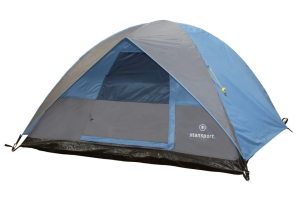
Having the right gear for shelter and sleeping is crucial for comfort and safety. Go for a lightweight and durable tent that is easy to set up. Sleeping gear, including a sleeping bag and pad, should provide insulation and comfort. Wear clothing that is best for the weather to avoid being caught off guard.
4. Food and Hydration:
It is essential for your comfort and safety that you stay properly hydrated and well-fed. Make sure you always have clean water on hand by carrying a water purification system, like a portable filter or purification tablets. Include foods high in energy, such as nuts, energy bars, and dehydrated meals in your bag. Remember to bring along a small yet powerful camp stove to prepare your food.
5. Packing the Right Clothing:
Pack clothing based on the weather and temperature of the day you are planning on staying outdoors. Layering the clothes is a great way to adjust to the temperature without packing heavy items. Don't forget to pack a waterproof outer layer to protect from unannounced showers. A wide-brimmed hat, sturdy, cozy shoes, and premium socks are necessities for a safe and comfortable trip.
6. Security Equipment:
Having the necessary safety equipment on hand is crucial. For better visibility at night, a headlamp or flashlight is essential. A multi-tool or knife can be used for a variety of tasks, such as meal preparation and minor repairs. Adding a fire-starting kit to your arsenal, complete with waterproof matches or a lighter, is highly recommended.
To sum up, solitary forays into the vast outdoors present an exceptional chance for introspection and individual development. To guarantee your enjoyment and safety, though, you must be well-prepared. Having the appropriate equipment, which is sold at stores like Sportsman's Warehouse, can significantly alter your experience. You can go on a memorable and rewarding solo adventure by carefully selecting your destination, packing, and abiding by safety and environmental regulations.